231-941-0215 sale@namkeenmachine.com 2707 Aero Park Drive Traverse City, MI
Eng
  • Eng
  • Deu
  • Fra

Top 10 Oil Vacuum Pump Manufacturers for Global Buyers

Choosing an oil vacuum pump is not just a matter of comparing prices or ultimate-pressure figures. Buyers must consider gas load, duty cycle, oil management, service access, and the process environment. A pump that performs well in a laboratory may struggle beside a production line running long shifts. Small details matter: oil mist at the exhaust, a hard-to-reach drain, or a replacement filter with a long lead time.

John F. O’Hanlon, author of A User’s Guide to Vacuum Technology, offers a useful selection principle. His published guidance can be paraphrased as: “Match the pump to the process, not just the target pressure.” This is a paraphrase, not a verbatim quotation. It captures why specifications should be checked against actual operating conditions, rather than read in isolation. Buyers should also verify manufacturer claims through technical documentation, service coverage, and clear warranty terms.

This guide compares ten manufacturers for global buyers, including established suppliers and companies with focused product ranges. It considers performance, reliability, support, and practical ownership needs. No shortlist fits every application. Availability and service quality can vary by region, and published data may not reveal every limitation. That deserves a second look. Use the comparisons as a starting point, then confirm requirements with the manufacturer before choosing an oil vacuum pump.
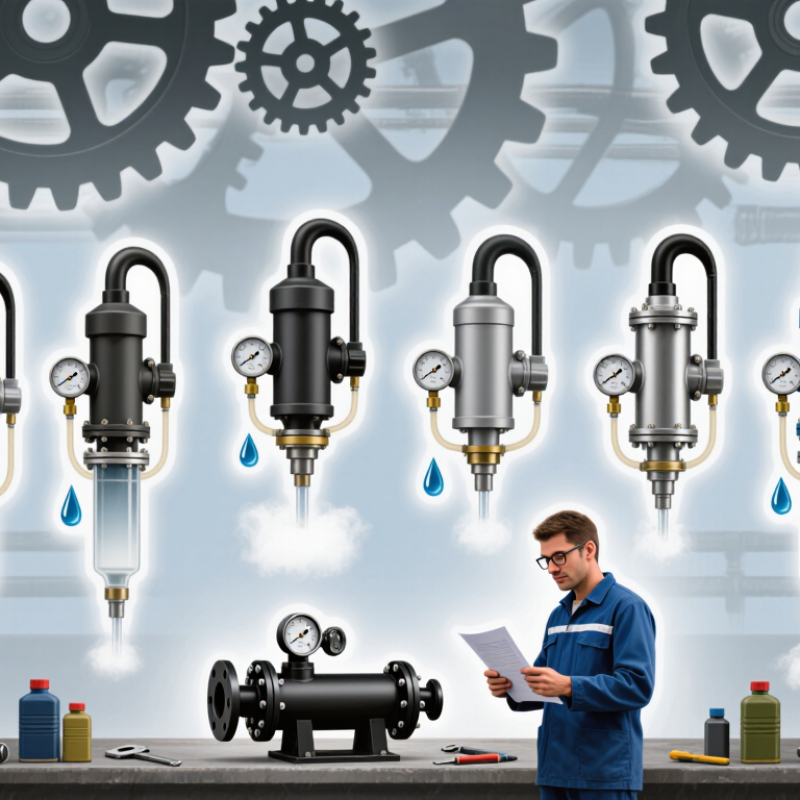
Top 10 Oil Vacuum Pump Manufacturers for Global Buyers

Oil Vacuum Pumps: Operating Principles and Main Types

Oil vacuum pumps lower gas pressure by trapping molecules and moving them toward an exhaust. In an oil-sealed rotary-vane design, a rotor turns off-center inside a cylinder. Sliding vanes form chambers that expand at the inlet, capture gas, then shrink and discharge it. Oil seals small clearances, lubricates moving parts, and carries away heat. The oil also creates a risk: mist or vapor can travel back toward the process unless filtration and operating conditions are suitable. Easy to miss.

Common types serve different duties. Rotary-vane pumps are widely used for rough and medium vacuum. Oil-sealed screw pumps move gas through meshing rotors and can handle sustained industrial workloads. Diffusion pumps use heated oil vapor jets to push gas molecules toward a backing pump, supporting high-vacuum applications. They need careful cooling and often a trap to limit oil migration. ISO 21360-1:2020 provides standardized methods for measuring vacuum-pump performance, making comparable test data more useful than isolated catalogue claims.

Selection affects energy, maintenance, and product quality. The IEA’s Energy Efficiency 2023 report estimates that industry accounts for about 37% of global energy use, underscoring why efficient equipment matters. Yet “efficient” depends on inlet pressure, gas load, duty cycle, and leakage. A pump that performs well on a clean test bench may struggle with humid vapor or frequent starts. Buyers should compare measured pumping speed and ultimate pressure under relevant conditions, then check oil-change intervals and exhaust filtration.

How to Evaluate Manufacturers for Global Procurement

Selecting an oil vacuum pump manufacturer for global procurement requires more than comparing catalog prices. Start with the process conditions: target pressure, pumping speed, gas composition, daily run time, and ambient temperature. Ask for performance curves at the operating point, not just maximum figures on a product sheet. Request a written test method, including measurement instruments and acceptance limits. Small details matter. A seal material that suits clean air may not tolerate solvent vapor or frequent temperature changes. Check oil carryover controls, exhaust filtration options, and maintenance intervals against your actual duty cycle.

Assess the supplier’s production controls and support capacity, too. Request traceable inspection records, spare-parts lists, packaging specifications, and realistic lead times for your destination. Confirm that manuals, wiring diagrams, and troubleshooting guidance are available in a language your technicians use. Where possible, review a sample unit or arrange a witnessed factory test. A video call can help, but it cannot replace consistent test records. Still, numbers can mislead. Ask how warranty claims are handled across time zones, and who pays freight for approved repairs. Compare total ownership costs, including oil, filters, energy use, downtime, and service access, rather than choosing the lowest quote. One uncomfortable point: procurement teams often overlook response time until a pump stops. Record unanswered questions and treat them as procurement risks, not minor paperwork.

Profiles of Ten Leading Oil Vacuum Pump Manufacturers

Profiles of Ten Leading Oil Vacuum Pump Manufacturers

A useful comparison of ten oil vacuum pump manufacturers should look beyond catalog claims. Each profile should identify pump type, rated pumping speed, ultimate pressure, and intended duty cycle. These figures help buyers match equipment to processes such as laboratory drying, packaging, or industrial degassing. Check whether performance data specify test conditions; pressure readings can vary with temperature, gas load, and oil condition. Some details are easy to overlook.

Profiles should also describe service access, replacement-part availability, oil-mist control, and technical support. A pump that runs quietly in a showroom may behave differently beside a production line. Ask about noise levels, operating temperature, and recommended maintenance intervals. Manufacturer documentation and confirmed application references provide stronger evidence than broad claims. Still, public data may be incomplete, so verify critical specifications directly.

Tips: Compare like-for-like test conditions. Request a maintenance schedule and clarify which parts need routine replacement. For continuous operation, discuss heat management and filtration before choosing a model. A lower purchase price can look attractive, but service delays may cost more over time.

Oil Vacuum Pumps: Pressure Regimes for Global Buyers

The chart shows standard vacuum-pressure regimes, not performance ratings for specific manufacturers. Oil-sealed rotary-vane pumps are generally used in rough and medium vacuum; achievable pressure depends on the pump design and system conditions.

Pressure ranges follow conventional vacuum-regime boundaries. Lower pressure indicates a stronger vacuum; actual pump limits vary by model and application.

Comparing Product Range, Support, and Global Reach

For global buyers, comparing ten oil vacuum pump manufacturers means looking beyond catalogue size. Grand View Research’s Vacuum Pump Market report estimated the global market at US$6.21 billion in 2023, with 6.6% annual growth forecast through 2030. IEA reporting puts industry’s share of global energy use at about 37%, making pump efficiency and service life practical purchasing concerns. A broad range matters: buyers may need pumps for rough vacuum, different flow rates, or continuous operation. Check oil capacity, inlet size, noise ratings, and whether filters and seal kits are stocked near the installation site. Small details count.

Support can separate similar specifications. Ask how quickly a supplier can diagnose a pressure drop, ship replacement parts, or arrange commissioning across time zones. ISO 21360-1 provides methods for measuring vacuum-pump performance, helping buyers compare published figures on a consistent basis. That comparison is imperfect. Test conditions may not mirror a dusty workshop or a hot production floor, so request application-specific references and clear warranty terms. Global reach should mean accessible technicians and compatible electrical configurations, not merely a distributor pin on a map. A low purchase price can still cost more when routine maintenance requires weeks of waiting.

Top 10 Oil Vacuum Pump Manufacturers for Global Buyers - Comparing Product Range, Support, and Global Reach

Comparison note: Company names and brands are intentionally omitted. These are anonymized, illustrative manufacturer profiles based on established oil-sealed vacuum-pump product categories—not a verified ranking or company-specific claims. Product availability, service coverage, and specifications vary; confirm details directly with suppliers.

Profile Typical product range Common applications Support to check Global reach considerations Buyer comparison point
01 — Rotary-vane specialist Oil-sealed, single- and two-stage rotary-vane pumps; compact and general-purpose models. Laboratory equipment, analytical instruments, packaging, and general industrial vacuum. Oil and filter guidance, maintenance instructions, spare parts, and repair service. Check local distributor coverage, parts availability, and service languages in the destination country. Compare ultimate pressure, pumping speed, noise, oil-mist control, and duty-cycle suitability.
02 — Heavy-duty rotary-vane supplier Oil-sealed rotary-vane pumps in higher-capacity or continuous-duty configurations. Industrial machinery, vacuum furnaces, drying, and centralized vacuum installations. Commissioning assistance, overhaul options, recommended service intervals, and technical documentation. Confirm whether field service is available locally or provided through regional partners. Assess continuous-operation ratings, cooling requirements, inlet protection, and total cost of ownership.
03 — Rotary-piston specialist Oil-sealed rotary-piston pumps, typically intended for demanding industrial vacuum duties. Metallurgy, vacuum treatment, large chambers, and process systems requiring robust pumping. Ask about specialist installation, overhaul capability, and availability of wear and sealing parts. Large or specialist units may need regional engineering support and planned parts stocking. Check process-gas compatibility, operating conditions, maintenance access, and installed footprint.
04 — Oil-sealed screw-pump supplier Oil-sealed screw vacuum pumps and, depending on the supplier, related process-vacuum equipment. Industrial processes where a screw-pump design and continuous operation are suitable. Verify service training, lubricant recommendations, diagnostic support, and overhaul arrangements. Confirm that authorized service and model-specific parts are available in the operating region. Compare process suitability, tolerance for condensable vapors, energy use, and maintenance needs.
05 — Booster-system supplier Roots-type vacuum boosters supplied with compatible backing pumps, often as matched systems. Systems needing increased pumping capacity over a specified pressure range, including industrial vacuum lines. Look for system-sizing help, controls guidance, and support for the complete booster/backing-pump set. Check whether local support covers the full package rather than only individual components. Request performance data for the complete system and confirm operating limits and control requirements.
06 — Diffusion-pump supplier Oil diffusion pumps, commonly used with backing pumps, traps, baffles, and associated accessories. High-vacuum equipment and processes designed for diffusion-pump technology. Confirm guidance on pump-fluid selection, startup and shutdown procedures, and contamination control. Check access to suitable fluids, replacement components, and technicians familiar with the installation. Evaluate the complete high-vacuum system, including backing, cooling, trapping, and process cleanliness.
07 — Vacuum-package builder Packaged systems combining oil-sealed pumps with receivers, valves, instruments, and controls. Production lines and facilities that need an integrated, ready-to-install vacuum package. Ask who is responsible for system design, electrical integration, commissioning, and warranty service. Determine whether package engineering and after-sales support are available in the installation country. Compare the full package scope, documentation, interfaces, safety features, and acceptance testing.
08 — Process-vacuum system integrator Engineered vacuum systems that may combine oil-sealed pumps, boosters, piping, and process controls. Customized industrial processes with defined vacuum, throughput, or operating requirements. Review application engineering, site surveys, commissioning, and ongoing service-contract options. Check local project execution capability and the availability of remote or on-site technical support. Compare the documented process design, system guarantees, maintainability, and lifecycle support.
09 — Compact OEM-pump supplier Small oil-sealed pumps and compact assemblies intended for equipment manufacturers and integration. Instruments, medical or laboratory equipment, and other machinery requiring an embedded vacuum source. Check integration documentation, repeat-order continuity, and engineering support for OEM applications. Confirm export availability, lead times, and consistent parts supply across production locations. Compare dimensions, electrical requirements, operating noise, vibration, and integration support.
10 — Broad-line vacuum supplier A mixed portfolio that may include rotary-vane pumps, accessories, spares, and selected vacuum systems. Buyers sourcing pumps and related components for varied laboratory and industrial applications. Assess technical-selection help, manuals, troubleshooting, warranty terms, and spare-parts ordering. Validate distributor authorization, regional inventory, service response arrangements, and local compliance. Compare the specific model and service package; a broad catalogue alone does not establish application fit.

Key Factors for Selecting a Manufacturer and Model

Selecting an oil vacuum pump manufacturer begins with the process, not the catalog’s lowest pressure figure. Define operating pressure, gas load, daily run time, and whether vapors or dust may enter the pump. The U.S. Department of Energy’s 2006 Improving Pumping System Performance sourcebook estimates that pumping systems use nearly 20% of global electricity demand, and 25–50% of energy in some industrial operations. These figures cover pumping systems broadly, not vacuum pumps alone. Still, they show why motor efficiency, heat rejection, and duty-cycle suitability deserve close review.

Compare pumping speed at the pressure your process actually needs, not only at the manufacturer’s best-case point. Ask for test conditions and performance curves, and check oil-change intervals, mist control, noise, service access, and spare-parts lead times. ISO 21360-1:2020 provides methods for measuring vacuum-pump performance, helping buyers compare reported figures on a consistent basis. Small differences matter. A low ultimate-pressure number can mislead if the pump struggles with vapor loads or frequent starts. The comparison is not perfect: published data may not reflect your site’s temperature, piping, or maintenance habits. Request a trial or application review when the process is variable.