Top 10 Liquid Vacuum Pump Manufacturers Worldwide
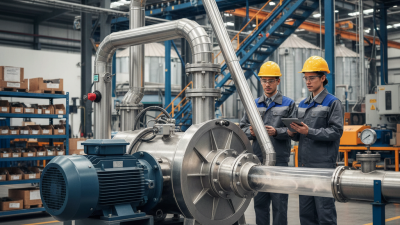
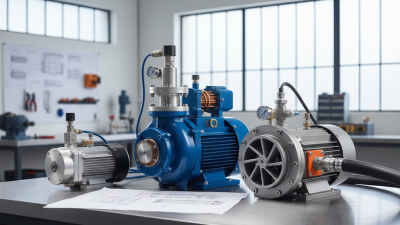
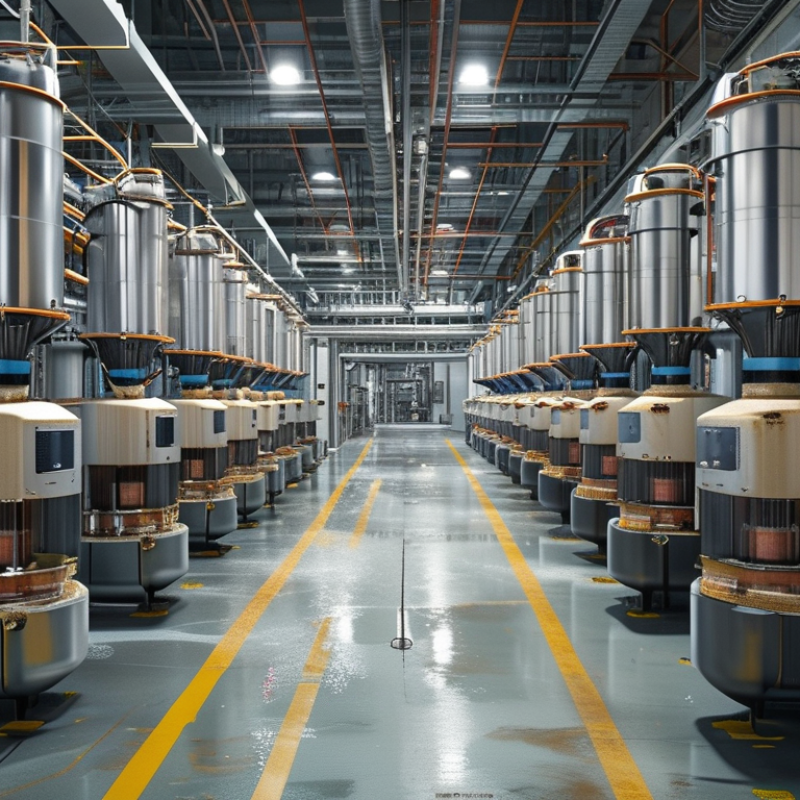
Liquid vacuum pumps support demanding processes where gases, vapors, and moisture must be removed continuously. They appear in chemical reactors, food-processing lines, power stations, paper mills, and wastewater equipment. In many plants, a liquid ring pump runs beside a stainless-steel separator, quietly handling wet gas that could damage a dry pump.
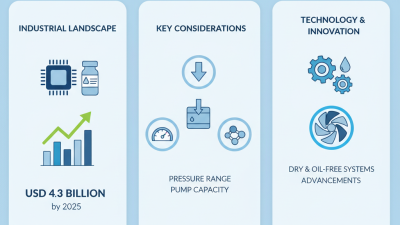
Industry data shows why this equipment remains relevant. Grand View Research’s 2024 Vacuum Pumps Market report identifies chemical processing, pharmaceuticals, and semiconductor manufacturing as major demand sectors. MarketsandMarkets also expects the global vacuum pump market to expand through the decade, driven by industrial automation and cleaner production requirements. These reports describe the wider vacuum sector, not every liquid vacuum pump application. That distinction matters.
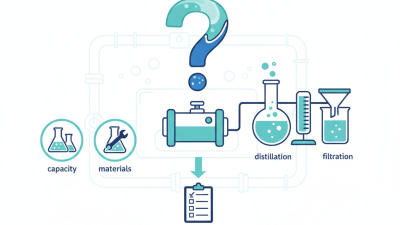
This guide examines the Top 10 Liquid Vacuum Pump Manufacturers Worldwide through practical buying criteria. These include pumping capacity, ultimate vacuum, liquid compatibility, energy use, corrosion resistance, service coverage, and lifecycle cost. Manufacturer reputation alone is not enough. A pump that performs well with cool water may struggle with solvent vapor, abrasive particles, or high-temperature condensate.
Real operating details often decide the result. A plant manager may compare a 2,000 m³/h unit, seal-water temperature, and separator footprint before reviewing the brochure. Small differences become expensive over years. The ranking also considers published technical documentation, engineering experience, global support, and evidence from established industrial applications. Some market figures vary between research firms. That uncertainty deserves attention, rather than a polished but careless conclusion.
Liquid Vacuum Pumps: Definition, Principles, and Main Applications
Top 10 Liquid Vacuum Pump Manufacturers Worldwide
Liquid Vacuum Pumps: Definition, Principles, and Main Applications
Liquid vacuum pumps remove gas from a sealed space by using a circulating liquid. In liquid ring designs, an impeller spins inside a partially filled casing. Centrifugal force forms a liquid ring around the chamber. Gas enters between the impeller blades, becomes compressed, and leaves through the discharge port. The liquid also cools the pump and helps manage wet gases, vapors, and small droplets.
These pumps support filtration, vacuum drying, distillation, evaporation, and vapor recovery. Chemical processing often uses them when gas streams contain moisture or condensable substances. Food and pharmaceutical facilities may value their cleanable design and stable operation. However, vacuum depth depends on liquid temperature. Warmer seal liquid usually reduces performance. Material compatibility also matters, especially with corrosive process fluids. Real installations are less tidy than product brochures suggest.
Tips: Check the required vacuum level, gas load, liquid temperature, and contamination risk before selecting equipment. Review test data, maintenance records, and service support. A pump that looks efficient on paper may consume more water or energy in daily operation. I would also question unusually broad performance claims. Small differences in piping, seals, and cooling conditions can change results. The best choice comes from measured operating data, not only a catalog rating.
How to Evaluate Liquid Vacuum Pump Manufacturers Worldwide
How to Evaluate Liquid Vacuum Pump Manufacturers Worldwide
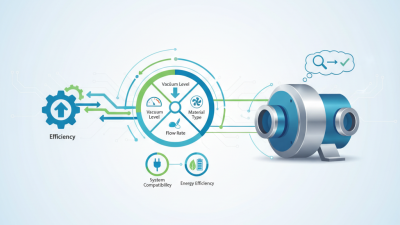
Choosing a liquid vacuum pump manufacturer requires more than comparing catalog prices. Start with verified performance at your actual operating conditions. Check vacuum level, pumping speed, seal-liquid temperature, corrosion resistance, and energy use. Grand View Research’s 2024 Vacuum Pumps Market report estimates the broader market at approximately US$2.3 billion in 2023. However, this figure covers several pump technologies, not liquid systems alone. That distinction matters.
Request factory test records, material certificates, noise data, and efficiency curves. The test medium should resemble your process liquid. A pump tested with clean water may perform differently with solvent, brine, or suspended solids. Look for quality systems aligned with ISO 9001 and environmental controls aligned with ISO 14001. MarketsandMarkets’ 2024 analysis also identifies energy efficiency and process reliability as major purchasing factors. Still, a polished datasheet can mislead.
Tips: Ask for three references using similar liquids and duty cycles. Confirm spare-part lead times, technician response, and warranty limits in writing. Inspect the impeller, separator, and seal arrangement before approval. Do not judge efficiency alone; poor cavitation control can erase savings. A small trial is often wiser than a large promise. Manufacturers should explain test assumptions clearly, including inlet pressure, liquid temperature, and motor frequency. If they cannot, keep evaluating.
Leading Global Manufacturers and Their Product Strengths
Top 10 Liquid Vacuum Pump Manufacturers Worldwide
The leading global manufacturers serve chemical, food, pharmaceutical, semiconductor, and wastewater applications. Their strongest products usually include liquid ring, rotary vane, diaphragm, and dry screw pumps. Liquid ring models handle wet gases reliably, even when process moisture enters the system. Oil-sealed pumps often deliver deeper vacuum levels, while dry designs reduce contamination risks. Some manufacturers also provide corrosion-resistant materials, variable-speed drives, and custom sealing options.
Performance data matters more than a polished catalog. Check ultimate vacuum, air displacement, water temperature limits, noise levels, and continuous-duty ratings. Strong manufacturers publish test methods and provide documented factory inspection records. Their technical teams should explain installation, maintenance intervals, and compatibility with process fluids. No ranking is perfect. A pump that excels in a laboratory may struggle beside a hot, dusty production line.
Tips: Compare the pump’s performance at your actual operating pressure. Request references from similar industries. Inspect service coverage, spare-part availability, and response times before purchasing. Leave room for changing production conditions. A slightly oversized pump may improve reliability, but excessive capacity can increase energy costs. Pilot testing is wise when vapor loads or chemical exposure remain uncertain.
Technology, Performance, and Industry Comparison
Top 10 Liquid Vacuum Pump Manufacturers Worldwide
The top ten manufacturers compete through technology, performance, and application-specific design. Their liquid ring pumps commonly handle humid gases, vapors, and process contaminants. Water temperature strongly affects vacuum depth. Warmer water usually reduces performance. Small details matter.
A practical comparison should examine ultimate pressure, pumping speed, energy use, noise, and maintenance access. Stainless steel construction supports corrosive environments, while cast materials may reduce purchase costs. Variable-speed drives can lower electricity consumption during partial-load operation. Seal design also affects reliability. A poorly selected seal can create frequent leaks and costly downtime.
Field experience often reveals more than a catalog rating. Engineers should compare test conditions, including inlet pressure, liquid temperature, gas composition, and operating hours. A pump reaching 33 mbar in a laboratory may perform differently beside a hot process line. That difference matters. Service networks, spare-part availability, and commissioning support also separate leading manufacturers from average suppliers. However, any global top-ten list has limits because regional data, custom systems, and changing production standards are difficult to measure consistently. I would reassess rankings after long-term field testing, not only after technical demonstrations. Performance is useful. Repeatability is better.