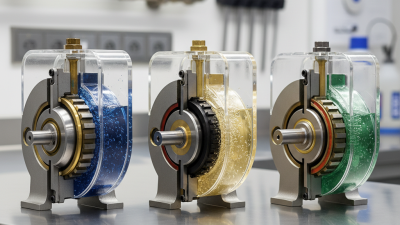
Industrial machines rarely get ideal operating conditions. A packaging line may run for hours beside warm motors, while a press faces changing loads and frequent starts. In these settings, reliable hydraulic flow matters as much as peak pressure. A vane pump is one option because its rotating vanes move fluid through a compact housing with relatively steady delivery.
As the rotor turns, vanes slide outward and form changing chambers that carry oil from the inlet to the outlet. This design can support smooth operation and practical installation in many industrial systems. Small details matter. Clearances, oil condition, operating speed, and pressure all affect performance and service life. A vane pump is not automatically the right choice for every machine.
Choosing one means comparing its strengths with the system’s actual demands. This article will consider flow consistency, noise, efficiency, installation needs, and maintenance requirements. It will also explain where operating limits deserve attention. For example, contaminated oil can accelerate wear, while unsuitable viscosity may affect startup or lubrication. These are not minor footnotes; they can change the value of the whole setup. A pump may look suitable on a specification sheet and still disappoint if the application has been assessed poorly. The best decision comes from matching the pump to real working conditions, then checking those assumptions against manufacturer data and service experience.
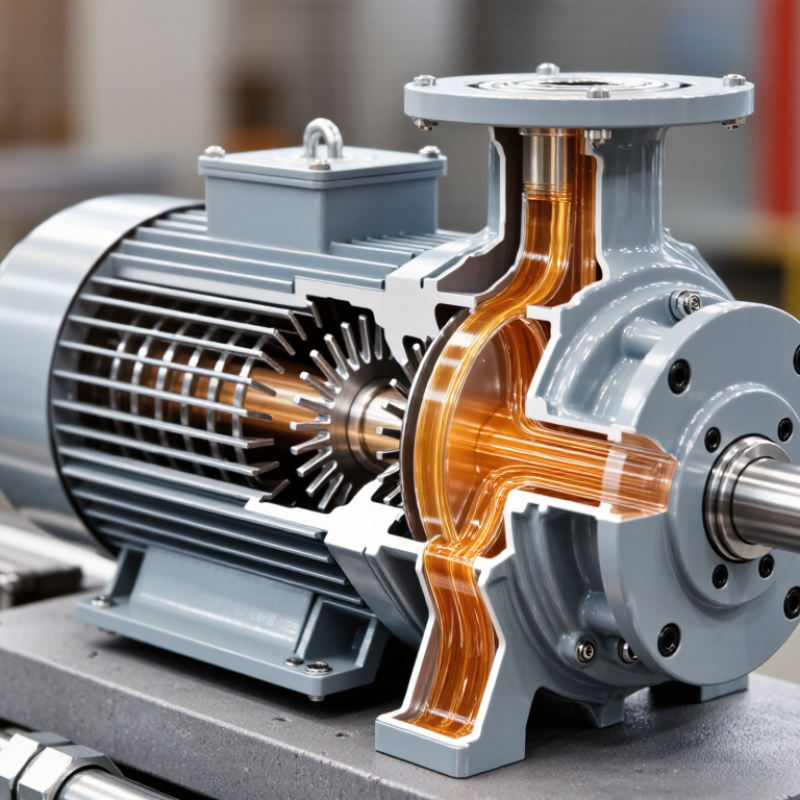
A vane pump moves fluid by changing the volume of sealed chambers. An offset rotor turns inside a cam ring, while sliding vanes follow the ring’s inner surface. As chambers expand at the inlet, pressure falls and fluid enters. As they contract toward the outlet, fluid is displaced into the system. The pump produces flow; downstream resistance determines operating pressure. That distinction matters.
Vane pumps can provide relatively steady flow in hydraulic circuits and industrial lubrication systems. The U.S. Department of Energy’s Improving Pumping System Performance sourcebook reports that pumping systems can use 25–50% of the electricity in some industrial facilities. This figure covers pumping systems broadly, not vane pumps specifically. Still, it shows why correct sizing and operating conditions deserve attention. Sliding contact also means wear is real, especially when fluid cleanliness or viscosity is poorly controlled.
Tip: Check the fluid specification, inlet conditions, and vane wear during routine maintenance. A small scratch on a vane or ring can reduce performance. It is easy to overlook until flow becomes uneven.
Inside a vane pump, a slotted rotor turns within a cam ring. Sliding vanes sit in the rotor slots and follow the ring’s inner surface. As the rotor spins, the spaces between neighboring vanes expand near the inlet. Fluid enters these growing chambers. On the outlet side, the chambers shrink and push fluid toward the discharge port. The cycle is compact and continuous.
Small details matter. The housing supports the rotating assembly, while bearings help maintain alignment under load. A shaft transfers power from the drive, and seals limit leakage at the shaft and casing joints.
Close clearances help the pump maintain pressure, but they also make fluid condition important. Abrasive particles can wear vane tips and the cam surface. Very cold or thick fluid may also affect startup and flow. In practical installations, check the specified fluid viscosity, operating temperature, and inlet conditions rather than assuming one setup suits every duty. Vane contact depends partly on lubrication and fluid film. That relationship deserves attention during maintenance. Even a well-made design can perform poorly if clearances, seals, or fluid selection are overlooked.
A vane pump can provide a steady, low-pulsation flow for many industrial circuits. Inside the housing, a rotor turns while sliding vanes follow the cam ring. This creates changing chambers that draw in and discharge fluid. The result is generally smooth operation, useful for machine tools, hydraulic power units, and process equipment where flow stability matters.
Quiet running helps. In a workshop, that can make it easier to hear a bearing change or a loose coupling. Vane pumps can also deliver consistent flow across a practical operating range, though actual output depends on speed, pressure, fluid, and pump design. They are not automatically the best choice. A system requiring very high pressure, or handling fluid with unsuitable viscosity, may need another pump type. Check the performance curve against real duty conditions.
Cleanliness and temperature matter. Fine particles can score internal surfaces, while overheated oil may lose the properties needed for reliable lubrication. Dry starts can damage components quickly. Keep the inlet line short and unrestricted, use suitable filtration, and monitor fluid temperature during commissioning. A small detail often gets missed: cold, thick oil can increase inlet losses. Maintenance intervals should reflect measured wear and operating conditions, not just a calendar. One sizing assumption may still prove wrong in the field. Make room to verify it.
Across industrial applications, vane pumps offer a practical balance of steady flow, compact design, and manageable maintenance. In hydraulic power units, a smooth delivery can help reduce pressure fluctuations at valves and actuators. In fluid-transfer tasks, sliding vanes adapt to changing chamber volume, moving oil or other compatible liquids through a controlled cycle. The difference is visible on the shop floor: fewer pronounced flow pulses can mean less vibration in connected lines. A useful fit, not a universal one.
Energy deserves careful attention. The U.S. Department of Energy’s Improving Pumping System Performance: A Sourcebook for Industry estimates that pumping systems use nearly 20% of global electricity demand. That figure covers pumping systems broadly, not vane pumps alone. Still, it shows why selecting a pump around its actual duty matters. A correctly sized vane pump, paired with suitable controls and fluid, can support efficient operation; poor sizing or unsuitable fluid can erase those benefits. The details matter.
Vane pumps are often valued for straightforward construction and service access. Technicians can inspect wear components without treating every repair as a full system rebuild. They also suit some applications requiring consistent displacement at moderate pressures. But contamination and abrasive particles can accelerate vane and housing wear. That trade-off is easy to underestimate. Review viscosity, temperature, pressure, and filtration requirements before specifying a unit, and verify performance against the operating cycle rather than a catalogue headline.
Selection begins with the operating conditions, not the pump’s advertised maximum pressure. Record required flow, pressure, duty cycle, fluid viscosity, and the full temperature range. A pump sized for cold oil may respond differently once the system warms up. Check the fluid’s compatibility with the pump’s seals and materials, and confirm that inlet conditions meet the manufacturer’s specifications. A quiet pump is not always a healthy one. Compare performance curves at your actual operating point, rather than relying on a single headline rating. A spreadsheet can still miss the way real conditions fluctuate.
Maintenance starts with clean fluid and a suitable filtration plan. Fine particles can accelerate wear on vanes and the cam ring, even when the pump initially sounds normal. Inspect filters and fluid condition at scheduled intervals, and investigate new noise, heat, vibration, or falling flow. These signs may point to several system problems, so avoid replacing parts before checking inlet restrictions and fluid level. Keep the pump aligned and follow the specified startup and lubrication procedures. Record readings over time; a gradual change can be easier to diagnose than a sudden failure. It is tempting to stretch service intervals when equipment seems reliable, but that judgment deserves regular review against operating data and the maintenance instructions.