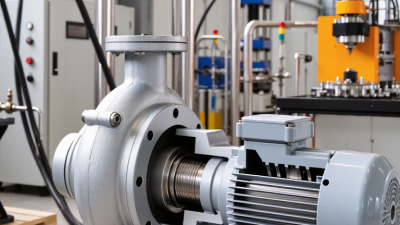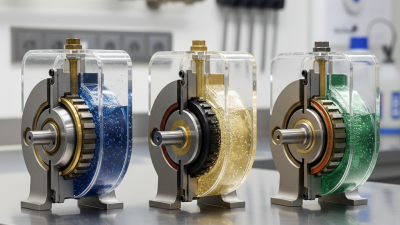
Choosing the right vane pump begins with the application, not the catalogue page. Flow stability, pressure demand, fluid viscosity, noise limits, and maintenance access all matter. A pump that performs smoothly on a test bench may struggle beside a hot press, where contaminated oil and repeated starts accelerate wear.
Industry forecasts show why this decision deserves attention. Grand View Research estimates that the global hydraulic pumps market was worth about USD 10.8 billion in 2023, with continued growth expected through 2030. MarketsandMarkets also identifies vane pumps as an important segment, supported by demand for compact and efficient hydraulic systems. However, these reports use different definitions and methods. Their figures should guide planning, not replace engineering verification.
As hydraulic engineering author Anthony Esposito explains, “Pump selection must begin with the required flow, pressure, and operating conditions.” That principle remains practical. A vane pump can offer quiet operation, steady delivery, and a compact design for mobile equipment, industrial machinery, and fluid-transfer systems. It is not perfect. Severe contamination, unsuitable viscosity, or excessive pressure can shorten its service life quickly.
Picture a factory line running eight hours daily. Stable flow reduces actuator hesitation, while accessible cartridges simplify inspection. Yet the final choice still requires measured data, including startup temperature, duty cycle, filtration quality, and expected maintenance intervals. A vane pump becomes valuable when these details match its design strengths.
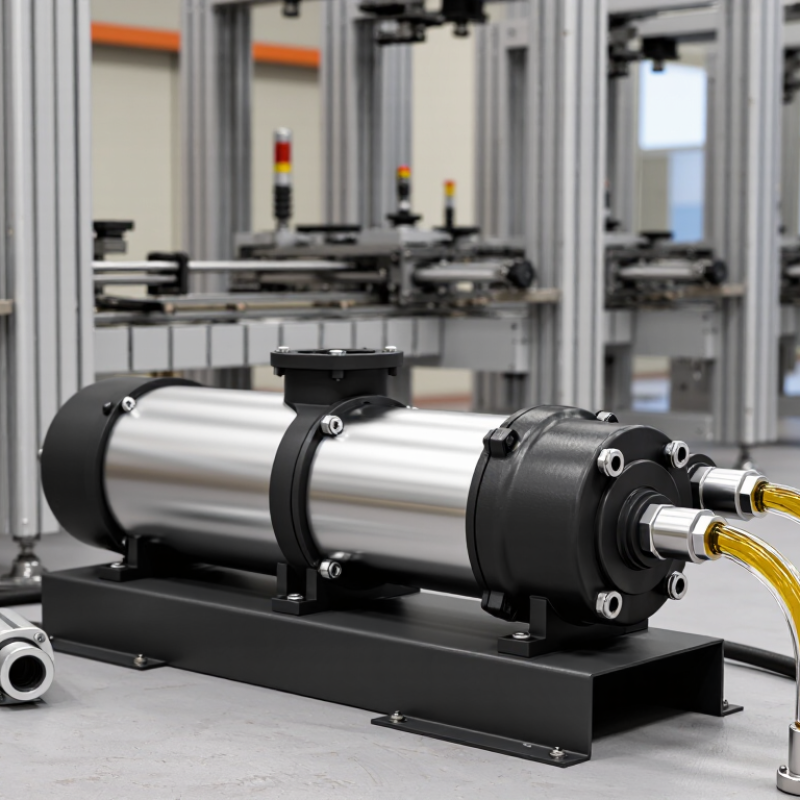
A vane pump is a positive-displacement pump with a rotor, sliding vanes, and a cam ring. The rotor turns inside the ring, slightly off-center. This creates changing chambers between the vanes. As chambers expand, they draw fluid through the inlet. As they shrink, they push fluid toward the outlet. Simple mechanics. Reliable results.
This design suits hydraulic circuits needing steady flow, compact installation, and moderate noise. It can handle many industrial oils and selected low-viscosity fluids. However, fluid cleanliness matters. Small particles can score the cam ring or restrict vane movement. In maintenance inspections, uneven pressure often points to wear, contamination, or incorrect viscosity—not merely a defective pump.
The U.S. Department of Energy’s Improving Pumping System Performance: A Sourcebook for Industry reports that pumping systems may consume 25% to 50% of industrial facility electricity. That figure covers complete pumping systems, not vane pumps alone. Still, it shows why correct sizing deserves attention. A vane pump running far above its needed pressure wastes energy and shortens service life.
ISO 4409:2019 provides methods for measuring hydraulic pump flow, displacement, and efficiency. Use measured data, not catalogue assumptions. A clean calculation can still miss temperature changes, start-up loads, or poor filtration. That assumption deserves questioning.
A vane pump uses a rotor, sliding vanes, a cam ring, housing, shaft, and inlet and outlet ports. The rotor sits slightly off-center inside the cam ring. This offset creates working chambers of changing volume. As the rotor turns, chambers expand near the inlet and draw in fluid. They contract near the outlet and discharge fluid under pressure. The vanes must maintain contact with the cam ring. Proper contact depends on hydraulic pressure, spring force, vane design, and surface condition. Small clearances matter. Excessive clearance can reduce efficiency and increase internal leakage.
A pressure plate, bearings, seals, and drive coupling also influence reliability. Contaminated fluid may scratch the cam ring or restrict vane movement. Excessive speed can cause aeration, heat, and premature wear. A vane pump is not automatically the best choice. Application pressure, fluid viscosity, temperature, duty cycle, and noise requirements should guide selection. One detail is often overlooked: fluid cleanliness. It deserves more attention. During maintenance, technicians can inspect vane edges, shaft seals, and unusual housing marks. These signs may reveal alignment problems before failure. Still, inspection results can be imperfect, especially when wear develops gradually.
Tips: Use the recommended fluid viscosity and filtration level. Prime the pump before operation when required. Listen for whining or vibration. Check pressure and temperature under normal load, not only during startup. Record readings over time. Trends usually provide better evidence than one measurement.
A vane pump can deliver steady hydraulic flow across many industrial systems. Its sliding vanes maintain close contact with the cam ring. This design supports smooth output and reduces pressure pulsation. Operators often notice lower operating noise near production equipment. Stable flow also helps improve actuator control and repeatable machine movements. These advantages suit presses, material-handling systems, machine tools, and automated production lines.
Vane pumps can provide good volumetric efficiency when clearances remain controlled. They also perform well with common hydraulic fluids at moderate pressures. Maintenance teams benefit from accessible wear components and straightforward inspection routines. However, this pump is not perfect. Contaminated fluid can damage vane tips and internal surfaces quickly. Excessive viscosity, poor filtration, or incorrect installation may reduce efficiency. Real operating conditions matter more than catalog figures. A short field test can reveal problems that calculations miss.
Tips: Keep the reservoir clean and use suitable filtration. Check fluid temperature during peak production. Listen for unusual noise or vibration. Inspect pressure stability before replacing the pump. Record leakage, cycle time, and motor load during maintenance checks. These details help confirm whether the pump matches the application. A slightly oversized pump may waste energy, while an undersized unit can run continuously near its limits.
Selecting a vane pump should begin with the system, not the catalog. Define the required flow rate, operating pressure, speed range, and fluid viscosity. A pump sized only for peak demand may waste energy during normal operation. A pump selected too small may run continuously at high stress. Do not size by pressure alone.
Check the fluid temperature and cleanliness carefully. Vane pumps can deliver smooth, low-pulsation flow, but contamination may damage internal surfaces. Specify suitable filtration and confirm the fluid’s compatibility with seals and materials. In cold conditions, thick fluid can delay startup and increase motor load. In hot conditions, reduced viscosity can affect sealing performance.
Installation details matter as much as pump specifications. Verify shaft alignment, inlet conditions, rotation direction, and available space for maintenance. I have seen systems fail because the pump was technically correct but poorly installed. A spreadsheet can look precise while ignoring pipe restrictions or unstable operating cycles. Select a displacement that supports the normal working range, then confirm performance at minimum and maximum speeds. Consider noise, control response, service access, and expected operating hours. The first selection is rarely perfect. Review the assumptions with measured field data before final approval.
Why Choose a Vane Pump for Your Application?
Maintenance Requirements and Common Operating Challenges
A vane pump can deliver steady flow with modest noise, making it useful in many hydraulic systems. Its compact design also simplifies installation where space is limited. However, reliable operation depends on disciplined maintenance, not the pump alone. In field service, small lapses often become expensive failures.
Keep the fluid clean and maintain the specified viscosity. Contamination scratches vanes, damages the rotor, and reduces volumetric efficiency. Inspect filters regularly, especially after hose replacement or reservoir work. Check shaft seals for dampness, and listen for unusual whining during startup. Record pressure, temperature, and flow readings. Trends reveal trouble earlier than a single inspection. Do not ignore gradual changes.
Common challenges include cavitation, excessive heat, air leakage, and worn vanes. Cavitation may sound like gravel inside the housing. It can result from a blocked inlet filter, cold fluid, or restricted suction piping. Air leakage often creates foam in the reservoir and unstable actuator movement. Correct the cause before replacing components. Otherwise, the same fault may return quickly.
Vane pumps are not maintenance-free. They reward clean practices and accurate diagnosis. Service intervals should match actual duty, not a generic calendar. Heavy cycling, dusty surroundings, and frequent cold starts demand closer checks. Even experienced technicians can misread noise as normal. That assumption deserves review.
| Evaluation Dimension | Typical Vane Pump Characteristic | Maintenance Requirement | Common Operating Challenge | Recommended Practice | Suitability Assessment |
|---|---|---|---|---|---|
| Flow Delivery | Provides relatively smooth and low-pulsation flow compared with many positive-displacement pump designs. | Inspect the pump for abnormal vibration, flow fluctuation, and changes in noise during operation. | Flow may decrease when internal clearances increase because of wear. | Monitor actual flow against the application requirement and investigate gradual performance loss before it becomes critical. | Good for applications requiring steady flow |
| Pressure Capability | Suitable for low-to-medium pressure hydraulic, lubrication, transfer, and process duties when correctly sized. | Verify operating pressure, relief-device settings, and motor load at scheduled intervals. | Excessive pressure can accelerate vane, rotor, housing, and bearing wear. | Keep the pump within its rated pressure range and use correctly adjusted pressure protection. | Suitable within rated limits |
| Fluid Cleanliness | Requires clean fluid because small clearances and sliding vane contact are sensitive to abrasive particles. | Replace or clean filters according to contamination level and inspect the fluid for particles or discoloration. | Contamination can score internal surfaces, restrict vanes, and reduce volumetric efficiency. | Use appropriate filtration, keep reservoirs clean, and prevent dirt from entering during fluid filling or servicing. | High cleanliness requirement |
| Lubrication | Many vane pumps depend on the pumped fluid for lubrication of sliding and rotating components. | Check fluid level, viscosity, temperature, and compatibility with the pump materials. | Insufficient lubrication or unsuitable viscosity may cause friction, overheating, and premature wear. | Use the fluid grade specified for the operating temperature and confirm compatibility with seals and internal components. | Requires controlled fluid conditions |
| Cavitation Risk | Can operate reliably when the inlet supply provides adequate pressure and the suction line is properly designed. | Inspect the inlet line, strainer, connections, and reservoir level for restrictions or air ingress. | Cavitation may produce rattling noise, vibration, pitting, and a rapid reduction in pump life. | Minimize suction-line pressure loss, avoid undersized inlet piping, and maintain adequate fluid level and temperature. | Sensitive to poor inlet conditions |
| Temperature Control | Performance and service life depend on keeping the fluid and pump within the recommended temperature range. | Record fluid temperature and inspect cooling equipment, airflow, and heat exchangers where installed. | High temperature reduces fluid viscosity, accelerates seal aging, and can increase internal leakage. | Control heat generation, maintain cooling capacity, and avoid continuous operation near the maximum allowable temperature. | Best with stable thermal conditions |
| Noise and Vibration | Normally provides smooth operation, but noise can increase when the pump is misaligned, aerated, worn, or starved at the inlet. | Check mounting bolts, shaft alignment, couplings, bearings, and pipe supports during inspections. | Unusual noise may be an early indication of cavitation, air entrainment, bearing wear, or vane damage. | Establish baseline readings for noise and vibration and investigate deviations promptly. | Generally quiet when correctly installed |
| Start-Up and Priming | Correct priming and fluid availability are important before initial start-up or after maintenance. | Confirm the pump is filled or primed as required and check the direction of rotation before applying full load. | Dry running can damage sliding surfaces and may prevent the pump from building pressure. | Follow the equipment start-up procedure, open required valves, and stop the pump immediately if it does not receive fluid. | Requires disciplined start-up procedure |
| Seal and Leakage Control | Mechanical seals, shaft seals, gaskets, and fittings must remain compatible with the operating fluid and temperature. | Inspect for external leakage and replace damaged sealing elements using suitable materials. | Seal wear, shaft damage, excessive pressure, or misalignment may cause leakage. | Address small leaks early, maintain correct shaft alignment, and use seals rated for the actual fluid and temperature. | Manageable with routine inspection |
| Maintenance Workload | Routine care typically focuses on filtration, fluid condition, alignment, temperature, seals, and performance checks. | Use condition-based inspections rather than relying only on a fixed calendar interval; service frequency depends on duty severity. | Ignoring gradual wear can lead to loss of efficiency, reduced pressure, or unexpected downtime. | Keep operating records for flow, pressure, temperature, vibration, and service history to identify trends. | Moderate when operating conditions are controlled |
| Application Fit | Often appropriate where smooth flow, compact construction, moderate pressure, and predictable fluid properties are required. | Confirm duty point, fluid compatibility, temperature, pressure, speed, and installation conditions before selection. | Performance may be unsuitable for highly abrasive fluids, severe contamination, extreme temperatures, or operation beyond the rated envelope. | Choose the pump based on the complete duty cycle rather than flow rate alone. | Strong choice for correctly matched applications |