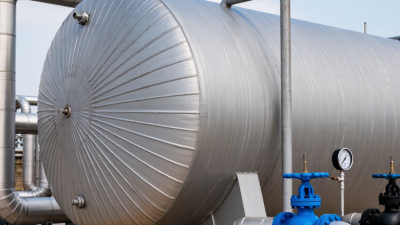
Choosing the right vacuum tank can shape your business’s safety, efficiency, and operating costs. It affects material handling, cleaning routines, downtime, and product quality. A tank that looks affordable may demand expensive repairs later. Small details matter. Wall thickness, vacuum rating, capacity, inlet size, and drainage design all influence daily performance. In real facilities, operators notice whether fittings are easy to reach and whether the tank empties completely. That practical experience should guide the specification process, not marketing language alone.
Selection should begin with your actual process requirements. Estimate working volume, vacuum level, material density, temperature, and expected operating frequency. Allow room for expansion, but avoid buying excessive capacity without a clear reason. Then review the tank’s construction materials and applicable pressure-vessel standards. Ask suppliers for drawings, test records, maintenance guidance, and warranty terms. Reliable documentation helps your engineering team compare options fairly. Do not rely on appearance or a single price quotation. The first choice is not always the best choice.
Material compatibility deserves careful attention. Stainless steel may suit corrosive or hygiene-sensitive applications, while carbon steel can support demanding industrial service when properly protected. Temperature changes, cleaning chemicals, and repeated vacuum cycles can gradually expose weak design decisions. Safety devices, inspection access, and emergency procedures also deserve serious review. Professional advice from qualified engineers or experienced manufacturers can prevent costly mistakes. Still, no supplier knows your operation better than your team. A sound vacuum tank decision combines verified technical data, operator feedback, and honest reflection about what your business may need next.
How to Choose the Right Vacuum Tank for Your Business?
Understanding tank types clarifies the equipment’s real purpose. Wet vacuum tanks collect liquids, sludge, and wastewater with high moisture content. Dry vacuum tanks handle powders, sand, and relatively dry debris. Combination tanks offer wider use, but their added complexity increases maintenance demands. That flexibility costs more.
Tank capacity is only one decision. Check the vacuum rating, material thickness, inlet size, discharge method, and cleaning access. Stainless steel resists corrosion from aggressive liquids, while coated carbon steel can reduce initial costs. The U.S. Environmental Protection Agency’s 2022 Clean Watersheds Needs Survey estimated $630.1 billion in wastewater infrastructure needs through 2041. This pressure supports durable, serviceable equipment. Still, infrastructure demand does not justify buying the largest tank available.
Grand View Research identifies steady growth in the global vacuum truck market through 2030, driven partly by wastewater and industrial cleaning needs. Match the tank to daily volume, travel distance, and disposal frequency. A 3,000-gallon tank may suit frequent local routes, while a larger unit can reduce unloading trips. However, heavier loads increase fuel use, braking demands, and operating risk. I have seen specifications look impressive on paper but fail during winter pumping. Temperature, hose length, and material density matter. Ask operators to test the tank with actual site material before purchase. Their practical feedback may challenge the original design.
Understanding Vacuum Tank Types and Their Main Functions
The chart compares representative nominal capacities commonly used across major vacuum tank applications. Vacuum receiver tanks support air-system buffering, liquid vacuum tanks collect and transfer fluids, sewage and sludge tankers transport wastewater, hydro-excavation tanks handle wet soil and slurry, and sanitary tanks are designed for hygienic liquid processing. Actual capacity depends on operating vacuum, material compatibility, transport regulations, and the required collection frequency.
How to Choose the Right Vacuum Tank for Your Business?
Assessing Your Business’s Capacity, Material, and Suction Needs
Choosing a vacuum tank starts with your daily workload, not the largest available size. Estimate the liquid or debris collected during a normal shift. Then add practical reserve capacity. Filling a tank completely can reduce suction stability and complicate unloading. A 2,000-liter tank may be unsuitable if your site lacks space for safe maneuvering or disposal. Measure access points, hose distances, and cleaning time before approving the purchase.
Material compatibility deserves equal attention. Stainless steel can resist many corrosive liquids, while coated carbon steel may suit less aggressive applications. Always compare the tank material with the actual chemical data, temperature, and concentration. Small changes matter. I once underestimated residue buildup during a trial assessment. The tank volume looked adequate, but the heavier material reduced usable capacity and increased cleaning frequency. That mistake changed the final specification.
Suction requirements should come from measured operating conditions. Check the required vacuum level, airflow, hose diameter, and expected material density. A long, narrow hose can sharply reduce collection performance. Wet sludge, dry powder, and sharp fragments also demand different inlet designs and filtration methods. Ask for documented performance data, duty-cycle limits, inspection guidance, and applicable safety certifications. A vacuum tank is not automatically suitable for pressure service. Have a qualified engineer verify the design before installation. Field conditions rarely match the brochure.
How to Choose the Right Vacuum Tank for Your Business?
Tank material should match the product, temperature, and cleaning method. Carbon steel is economical for dry, non-corrosive service. Stainless steel handles moisture, chemicals, and frequent washdowns better. Fiberglass-reinforced plastic can resist many corrosive vapors, but impact damage deserves attention. The U.S. Department of Energy identifies vacuum generation as an important industrial energy load, so material choice should also support efficient maintenance and operation. A tank that corrodes quickly wastes more than its purchase price.
Size must reflect both working volume and process demand. Oversizing increases capital cost and may slow pressure changes. Undersizing creates frequent pump cycling, unstable vacuum, and production delays. Grand View Research valued the global vacuum pumps market at approximately USD 5.1 billion in 2023, showing how widely these systems support industrial processes. That figure does not determine your tank size. Actual flow, evacuation time, leak rate, and pump capacity matter more. Measure them.
Configuration changes daily usability. Horizontal tanks suit low-clearance areas, while vertical tanks reduce floor space. Add inspection ports, drain points, isolation valves, and access platforms where operators can reach them safely. A receiver tank near the process can reduce pressure fluctuations. I have seen teams focus on volume and overlook cleaning access. That mistake is easy to repeat. Review drawings with operators, maintenance staff, and a qualified engineer. Confirm design pressure, vacuum rating, weld quality, and applicable ASME requirements before ordering.
A practical comparison of common vacuum tank choices for liquid processing, storage, collection, and transport applications
| Tank Option | Typical Capacity Range | Common Material | Configuration | Typical Design Vacuum | Typical Operating Temperature | Key Advantages | Best-Fit Applications | Main Considerations |
|---|---|---|---|---|---|---|---|---|
| Compact Utility Tank | 100–500 L | Carbon steel with protective coating or stainless steel | Vertical, fixed frame; top inlet and bottom outlet | Approximately −0.8 to −1.0 bar gauge, subject to engineering design | Approximately 5–60°C | Small footprint, easier installation, lower initial material requirement | Laboratory support, small-batch processing, condensate collection, and pilot systems | Limited surge capacity; internal access and cleaning space may be restricted |
| Medium Process Tank | 500–2,000 L | 304 stainless steel or coated carbon steel | Vertical, fixed legs or skirt; optional mixer and inspection port | Approximately −0.8 to −1.0 bar gauge, subject to engineering design | Approximately 5–95°C | Good balance between capacity, footprint, serviceability, and cost | Food ingredients, chemical intermediates, wastewater collection, and general process liquids | Requires structural support, vacuum relief protection, and appropriate access clearance |
| Large Production Tank | 2,000–10,000 L | Carbon steel, 304 stainless steel, or 316L stainless steel | Vertical fixed tank; optional agitator, heating jacket, spray ball, and load cells | Approximately −0.5 to −1.0 bar gauge, depending on diameter and reinforcement | Approximately 5–150°C, depending on construction and seals | High working volume, process integration capability, and reduced transfer frequency | Continuous or batch production, bulk liquid storage, and centralized vacuum systems | Large-diameter tanks may require stiffening rings or other reinforcement for full-vacuum service |
| Corrosion-Resistant Tank | 500–5,000 L | 316L stainless steel | Vertical or horizontal; sanitary fittings and polished internal surfaces available | Approximately −0.8 to −1.0 bar gauge, subject to material thickness and fabrication | Approximately 5–150°C | Improved resistance to chlorides, acidic media, and frequent cleaning compared with 304 stainless steel | Pharmaceutical, specialty chemical, food, beverage, and high-purity liquid processing | Higher material and fabrication cost; chloride concentration and temperature still require review |
| Coated Carbon-Steel Tank | 1,000–20,000 L | Carbon steel with epoxy, rubber, glass-flake, or other compatible lining | Vertical or horizontal; fixed, skid-mounted, or buried installation | Approximately −0.3 to −1.0 bar gauge, depending on lining and shell design | Approximately 5–90°C, depending on coating system | Cost-effective for large volumes and suitable for many non-corrosive or moderately corrosive liquids | Industrial wastewater, oils, water-based liquids, and bulk process storage | Coating compatibility, inspection, repair, and vacuum stability of the lining must be verified |
| Sanitary Process Tank | 200–5,000 L | 304L or 316L stainless steel | Vertical; orbital-welded piping, hygienic fittings, spray device, and clean-in-place capability | Typically −0.5 to −1.0 bar gauge, depending on geometry and cleaning conditions | Approximately 5–150°C | Cleanable surfaces, reduced contamination risk, and compatibility with hygienic production practices | Food, beverage, biotechnology, pharmaceutical, and personal-care products | Dead legs, surface finish, gasket selection, and cleaning-cycle temperature require detailed specification |
| Horizontal Mobile Tank | 500–10,000 L | Carbon steel or stainless steel | Horizontal, skid-mounted, trailer-mounted, or vacuum-truck style configuration | Approximately −0.5 to −1.0 bar gauge, depending on transport and shell design | Approximately 5–90°C | Easy relocation, practical for collection points, and suitable for limited installation areas | Waste collection, emergency response, field service, and temporary process operations | Requires baffles, secure anchoring, transport-rated supports, grounding, and liquid surge control |
| High-Purity Vacuum Tank | 100–2,000 L | 316L stainless steel, often electropolished or mechanically polished | Vertical fixed tank; hygienic valves, low-point drain, and validated cleaning features | Approximately −0.5 to −1.0 bar gauge, subject to validated design | Approximately 5–135°C | Low surface retention, strong cleanability, and improved control of contamination sources | Pharmaceutical solutions, sterile-support systems, and high-purity chemical processing | Higher qualification, documentation, surface-finish, and inspection requirements |
Specification note: Vacuum ratings, temperatures, capacities, and configurations shown are typical planning ranges rather than guarantees. Final selection should be confirmed by a qualified tank engineer using the actual liquid properties, operating temperature, vacuum cycle, shell diameter, support conditions, applicable pressure-vessel regulations, and required safety devices.
Choosing a vacuum tank starts with safety, not capacity.
Vacuum vessels face external pressure and can fail through sudden collapse. Check the design vacuum rating, material thickness, weld quality, and inspection records. OSHA guidance supports documented training, guarding, and preventive inspections around stored energy. Select a tank with a vacuum breaker, isolation valve, pressure gauge, and clearly accessible emergency shutoff. ASME Section VIII requirements may apply, depending on the vessel and location. Confirm local rules before purchase.
Maintenance affects reliability and total cost.
Inspect the shell for corrosion, especially near drain points and welded joints. Check seals, hoses, filters, and valves for cracks or hardened rubber. A small leak may sound like a soft whistle near a flange. It can also force the pump to run longer. The U.S. Department of Energy reports that compressed-air systems may consume 10–30% of industrial electricity. Vacuum systems can suffer similar energy waste when leaks, oversized pumps, or poor controls remain unnoticed. Install an energy meter and record pump runtime monthly.
Tips:
Compare five-year costs, not only the purchase price. Ask for inspection intervals, replacement-part prices, and expected pump duty cycles. Leave space around the tank for cleaning and testing. I would not choose the largest vessel automatically. Oversizing can increase footprint, cleaning time, and stagnant moisture. A smaller tank may be better, but only after checking peak demand, vacuum recovery time, and future production changes. Mistakes happen when operators trust catalog numbers without measuring real demand.
Choosing a vacuum tank starts with your equipment, not the largest vessel available. Match the tank’s working volume, vacuum rating, inlet size, and material to the pump and process. A tank that is too small may cause frequent pump cycling and unstable pressure. One that is too large can slow evacuation and increase cleaning time.
Measure the chamber volume, target pressure, pump-down time, and expected batch frequency. Then test the system at its busiest operating point. A practical design should allow future equipment, added production shifts, and occasional demand spikes. Growth changes the math. Leave connection points and floor space for another pump or separator, but avoid paying for unused capacity today. The U.S. Department of Energy reports that compressed-air leaks can waste 20–30% of system output. Vacuum equipment can also suffer from unnoticed leakage, poor seals, and oversized pipework, so operating losses deserve attention during tank selection.
Safety and service access matter as much as capacity. Ask the manufacturer for external-pressure calculations, inspection guidance, and documented material specifications. Relevant pressure-vessel standards, including ASME Section VIII where applicable, support more reliable engineering decisions. A tank may meet its pressure rating yet perform poorly with hot vapor, dust, or condensable liquids. I have seen sizing decisions based only on catalog volume. That shortcut often misses the real process load. Recheck the design after a pilot run, especially when product moisture or cleaning routines change. (U.S. Department of Energy, Improving Compressed Air System Performance; ASME BPVC Section VIII; ISO 21360-1)