231-941-0215 sale@namkeenmachine.com 2707 Aero Park Drive Traverse City, MI
Eng
  • Eng
  • Deu
  • Fra

10 Tips for Buying the Right Vacuum Tank?

Choosing the right vacuum tank is more complicated than comparing capacity and price. A tank may look impressive on a sales page, yet fail under demanding operating conditions. Wall thickness, vacuum rating, material compatibility, access ports, pump connection, and cleaning requirements all affect performance. A tank used for wastewater, food processing, chemical recovery, or industrial suction needs different protection and internal design.

James Dyson, a renowned vacuum-product designer and founder of Dyson, once said, “Enjoy failure and learn from it.” That principle also matters when selecting a vacuum tank. A poor choice may reveal problems through slow evacuation, implosion risk, difficult maintenance, or unexpected corrosion. Small details matter.

This guide presents ten practical tips for buying the right vacuum tank. It focuses on real purchasing decisions, not vague product claims. You will learn how to check working volume, vacuum pressure, construction materials, safety features, inspection access, mobility, and supplier support. You will also see why total ownership cost deserves attention. The cheapest tank may require frequent repairs, extra fittings, or premature replacement.

Do not trust specifications blindly. Ask for test records, drawings, material certificates, and clear operating limits. Confirm whether the tank suits your pump and process. A useful question is often missed: What happens when conditions change?

Even experienced buyers can overlook that point. I would not treat any checklist as perfect. Site temperature, fluid behavior, operator habits, and maintenance quality can alter the final decision. Use these tips as a practical starting point, then verify the selection with a qualified engineer and the manufacturer.
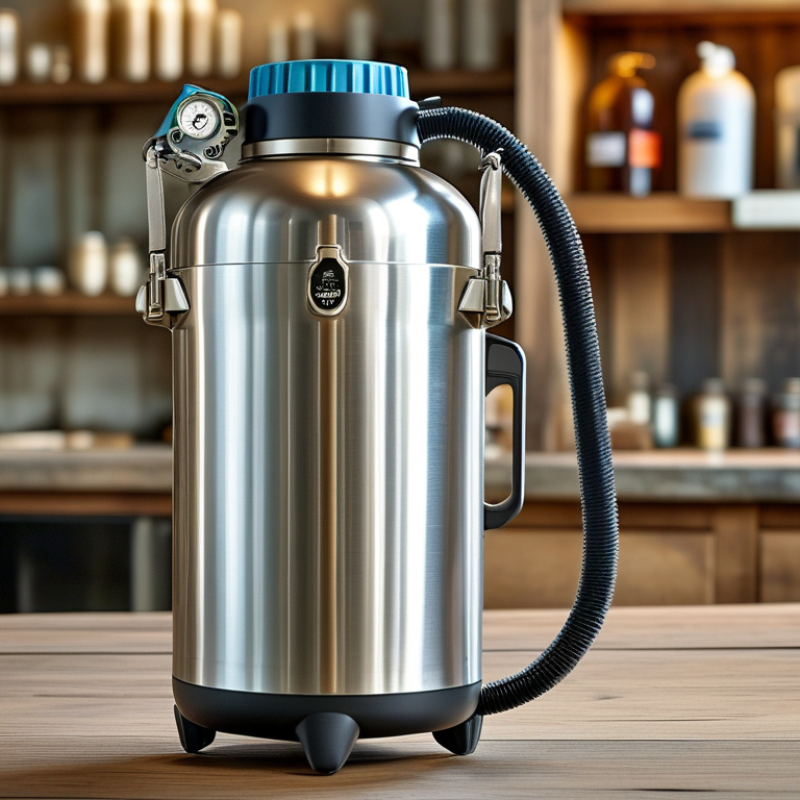
10 Tips for Buying the Right Vacuum Tank?

Define Your Vacuum Tank Requirements and Intended Application

Define the vacuum tank by its job, not by capacity alone. Start with the application: buffering a vacuum pump, stabilizing filtration, lifting materials, degassing liquids, or holding a temporary vacuum. Each duty changes the required volume, pressure range, connection size, and internal finish. Record the target vacuum in absolute pressure, not only gauge pressure. Also note gas type, temperature, moisture, solids, cleaning chemicals, and daily operating hours.

Measure the real demand. A tank serving a pick-and-place line may face rapid leaks and repeated cycling, while a degassing vessel may require steady vacuum for hours. The U.S. Department of Energy’s Improving Compressed Air System Performance sourcebook reports that leaks can waste 20–30% of compressor output in poorly maintained systems. Vacuum equipment can suffer similar losses through cracked hoses, loose fittings, and permeable seals.

That statistic deserves caution, because vacuum losses vary with pressure and piping design.

Size the vessel around pump-down time, peak flow, and acceptable pressure fluctuation. Use absolute pressure when applying gas-law calculations. Include a safety margin, but avoid oversized tanks that slow evacuation and increase cleaning time. ASME Boiler and Pressure Vessel Code Section VIII can guide pressure-vessel design decisions, where applicable. A drain, inspection opening, and replaceable seal may matter more than another fifty litres of volume. I have seen early specifications focus on volume and ignore cleaning access. That was a costly assumption. Ask for verified test data, material certificates, pressure ratings, and documented leak-test methods before approving the design.

Choose the Appropriate Tank Capacity and Operating Pressure

10 Tips for Buying the Right Vacuum Tank?

Choose the Appropriate Tank Capacity and Operating Pressure

A practical vacuum tank selection starts with actual demand, not the largest available vessel. Estimate the required airflow, evacuation time, and expected operating cycles. A tank that is too small may cause frequent pump starts and unstable vacuum levels. A tank that is too large can increase cost, weight, and evacuation time. Measure the demand.

Review the process volume and leakage rate under normal conditions. For intermittent use, extra capacity can provide a useful buffer during short demand peaks. For continuous operation, pump performance may matter more than storage volume. Record real operating data for several days. Guessing from old specifications is risky. I have seen systems selected by habit, then adjusted after production exposed pressure swings.

Operating pressure requires equal care. Confirm whether specifications use absolute pressure or gauge pressure. Check the tank’s design pressure, vacuum rating, temperature range, and pressure relief provisions. The working pressure should remain comfortably within the certified limit, including startup changes and unexpected heat. Do not treat a safety margin as wasted capacity. However, excessive conservatism may add unnecessary expense and structural weight. Verify calculations with a qualified engineer and follow applicable inspection requirements. A small detail, such as a blocked inlet filter, can change performance quickly. Keep records.

Compare Materials, Construction Quality, and Safety Features

Buying the right vacuum tank starts with material compatibility, not appearance. Carbon steel suits many non-corrosive liquids and usually costs less. Stainless steel handles aggressive fluids and frequent washing better. Aluminum reduces weight, but it may require stricter inspection. Check the fluid’s pH, temperature, density, and chloride content. Also ask for the tank’s vacuum rating, shell thickness, weld records, and hydrostatic test results. A polished surface proves very little. I have seen attractive equipment hide weak fittings and poorly finished welds.

Tip 1: Compare the specification sheet with your real operating conditions. The tank should meet recognized pressure-vessel requirements, such as ASME Section VIII, where applicable. Tip 2: Examine construction details closely. Continuous welds, protected seams, reinforced mounting points, and accessible inspection ports matter during daily use. Independent inspection is worth the cost.

Safety deserves more attention than capacity. OSHA estimates that about 1.6 million workers enter permit-required confined spaces annually, with roughly 5,000 injuries and 92 fatalities reported each year. NIOSH has also noted that would-be rescuers account for about 60% of confined-space deaths. A tank is not automatically safe because it is new. Require a calibrated vacuum gauge, a correctly sized vacuum breaker, pressure relief protection, grounding provisions, emergency shutoff controls, and clear warning labels. Tip 3: Request maintenance history and inspection intervals. Tip 4: Ask an experienced engineer to review the design. My own caution is simple: specifications can be technically correct yet poorly matched to field conditions. Test the whole setup before relying on it.

10 Tips for Buying the Right Vacuum Tank

Compare materials, construction quality, and safety features before selecting a vacuum tank.

How to Use This Comparison

Material density and yield strength are typical reference values for commonly used tank materials. Lower density can reduce equipment weight, while higher yield strength can provide greater resistance to permanent deformation. Actual performance depends on the alloy grade, wall thickness, weld quality, operating temperature, vacuum level, corrosion allowance, and applicable pressure-vessel design code.

10 Buying Checks

  1. Select a material compatible with the stored product and cleaning chemicals.
  2. Verify the required full-vacuum or external-pressure design rating.
  3. Check wall thickness, stiffening rings, heads, and support structure.
  4. Review weld procedures, welder qualifications, and inspection records.
  5. Confirm dimensional accuracy and the quality of flanges, nozzles, and ports.
  6. Look for vacuum-rated gaskets, seals, valves, and sight glasses.
  7. Require a calibrated vacuum gauge and a suitable vacuum relief device.
  8. Check for leak testing, pressure testing, and documented test results.
  9. Confirm grounding, bonding, lifting points, and safe access provisions.
  10. Choose a tank supported by traceable documentation and a clear maintenance plan.

Check Compatibility, Maintenance Needs, and Installation Requirements

10 Tips for Buying the Right Vacuum Tank

Compatibility should guide every purchasing decision. Check the tank’s working volume, vacuum rating, material, and intended fluid. A tank used with corrosive liquids may need specialized internal protection. Confirm that the inlet, outlet, drain, and gauge connections match your existing piping. Small mismatches can create expensive delays. Ask for pressure and vacuum test records. Do not rely on a sales description alone. Compare the operating temperature with the tank’s certified range.

Maintenance needs deserve equal attention. Choose a design with accessible covers, replaceable seals, and visible inspection points. A narrow opening may make cleaning frustrating, especially after thick fluids dry inside. Ask how often gaskets, filters, and valves require inspection. Request a maintenance schedule in writing. Keep spare seals available. It sounds minor, but downtime rarely does.

Installation requirements are often underestimated. Measure doorway widths, ceiling height, floor strength, and service clearance before ordering. Include the tank, liquid, connected pipes, and lifting equipment in the load calculation. Verify electrical needs, grounding, drainage, ventilation, and emergency access. Installation drawings should show pipe supports and flexible connections. I have learned that a perfect tank can still become a poor purchase when the site is unprepared. Recheck every measurement. One overlooked valve can block routine maintenance.

10 Tips for Buying the Right Vacuum Tank? - Check Compatibility, Maintenance Needs, and Installation Requirements

No. Buying Dimension What to Check Practical Guidance Key Installation or Maintenance Requirement
1 Required Capacity Determine the usable volume, batch size, liquid level, and expected expansion space. Select a tank with enough working volume without filling it completely. For liquid service, leaving approximately 10–20% free space is commonly used to reduce overflow and foaming risk, subject to the process design. Confirm the working volume separately from the total geometric volume and provide a visible level indicator.
2 Vacuum and Pressure Rating Review the maximum allowable working pressure, full-vacuum rating, design temperature, and applicable code requirements. The tank must be designed for the highest external pressure created by the intended vacuum level. A tank rated only for positive pressure may not be suitable for vacuum service. Install a calibrated vacuum gauge, isolation valve, and a suitable vacuum relief or break-vacuum device.
3 Material Compatibility Compare the tank material, lining, seals, gaskets, and fittings with the process fluid and cleaning chemicals. Common construction materials include carbon steel, stainless steel, and polymer-lined steel. Material selection should consider corrosion, temperature, concentration, and exposure time. Obtain chemical-compatibility data for all wetted components, not only the tank shell.
4 Pump and System Compatibility Match the tank connections and operating range with the vacuum pump capacity, ultimate vacuum, flow rate, and vapor load. A pump that reaches a deep vacuum without adequate vapor handling may experience reduced performance or contamination. Oversized pumps can also increase energy use and liquid carryover risk. Use correctly sized piping, minimize unnecessary bends, and place a separator or liquid trap upstream of the pump when needed.
5 Connection Sizes and Layout Check inlet, outlet, drain, vent, instrument, and access-port sizes, thread types, flange standards, and connection locations. Connections should match the existing pipework and allow adequate flow without excessive pressure loss. A low-point drain helps remove collected liquid and sediment. Allow sufficient clearance for valves, hose connections, gauges, inspection covers, and future maintenance.
6 Inspection and Cleaning Access Evaluate manway dimensions, removable covers, internal surfaces, spray devices, and clean-in-place requirements. Applications involving solids, sticky products, or hygiene-sensitive fluids generally need smooth internal surfaces and reliable drainage to prevent residue buildup. Inspect seals, gaskets, welds, and internal coatings at scheduled intervals; isolate and fully depressurize the tank before opening.
7 Filtration and Liquid Carryover Control Identify whether the process can generate dust, foam, droplets, condensate, or entrained liquid. Filters, demisters, knock-out pots, and moisture separators can protect the pump and reduce contamination of the vacuum line. Provide access for filter replacement and a drain arrangement for separators and condensate collection points.
8 Structural Support and Site Conditions Check filled weight, footprint, center of gravity, support type, floor loading, lifting points, and environmental exposure. The supporting structure must accommodate the tank, contents, connected equipment, and dynamic loads. Outdoor installations may require protection from weather and temperature extremes. Level the tank, anchor it where required, maintain safe access, and verify that the foundation can support the maximum operating load.
9 Instrumentation and Safety Controls Determine the need for vacuum gauges, level switches, temperature sensors, alarms, isolation valves, and emergency venting. Instrumentation should allow operators to detect loss of vacuum, overfilling, abnormal temperature, and blocked or restricted lines. Use instruments with suitable ranges and materials, protect gauges from pulsation, and test alarms and relief devices regularly.
10 Documentation and Compliance Request drawings, material certificates, pressure or vacuum test records, operating limits, inspection instructions, and spare-parts information. Applicable requirements vary by location, tank size, fluid hazard, and industry. Confirm whether the installation falls under local pressure-vessel, electrical, environmental, or workplace-safety rules. Keep a maintenance log, inspection history, calibration records, and the manufacturer’s operating manual on site.

Evaluate Suppliers, Certifications, Pricing, and Long-Term Value

10 Tips for Buying the Right Vacuum Tank

Evaluate Suppliers, Certifications, Pricing, and Long-Term Value

A vacuum tank should match your material, operating pressure, temperature, capacity, and cleaning routine. Ask suppliers for drawings, material certificates, weld procedures, and pressure-test records. Review certification details carefully. A certificate alone proves little if its scope does not cover your tank design or intended region. Confirm inspection steps, traceability, and documentation before placing an order. Small omissions become expensive later.

Compare suppliers by technical evidence, not polished presentations. Request references from facilities with similar workloads and ask about delivery accuracy, repair response, and spare-part access. During supplier discussions, note whether engineers ask practical questions about loading cycles, vacuum levels, and maintenance space. That behavior often reveals real experience. Still, references can be selective. Check them independently when possible.

Pricing needs a wider lens. Include freight, installation, testing, training, seals, pumps, energy use, and planned inspections. A low quotation may exclude essential fittings or safe access platforms. The cheapest quote can look clever. It may not remain cheap. Compare warranty language, service availability, expected component life, and upgrade options. I have seen buyers focus on the purchase price, then regret ignoring downtime costs. A simple five-year cost table can expose that mistake. Leave room for uncertainty, because operating conditions rarely match the sales estimate perfectly.