What Are the Best Septic Pumps from China?
Choosing the best septic pumps from China requires more than comparing prices. Reliability matters underground, where a failed motor can flood a tank, damage a float switch, and interrupt household sanitation. The U.S. Environmental Protection Agency reports that nearly one in five American households uses septic systems. That figure shows the importance of dependable onsite equipment.
Market reports offer useful direction, although their estimates vary. Grand View Research identifies wastewater infrastructure, replacement demand, and energy efficiency as major pump-market drivers. Mordor Intelligence also highlights smart monitoring and corrosion-resistant materials. These trends support closer evaluation of Chinese manufacturers, especially those offering submersible sewage pumps, grinder pumps, alarm panels, and replacement components. Performance data matters more than polished catalogs.
Sara Heger, Ph.D., an onsite wastewater treatment specialist at the University of Minnesota, has emphasized that “proper operation and maintenance are essential to septic system performance.” Her point applies directly to septic pumps. A strong pump should match the tank volume, discharge distance, pipe diameter, solids load, and electrical supply. Look for documented flow curves, insulation ratings, thermal protection, stainless-steel hardware, and accessible service parts. Ask for factory test records.
Small details reveal quality.
A float may stick. A seal may fail.
Buyers should request installation guidance, warranty terms, and verified customer references. Chinese factories can produce excellent septic pumps, but quality is not uniform. Certifications alone cannot replace field evidence. This guide compares pump types, manufacturers, materials, controls, and after-sales support. It also recognizes an uncomfortable limitation: published market data rarely measures long-term pump life under real septic conditions. That gap deserves careful attention.
What Is a Septic Pump and How Does It Work?
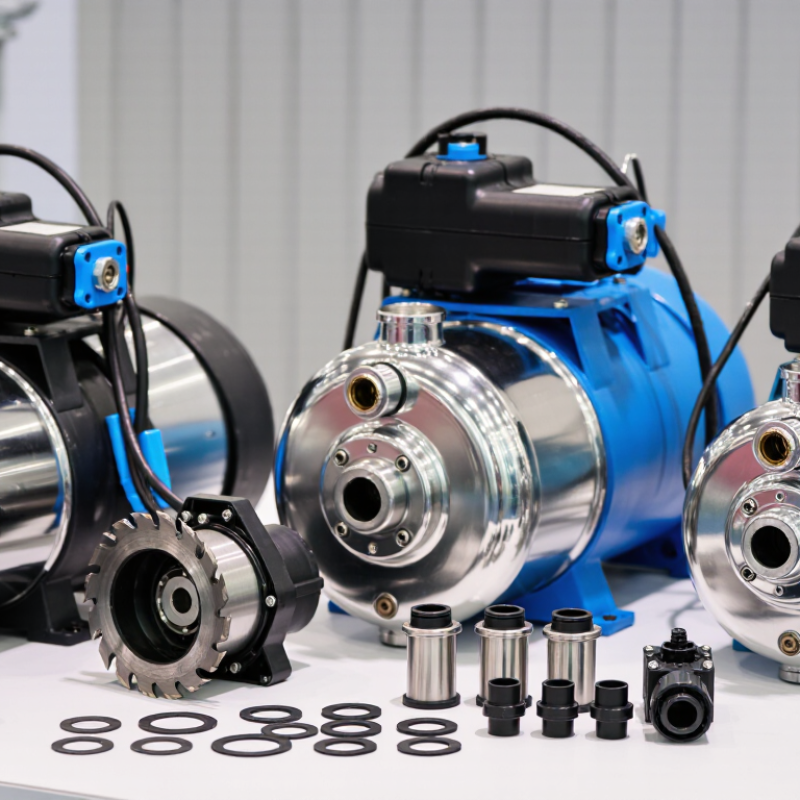
A septic pump moves wastewater from a low tank to a drain field or higher pipe. It does not treat sewage. Treatment happens inside the septic system. The pump usually sits in a separate basin after the septic tank. When wastewater reaches a set level, a float switch starts the motor. The impeller then pushes liquid through the discharge pipe. A check valve helps stop wastewater from flowing backward. When the level falls, the float switch stops the motor. Simple, but important.
When comparing septic pumps made in China, check the working conditions carefully. Motor power alone does not show real performance. Review flow rate, lifting height, outlet size, cable quality, and solids-handling ability. A non-clog impeller suits wastewater with small solids. A grinder pump may handle tougher material, but it needs more maintenance. Ask for factory test records, insulation results, and protection ratings. Stainless steel parts can resist corrosion better in harsh wastewater.
Installation affects service life as much as pump design. The basin needs enough space for the float to move freely. A blocked float can cause dry running or overflow. Thermal protection inside the motor is valuable. In field inspections, poor cable joints often caused avoidable failures. Keep it simple. Still, pump sizing is sometimes guessed from household use. That approach can waste energy and shorten motor life. Local pipe length, vertical lift, and daily inflow deserve measured attention.
Which Types of Septic Pumps Are Manufactured in China?
China manufactures several practical septic pump types for residential, agricultural, and light commercial systems. Submersible effluent pumps are widely produced for moving clarified wastewater from septic tanks to drainage fields. Their compact bodies fit narrow chambers. Many models use thermoplastic housings, cast iron motors, or stainless steel shafts. Material selection matters because wastewater can contain corrosive chemicals.
Non-clog sewage pumps are another common category. Their larger passages handle suspended solids with less blockage risk. Vortex impeller designs create space around fibrous waste. Grinder pumps add rotating cutters for difficult discharge lines, although they consume more power and need careful maintenance. These pumps suit pressure sewer systems rather than every household septic installation.
Manufacturers also produce high-head pumps for long pipes or elevated drain fields. Automatic float switches, thermal protection, and oil-filled motors are frequent features. Solar-powered and low-voltage pumps appear in remote applications, but performance depends heavily on sunlight and battery capacity. I have found that published flow rates can look impressive. Real output often falls after pipe friction and vertical lift are included. Buyers should compare duty points, not just horsepower. Certification, insulation testing, seal quality, and spare-part access deserve equal attention. A cheaper pump may perform well, but inconsistent float switches can create frustrating service calls.
What Are the Best Septic Pumps from China?
China manufactures several common septic and wastewater pump types, including effluent pumps, sewage ejector pumps, submersible sewage pumps, and grinder pumps. The chart compares typical published flow-rate ranges used for residential and light commercial applications.
The values are indicative industry ranges rather than brand-specific specifications. Actual performance depends on pump design, head height, solids size, motor power, and installation conditions.
What Features Define a High-Quality Septic Pump?
When evaluating the best septic pumps from China, specification sheets deserve careful attention. A high-quality pump should match the required flow rate, total head, and solids passage. Oversizing is not automatically safer. It can increase energy use and shorten cycling life. The U.S. Environmental Protection Agency recommends septic tank inspections about every three years and pumping every three to five years, depending on usage. This maintenance cycle makes dependable pump construction essential.
Look for a corrosion-resistant cast-iron or engineered-polymer housing, a non-clog vortex impeller, and a properly protected mechanical seal. Thermal overload protection should stop the motor before overheating occurs. A float switch, high-level alarm, and IP-rated cable entry add practical protection. Performance claims should be supported by tests aligned with ISO 9906, including measured flow, head, and efficiency. The Hydraulic Institute also emphasizes selecting pumps from verified system curves, not horsepower alone.
UN-Water reported in 2024 that 3.5 billion people lacked safely managed sanitation in 2022. That figure shows why failure prevention matters beyond the equipment room. During supplier audits, inspect winding insulation, seal assembly, cable flexibility, and factory test records. Ask for repeated performance results, not one impressive sample. Stainless fasteners may help, but they do not fix a weak seal design. Some pumps look excellent on paper. Real installations can still expose noise, clogging, or frequent float failures. Reliability needs evidence, and sometimes the evidence is incomplete.
What Are the Best Septic Pumps from China? - What Features Define a High-Quality Septic Pump?
| Pump Category |
Typical Flow Range |
Typical Total Head |
Recommended Solids Passage |
Common Power Range |
Best Application |
Key Quality Features |
| Effluent Pump |
40–150 L/min |
5–30 m |
Usually 10–20 mm; suitable for screened effluent |
0.37–1.5 kW |
Filtered septic-tank effluent and pressure distribution systems |
Corrosion-resistant housing, reliable float switch, thermal overload protection, and continuous-duty motor |
| Sewage Ejector Pump |
80–300 L/min |
5–25 m |
Typically 40–50 mm for non-screened sewage |
0.75–2.2 kW |
Residential sewage lift stations and basement wastewater systems |
Non-clog impeller, abrasion-resistant wear components, sealed bearings, and dependable automatic controls |
| Grinder Pump |
40–180 L/min |
15–60 m |
Cuts solids into smaller particles; discharge lines may be approximately 25–50 mm |
1.1–3.7 kW |
Long-distance or high-pressure sewage discharge |
Hardened cutting components, high starting torque, overload protection, and serviceable cutter assembly |
| Vortex Pump |
80–500 L/min |
5–35 m |
Commonly 40–75 mm, depending on the impeller design |
0.75–5.5 kW |
Wastewater containing fibrous material and suspended solids |
Clog-resistant hydraulic design, reduced direct contact with solids, strong shaft support, and durable seals |
| Submersible Sewage Pump |
100–1,500 L/min |
5–50 m |
Usually 50–100 mm for larger solids, subject to local system requirements |
1.5–15 kW |
Commercial, municipal, and high-volume wastewater pumping |
IP68-rated motor enclosure, oil-filled motor chamber, mechanical seal system, lifting handle, and level-control compatibility |
Important Selection Criteria:
Actual pump performance depends on pipe diameter, vertical lift, friction loss, discharge length, wastewater composition, duty cycle, and local electrical requirements. Always compare certified performance curves rather than motor power alone.
Features That Define a High-Quality Septic Pump
| Quality Dimension |
Recommended Specification or Practice |
Why It Matters |
| Hydraulic Performance |
Published flow-head curve, rated duty point, and efficiency data |
Confirms that the pump can meet system demand without excessive energy use |
| Motor Protection |
Thermal overload protection, suitable insulation system, and correct voltage/frequency rating |
Reduces the risk of overheating, electrical damage, and premature motor failure |
| Ingress Protection |
A properly sealed submersible motor enclosure, commonly specified as IP68 for continuous immersion |
Prevents water intrusion when the pump operates inside a wet well or septic tank |
| Materials |
Cast iron or stainless steel construction, corrosion-resistant fasteners, and wastewater-compatible elastomers |
Improves resistance to corrosion, abrasion, impact, and long-term wastewater exposure |
| Sealing System |
Double mechanical seals or an equivalent verified sealing arrangement |
Protects the motor from wastewater and helps prevent leakage along the shaft |
| Solids Handling |
Non-clog, vortex, or grinder design selected according to the actual solids content |
Minimizes blockages and ensures stable operation in real wastewater conditions |
| Automatic Control |
Adjustable float switch, pressure control, or compatible level sensor with manual override where required |
Supports automatic operation while reducing dry running and overflow risks |
| Testing and Documentation |
Routine electrical, insulation, leakage, vibration, and performance testing with traceable records |
Provides objective evidence of product consistency and manufacturing quality |
| Installation and Maintenance |
Accessible cable entry, replaceable wear parts, lifting provisions, and clear maintenance instructions |
Shortens service time and lowers total ownership cost |
How to Compare Chinese Septic Pump Manufacturers?
Choosing the best septic pump from China starts with comparing manufacturers, not attractive product photos.
Check each factory’s experience with sewage and septic applications. Ask for flow rate, maximum head, solids-handling capacity, motor power, and duty cycle. A pump moving 20 cubic meters per hour at low head may fail in a deep tank. Request performance curves, material specifications, and test records for the exact model.
Tips:
Compare at least three suppliers. Request a sample or video inspection. Confirm whether the impeller is cast iron, stainless steel, or engineered polymer. Ask how the motor handles frequent starts, floating debris, and long operating periods. Also inspect cable sealing, insulation class, IP protection, and float-switch reliability. Small details matter.
Reliable manufacturers should explain quality control clearly.
Look for incoming-material checks, assembly testing, electrical testing, and a documented final inspection. Certifications must match your destination market and should be verified, not simply printed on a brochure. Review warranty terms, spare-parts availability, packaging, and response times before ordering. A factory audit can reveal inconsistent machining, weak cable glands, or poor storage conditions. Do not judge production capability from one polished showroom. It can mislead. I would also compare written specifications with independent test results, because advertised performance may change under real solids loads. Clear communication is valuable, but technical evidence should carry more weight.
How to Verify Certification, Reliability, and After-Sales Support?
What Are the Best Septic Pumps from China?
A reliable septic pump starts with verified certification, not a polished catalog. WHO and UNICEF’s Joint Monitoring Programme reported that 3.5 billion people lacked safely managed sanitation in 2022. That pressure makes dependable wastewater equipment essential. Ask for the exact model’s CE or other destination-market certificate. Check its certificate number, issuing body, product scope, and validity through the issuer’s database. ISO 9001 certification supports process control, but it does not prove pump performance. Paperwork can mislead.
For reliability, request factory test records, pump curves, insulation results, IP protection ratings, and thermal-shutdown details. Confirm performance at your actual voltage and frequency. A sample test should include solids handling, repeated starts, seal leakage, and continuous operation. In practical inspections, examine the impeller, cable entry, float switch, and seal materials. A low price often hides weak seals or limited spare parts. That lesson is easy to forget.
Tips: Request two production samples, not one. Compare serial numbers, nameplates, and test data. Ask whether replacement seals, impellers, capacitors, and control parts remain available for several years. A dependable supplier should provide written warranty terms, response times, troubleshooting procedures, and technician support. Record every promise in the purchase contract. I would also request a video showing the final test, although video evidence is not enough alone. UN-Water’s 2024 SDG 6 report reinforces the wider need for measurable sanitation performance, not attractive claims.