Why Choose Cold Rolled Steel for Your Project?
Choosing the right steel can shape a project long before fabrication begins. Cold Rolled Steel is often considered when a job calls for a smooth surface, consistent thickness, and clean edges. It starts as hot-rolled steel, then passes through rollers at room temperature. This process can improve dimensional accuracy and increase strength through work hardening. The result is useful for parts such as cabinet panels, appliance housings, brackets, and formed components where fit and appearance matter.
Small details count. A flatter sheet can sit more evenly against a fixture, while a controlled thickness helps parts align during assembly. Yet these benefits do not make cold-rolled steel the best choice for every job. It may cost more than comparable hot-rolled material, and its smoother surface does not automatically provide corrosion protection. Coating, storage, and the surrounding environment still matter. Not always.
This guide explores how to weigh those trade-offs. It looks at surface finish, tolerances, strength, formability, cost, and common applications, while noting where grade and supplier specifications can change the outcome. A material name alone is not enough; check the required thickness, mechanical properties, finish, and fabrication method before ordering. Even then, a sample or trial cut can reveal issues a datasheet cannot. The choice is practical, but rarely effortless.
What Cold Rolled Steel Is and How It Is Made
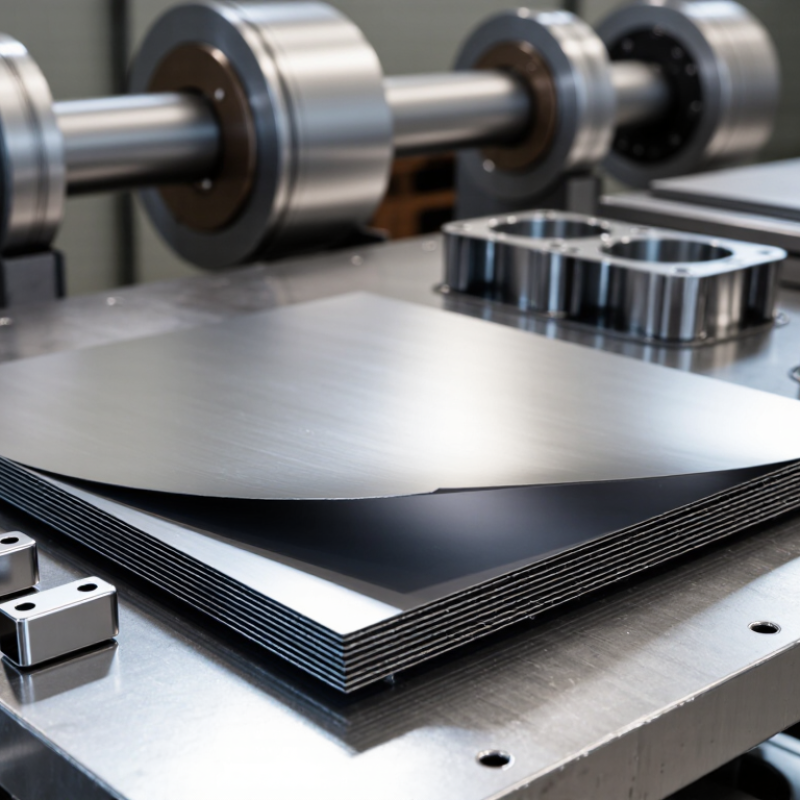
Cold-rolled steel starts as hot-rolled steel, often with surface scale removed. It is then passed through rollers at or near room temperature. The rollers squeeze the strip thinner and help create a smoother surface with tighter thickness tolerances. That makes the material useful for cabinets, appliance panels, and formed parts where fit and appearance matter. It is not a different metal grade by itself; the steel’s composition and final treatment still matter. The process also hardens the steel, which can affect how easily it bends.
During production, mills reduce thickness in controlled passes, sometimes using lubrication to limit friction and heat. The strip may be annealed to restore some ductility, then lightly rolled again for a consistent finish. It is inspected, slit or cut, and coiled for delivery. Details vary by product. That explanation is useful, but incomplete: surface finish and mechanical properties depend on the full processing route, not just the final rolling step.
Tips: Check the specified thickness, finish, and forming needs before choosing a sheet. Ask whether it is annealed if your design requires significant bending. A sample helps; drawings alone can hide a finish mismatch.
Key Properties of Cold Rolled Steel
Cold-rolled steel is valued for its smooth surface, close thickness control, and predictable forming behavior. These qualities matter when a cabinet panel must sit flush or a stamped bracket needs consistent bends. ASTM A1008/A1008M lists mechanical requirements by grade, rather than treating all cold-rolled steel as identical. For example, its Structural Steel Grade 33 specifies a minimum yield strength of 230 MPa and minimum tensile strength of 310 MPa. These are grade-specific limits, not guaranteed values for every coil. Check the material certificate and thickness before designing around them.
Cold working can raise strength and hardness, but it may reduce ductility compared with softer, lower-strength grades. That trade-off affects tight bends: a small inside radius can increase cracking risk, especially near sheared edges. The American Iron and Steel Institute’s Cold-Formed Steel Design Manual likewise emphasizes using specified material properties in design, not assumptions based on appearance. Cold-rolled sheet also offers a cleaner finish than typical hot-rolled material, but it is not inherently corrosion-proof. Moisture can still leave rust marks.
Not perfect.
For exposed parts, specify an appropriate coating and verify the surface condition; a bright sheet can still need protection.
Benefits for Project Performance and Appearance
Cold-rolled steel can improve both the visible finish and the fit of a project. After hot rolling, the steel is pickled and reduced at room temperature, producing a smoother surface and more consistent dimensions. That helps when panels meet closely, edges need clean alignment, or a painted finish will show every ripple. The difference is tangible: a cabinet door feels flatter, and a formed bracket is less likely to need last-minute adjustment. It is not magic. Tight bends still need the right grade, thickness, and tooling.
The World Steel Association’s World Steel in Figures 2024 reports 1,888.2 million tonnes of crude steel production worldwide in 2023, reflecting a large, established supply base. Its steel recycling information also estimates that about 650 million tonnes of steel are recycled annually. Those figures describe the broader industry, not the recycled content or finish of a particular coil, so ask suppliers for grade, thickness tolerances, and surface specifications. For exposed parts, check a sample under the lighting the finished product will actually use. Small scratches can look minor in a warehouse and glaring in a bright room. That detail is easy to miss.
Common Applications Across Industries
Why Choose Cold Rolled Steel for Your Project?
Common Applications Across Industries
Cold rolled steel is used where a smooth surface and consistent dimensions matter. In automotive manufacturing, it can form interior brackets, body panels, and seat components. A clean, even finish also helps paint adhere more uniformly after proper surface preparation. That matters.
Appliance makers use it for washer cabinets, refrigerator panels, and oven housings, where visible surfaces need a tidy appearance. In offices and homes, it appears in filing cabinets, shelving, desk frames, and metal furniture. Electrical enclosures are another common application, since accurately formed sheet can create neat edges and close-fitting panels. Thickness and grade still need to match the part’s loads and fabrication process.
Some construction products also use cold rolled steel, including interior framing parts and formed channels. Its dimensional consistency can simplify cutting and assembly on a busy production line. But it is not a universal upgrade. The additional processing can raise material costs, and the steel may need coating or another suitable protection when exposed to moisture. Not every time. A useful choice depends on the finished product, operating environment, and forming requirements—not just the smooth surface.
Why Choose Cold Rolled Steel for Your Project?
Common Applications Across Industries
Cold rolled steel is used where a smooth surface and consistent dimensions are valuable, including vehicle body panels, appliances, HVAC ductwork, furniture, and electrical enclosures. The ranges shown are representative examples in millimeters, not fixed specifications; actual thickness depends on the product design, grade, and application.
Factors to Consider When Choosing Cold Rolled Steel
Why Choose Cold Rolled Steel for Your Project?
Factors to Consider When Choosing Cold Rolled Steel
Choosing cold rolled steel starts with the part’s job, not just its appearance. Check the required thickness, dimensional tolerances, and surface finish against your drawings. Tighter tolerances can help parts fit together with less adjustment, but they may also affect cost and availability. Small details matter. A smooth sheet can suit visible panels, while a less demanding finish may work for hidden brackets. Ask for material specifications and inspect a sample when appearance or fit is critical.
Think about how the steel will be cut, bent, welded, and finished. A tight bend radius can cause cracking if the grade and thickness are not suitable, so confirm forming requirements before ordering. Cold rolled steel often has a cleaner surface than hot rolled material, but it is not automatically corrosion-proof. Parts exposed to humidity may need paint, plating, or another protective finish. Also compare delivery times, minimum order quantities, and the amount of scrap your cutting plan may create. A cheaper sheet is not always cheaper after fabrication. I have seen specifications become overly precise; sometimes a practical tolerance is enough.