231-941-0215 sale@namkeenmachine.com 2707 Aero Park Drive Traverse City, MI
Eng
  • Eng
  • Deu
  • Fra

What is Vacuum Pump Oil and How to Choose the Right One?

Vacuum pump oil plays a crucial role in ensuring the efficient operation of vacuum pumps. Selecting the right oil is essential for both performance and longevity. In essence, vacuum pump oil functions as a lubricant, reducing friction and wear within the pump. Moreover, it helps maintain optimal pressure levels and prevents contamination from outside elements.

When choosing vacuum pump oil, it is vital to consider numerous factors. The type of vacuum pump in use greatly influences the kind of oil required. Oil formulations can vary significantly, and not all oils are suitable for every pump. Furthermore, the operating conditions, such as temperature and pressure, can impact oil performance.

Reflecting on your choice of vacuum pump oil is key. You might find that a specific oil works well at first, but could fail over time. Regular maintenance and oil replacement contribute to your pump's efficiency. It's important to consult manufacturer specifications to avoid potential pitfalls. Selecting the right vacuum pump oil can be the difference between optimal performance and costly repairs.
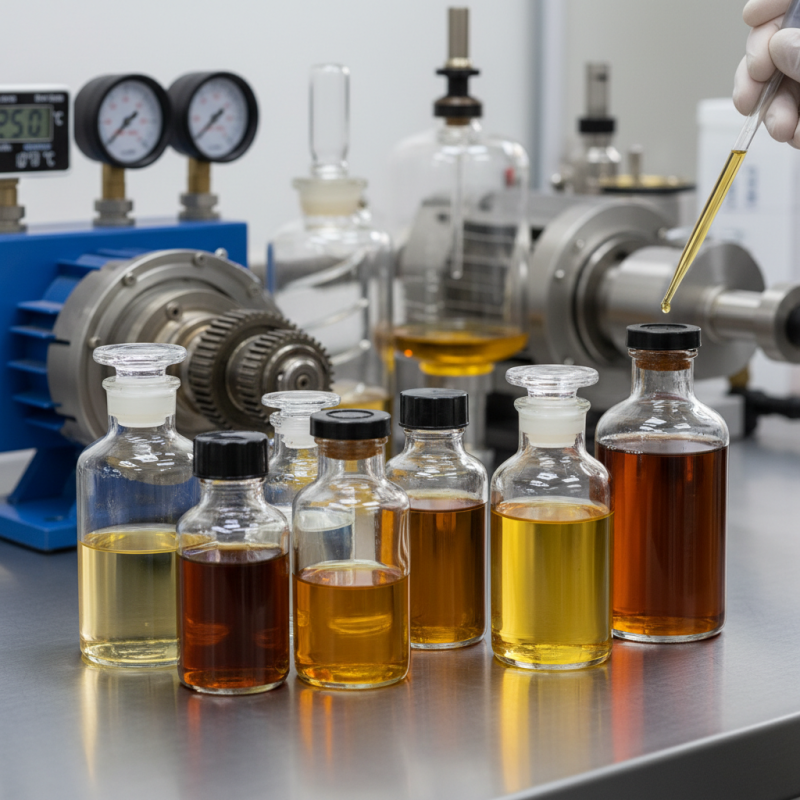
What is Vacuum Pump Oil and How to Choose the Right One?

What is Vacuum Pump Oil?

Vacuum pump oil is essential for maintaining the efficiency of vacuum systems. It serves multiple purposes: lubrication, sealing, and conducting heat away from critical components. The right oil reduces wear and tear on pumps, enhancing their lifespan. According to industry reports, using high-quality vacuum pump oil can improve performance by up to 30%.

The viscosity of vacuum pump oil is crucial. Oils are available in varying viscosities, and selecting the wrong type can lead to inefficiencies. For example, a thicker oil may not perform well in low-temperature environments, causing increased friction and energy loss. In contrast, a thinner oil might evaporate too quickly. Studies indicate that pump failures often occur due to improper oil selection, which emphasizes the need for careful consideration.

Additionally, the volatility of the oil is a significant factor. Oils with high volatility can quickly degrade in a vacuum environment, risking pump operation. Some oils are chemically stable under extreme conditions, but they may come with a higher price. It's worth noting that not all oils are created equal, leading some technicians to debate what constitutes an “ideal” vacuum pump oil. Balancing performance and cost is often a complex task.

What is Vacuum Pump Oil and How to Choose the Right One?

Type of Vacuum Pump Oil Viscosity (cSt at 40°C) Boiling Point (°C) Applications
Mineral Oil 32 350 General vacuum applications
Synthetic Oil 46 400 High-performance applications
Silicone Oil 20 300 Applications with chemical resistance
Esters 30 280 Food industry and pharmaceuticals

Types of Vacuum Pump Oils Available in the Market

Selecting the right vacuum pump oil is crucial for optimal performance. Various types of vacuum pump oils are available in the market, each with distinct properties. Mineral oils are the most common, known for their affordability and general use. These oils perform well in standard applications but may break down faster under high temperatures.

Synthetic oils offer enhanced thermal stability and are designed for demanding environments. They resist oxidation better than mineral oils, providing longer service life. A report by the Vacuum Technology Association indicates that synthetic vacuum oils can improve pump efficiency by up to 30%. This efficiency can lead to significant cost savings over time.

Some applications require special oils, such as low vapor pressure oils. These oils help maintain pressure in sensitive environments like laboratories or cleanrooms. They are less volatile, reducing contamination risks. However, they may not always be compatible with standard pumps. Always consult specifications to avoid mismatches. Consider your vacuum pump's requirements and your operational conditions before making a choice.

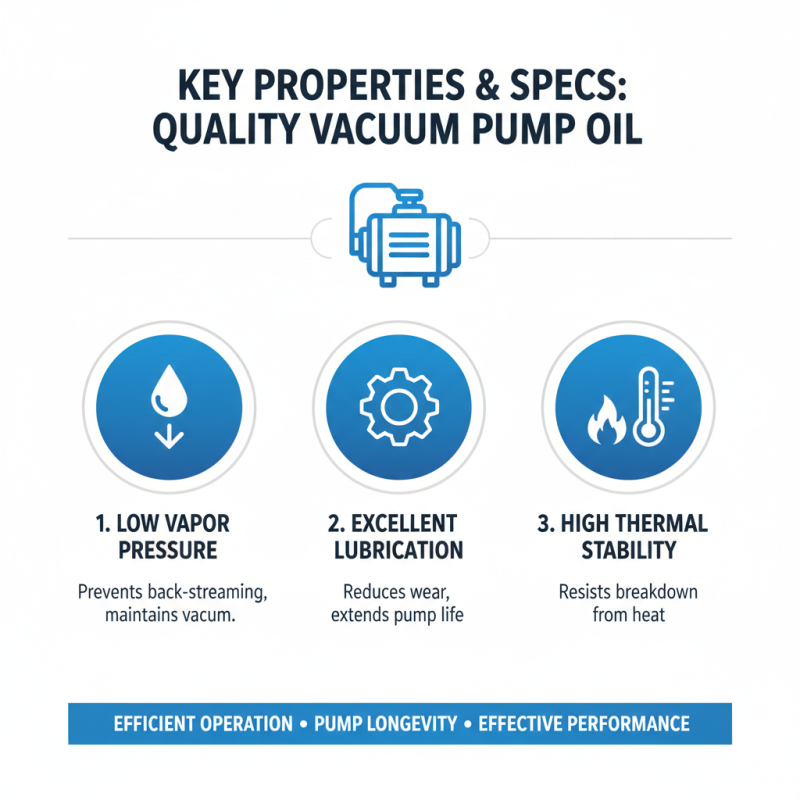
Key Properties and Specifications of Quality Vacuum Pump Oil

What is Vacuum Pump Oil and How to Choose the Right One?

Choosing the right vacuum pump oil is crucial for efficient operation. Quality vacuum pump oil has specific properties. It should have low vapor pressure, excellent lubrication, and high thermal stability. These factors ensure the longevity of your pump and effective performance.

Tips: Always check the viscosity of the oil. It impacts the pump's performance significantly. Too thick oil can obstruct flow, while too thin oil may not provide adequate lubrication.

Another key aspect is chemical compatibility. Ensure the oil is suitable for the materials in your pump. Mixing incompatible oils can lead to severe damage. Be vigilant about the manufacturer's recommendations.

Additionally, pay attention to the oil's vapor pressure. Low vapor pressure minimizes evaporation losses. This helps to maintain performance over time. Regular oil changes are necessary. They prevent contamination and ensure the pump's efficiency. Taking these steps can help avoid costly repairs in the future.

Factors to Consider When Choosing Vacuum Pump Oil

Choosing the right vacuum pump oil is crucial for optimal performance. Several factors play a role in making the best choice. One significant consideration is viscosity. Different pumps require oils with specific viscosity ratings. Always check your pump’s manual for recommendations.

Another essential factor is thermal stability. Oils need to withstand high temperatures without breaking down. Poor-quality oil can lead to pump failures. You should also consider the oil's chemical compatibility with the gases it will encounter. This prevents reactions that could damage the pump.

Tips: Always look for oils designed specifically for your type of pump. Avoid using general-purpose oils, as they may not provide the necessary protection. Regularly inspecting oil levels can help you identify when to replace it. Pay attention to any unusual noises or performance drops. These could indicate issues with the oil or pump.

Consider environmental factors too. If oil exposure to moisture is frequent, select a type with excellent moisture resistance. A pump working in a high-humidity area may require more frequent oil changes. Staying informed about these factors can greatly enhance the longevity and reliability of your vacuum pump system.

Maintenance Tips for Optimal Vacuum Pump Performance

Maintaining optimal vacuum pump performance is critical for efficiency and longevity. Regular oil checks are essential. Vacuum pump oil plays a vital role in reducing wear and preventing overheating. According to a study by the Vacuum Technology Association, improper oil selection can lead to a 25% decrease in pump efficiency.


Changing the oil at recommended intervals is vital. Contaminants and moisture can accumulate over time. This contamination can cause oxidation and sludge formation. Experts suggest that changing the oil every 500 hours of operation, or every three months, helps maintain performance. Regular inspections can prevent complications before they arise.


Monitoring oil levels is equally crucial. Low oil levels can lead to severe pump damage. Studies reveal that about 30% of vacuum pump failures result from insufficient lubrication. It's crucial to establish a routine that includes checking oil conditions and levels weekly. Consider using a vacuum gauge to ensure proper operation. A well-maintained pump enhances performance and extends its lifespan.