What is Tank Vacuum and How Does It Work?
Tank vacuum systems play a crucial role in various industrial operations. These systems are designed to efficiently remove liquids, solids, and air from confined spaces. Understanding how they work is vital for effective maintenance and safety.
A tank vacuum utilizes a powerful suction mechanism to create a vacuum. This vacuum draws in waste materials, making cleanup processes faster and safer. For example, in a manufacturing plant, a tank vacuum can quickly eliminate spills and hazardous waste. However, it’s important to follow operational guidelines to ensure user safety.
Despite their efficiency, tank vacuum systems can lead to operational issues if not maintained properly. Regular inspections are necessary to prevent failures. Users must be trained to recognize signs of wear and tear. This highlights the importance of ongoing education from experts in the field. Overall, while tank vacuums are essential tools, they require responsible use and care.
What is a Tank Vacuum?
Tank vacuums are specialized cleaning devices designed for effective liquid and solid waste removal. They are widely utilized in various industries, including manufacturing and automotive, due to their efficiency. According to a report by Grand View Research, the global vacuum cleaner market was valued at over $10 billion in 2020, with tank vacuums driving significant growth. Their versatility makes them ideal for both commercial and residential use.
The design of a tank vacuum features a large capacity container to hold waste materials. This allows users to clean extensive areas without frequent emptying. Many models incorporate powerful motors to ensure suction strength, achieving suction power levels above 120 inches of water lift. Such specifications are critical for industries demanding rigorous cleaning standards. Tank vacuums often include HEPA filters that can trap up to 99.97% of particles, enhancing air quality during operation.
Operational challenges exist, such as weight and maneuverability. Some users report difficulty in transporting heavier models over long distances, especially on uneven surfaces. Maintenance can also be a challenge; regular filter cleaning is necessary to maintain suction efficiency. Despite their strengths, users must navigate issues like tipping or spilling if not handled carefully. Overall, tank vacuums remain a reliable choice for intensive cleaning tasks, balancing convenience and performance where needed.
What is Tank Vacuum and How Does It Work? - What is a Tank Vacuum?
| Feature |
Description |
Benefits |
Common Uses |
| Suction Power |
Heavy-duty suction designed for large volumes of liquids and solids. |
Efficient removal of waste, saving time and labor. |
Construction sites, industrial cleaning. |
| Capacity |
Various sizes available, typically ranges from 30 to 1000 gallons. |
Adaptable to different job sizes and requirements. |
Waste management, water extraction. |
| Mobility |
Often equipped with wheels for easy maneuverability. |
Allows for quick repositioning across job sites. |
Use in different locations without hassle. |
| Filtration System |
Includes advanced filtration for capturing fine dust and debris. |
Improves air quality by reducing airborne particles. |
Indoor and outdoor cleanup, environmental control. |
| Cost |
Price ranges depending on size and features, typically $500 - $3000. |
Investment in efficiency and productivity. |
Commercial and residential applications. |
The Components of a Tank Vacuum System
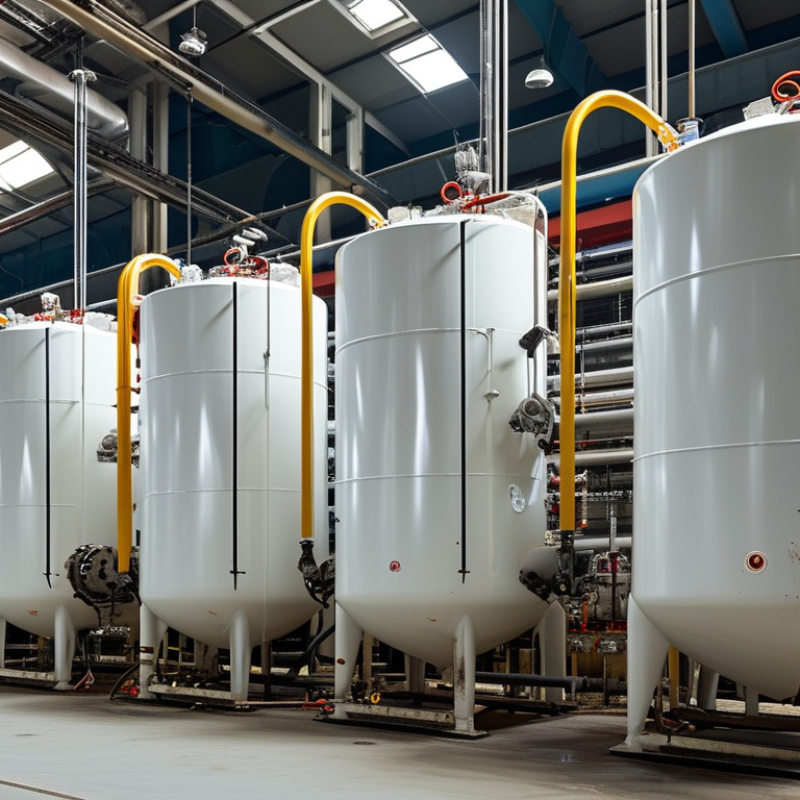
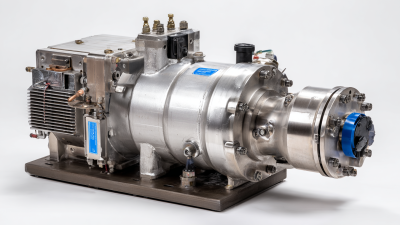
Tank vacuum systems play a crucial role in various industries. Understanding their components is essential for effective operation. At the core of a tank vacuum system is the vacuum pump. This pump generates suction, which is necessary for transporting liquids and solids from one place to another. According to industry reports, over 70% of tank vacuum applications rely on positive displacement pumps due to their efficiency in handling viscous materials.
Another key component is the vacuum tank itself. This tank is designed to hold the materials being transported. It must be durable to withstand vacuum pressure and corrosive substances. Analysts suggest that regular maintenance can extend the lifespan of these tanks, improving reliability and safety. Additionally, hoses and fittings are vital for ensuring an airtight connection within the system. Improper connections can lead to leaks, compromising effectiveness.
When utilizing a tank vacuum system, operators should be aware of potential issues. Regular inspection of hoses and seals can prevent downtime. Only use compatible materials for transport. Beware of oversizing the vacuum pump; this can lead to excessive energy use without significant benefits. Continuous learning about new technologies in tank vacuum design can inform better practices. Keeping informed contributes to a more efficient and safe working environment.
Tank Vacuum System Components Analysis
This bar chart illustrates the performance metrics of different components in a tank vacuum system. Each component is evaluated on a scale from 0 to 100, providing insights into their effectiveness and functionality.
How Tank Vacuums Operate Mechanically
Tank vacuums are specialized equipment designed for efficient liquid and solid waste removal. They operate using a suction mechanism that draws material into a holding tank. This method is beneficial in various industries, including manufacturing and construction. According to a market report from Research and Markets, the industrial vacuum market is projected to grow significantly, fueled by the increasing demand for cleanliness and safety in work environments.
Mechanically, tank vacuums utilize powerful motors to create suction. The air is drawn into the tank through a hose, which is often equipped with specialized attachments for different materials. The design allows for the separation of solids and liquids, preventing contamination. While tank vacuums can effectively manage a variety of substances, they sometimes require frequent maintenance to ensure optimal performance. Industry studies indicate that regular servicing can extend equipment life by up to 30%.
One challenge is the need for proper training in their use. Incorrect operation can lead to spills or equipment damage. Investing in comprehensive training programs can mitigate these issues, enhancing workplace safety. Reports have noted that 20% of vacuum-related accidents stem from improper handling, highlighting the importance of education in this area.
Applications of Tank Vacuums in Various Industries
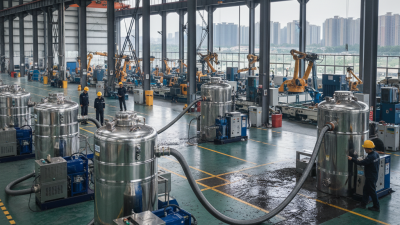
Tank vacuums play a crucial role in several industries, from manufacturing to wastewater management. According to a recent report by the Industrial Vacuum Association, the market for industrial vacuum systems is expected to exceed $1 billion by 2025. This growth indicates the increasing reliance on efficient cleaning and material handling. In the chemical industry, tank vacuums are particularly valuable. They can rapidly remove hazardous substances, ensuring worker safety while minimizing downtime.
In the food and beverage sector, tank vacuums assist in maintaining hygiene standards. They eliminate waste and residues quickly, helping companies comply with strict regulatory measures. An analysis published in the Journal of Food Engineering highlighted that efficient waste management can improve productivity by up to 30%. However, some organizations struggle to integrate these systems effectively into their operations. Execution challenges can arise from inadequate training or misunderstanding of equipment capabilities.
Moreover, the environmental benefits of tank vacuums cannot be overlooked. They reduce spills and environmental contamination. A study by the Environmental Protection Agency noted that proper industrial vacuum use can cut down waste disposal costs by 15% to 20%. However, many industries still resist adopting these technologies, often due to perceived high initial costs. Understanding the long-term savings can be a hurdle for some businesses, leading to missed opportunities for improvement.
Benefits and Limitations of Using Tank Vacuums
Tank vacuums are effective tools for industrial cleaning. They offer a range of benefits, making them popular in various settings. However, they also come with limitations that users should consider.
One major benefit is their efficiency. Tank vacuums can quickly remove large amounts of debris and liquids. They are designed for tough environments, such as construction sites. Their robust design means they can handle heavy-duty tasks. However, they can be bulky and difficult to maneuver. Users often report struggling in tight spaces. This can limit their practicality in smaller areas.
When using tank vacuums, maintenance is crucial. Regular cleaning ensures optimal performance. It’s also wise to check seals and hoses for wear and tear. Neglecting this can lead to decreased efficiency. Operators should also be mindful of safety. Protective gear is essential while using these machines. They can create messes if not handled properly. A common issue is suction loss, which can result from clogged filters. Addressing this requires careful monitoring. Proper use maximizes benefits while minimizing risks.