
231-941-0215 sale@namkeenmachine.com 2707 Aero Park Drive Traverse City, MI
Eng
  • Eng
  • Deu
  • Fra

How to Choose UHP Graphite Electrode 500mm?

Choosing a Uhp Graphite Electrode 500mm is not just a matter of matching a diameter. The electrode must suit the furnace, operating current, connection system, and production rhythm. A poor fit can cause unstable arcs, excess consumption, or avoidable delays. Small details matter.

This guide explains the checks buyers and technical teams can make before selecting a 500mm ultra-high-power electrode. It looks at graphite quality, electrical resistance, bulk density, mechanical strength, nipple compatibility, and supplier documentation. These specifications should be compared with the furnace maker’s requirements, not treated as isolated figures. Ask for current test data and clear tolerances. Verify thread dimensions and connection details against the electrode system already in use.

Real operating conditions deserve equal attention. Scrap composition, charging practice, power input, and cooling can affect electrode performance. A product that works well in one furnace may not behave the same way in another. That distinction is easy to overlook. Review consumption records, inspect past breakage, and discuss application limits with a qualified supplier. This article offers a practical framework, not a universal performance promise. Some recommendations may need adjustment after plant trials. That is worth admitting. Careful selection begins with evidence, clear specifications, and an honest view of what the process can control.
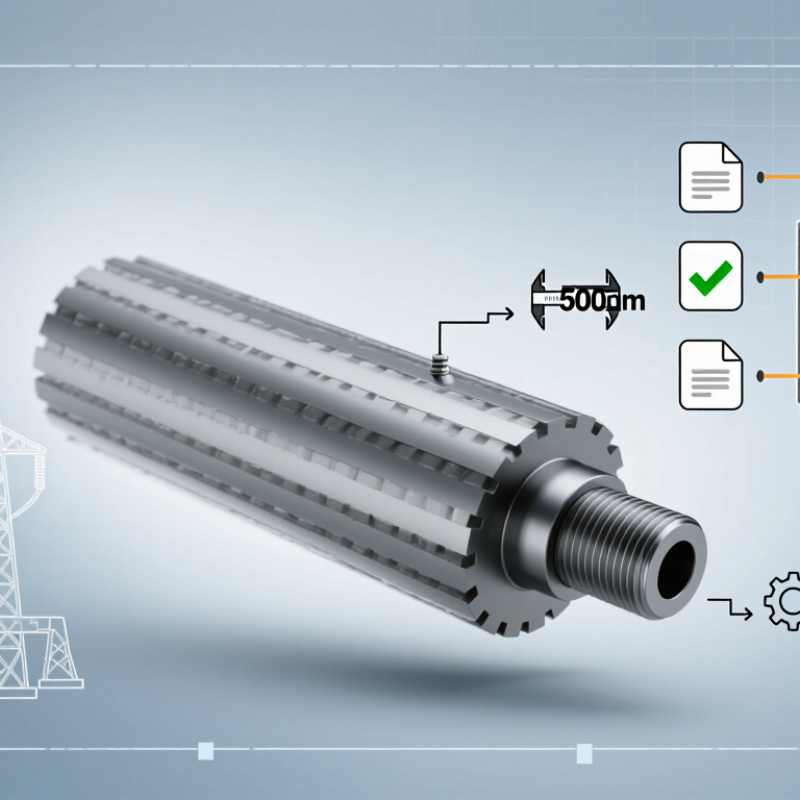
How to Choose UHP Graphite Electrode 500mm?

Understanding the Role of a 500 mm UHP Graphite Electrode

A 500 mm UHP graphite electrode carries current in high-power electric arc furnace operation. Its diameter affects current capacity, but diameter alone does not determine performance. The furnace transformer, operating current, electrode-column length, and connection design all matter. A mismatch may lead to unstable arcs, electrode breakage, or slower melting. Small details count.

The electrode also withstands intense heat and rapid temperature changes near the arc. UHP-grade material is designed for high electrical conductivity and thermal resistance, yet it is still vulnerable to oxidation and mechanical damage. Before assembly, check the nipple and socket threads for chips, dust, or uneven wear. Keep the joints clean and follow the specified tightening procedure; a loose connection can cause localized heating. Easy to overlook.

When choosing a 500 mm electrode, compare its permitted current range with actual furnace operating data, not just rated capacity. Review consumption records, breakage patterns, and the interval between electrode changes. A larger diameter may seem safer, but it may not suit the furnace’s power setup or electrode column. There is room for judgment. Have the furnace team verify fit, connection compatibility, and operating limits before ordering.

Matching Electrode Specifications to Furnace Conditions

How to Choose UHP Graphite Electrode 500mm?

Matching a 500 mm UHP graphite electrode to furnace conditions starts with the electrical load, not the diameter alone. Check transformer capacity, operating current, and the furnace’s usual power-on time. The electrode must carry the load without excessive heating at the column or threaded joints. Small details matter. Compare the furnace’s electrode consumption and breakage records with the supplier’s technical data, including resistivity, bulk density, and flexural strength. These figures help assess performance, but they do not predict it perfectly. A change in scrap mix or melting practice can alter the actual load.

Furnace geometry matters too. Confirm that the electrode column clears the roof opening and that the nipple connection suits the existing holder. Watch how the furnace behaves during charging: repeated impacts, uneven scrap, or frequent power changes can increase mechanical and thermal stress. Not always. A specification that looks ideal on paper may perform poorly under a rough duty cycle. Use recent operating data, and compare it with the electrode maker’s recommended current range and joint limits. If records are incomplete, trial the selection cautiously and track consumption, joint temperature, and breakage over several heats. The right match is specific to the furnace, and assumptions should be reviewed when operating conditions change.

Checking Key Dimensions and Performance Requirements

A 500 mm UHP graphite electrode is not defined by diameter alone. Confirm the nominal diameter, permitted tolerance, overall length, and straightness against the supplier’s drawing and purchase specification. Measure several points around the circumference; a single caliper reading can miss ovality. Check the end faces for chips and visible cracks, especially after transport.

Inspect the nipple and socket dimensions, thread profile, and fit before assembly. A mismatch can cause poor contact or damage during tightening. Use the specified gauges where available. Do not rely on appearance alone.

Performance data matters just as much. Review electrical resistivity, bulk density, flexural strength, and the recommended current range, then compare them with the furnace’s operating conditions. The safe current depends on the electrode system and process, not diameter by itself. Ask for recent test records and clarify the test method. Small detail, big difference. Keep the electrode dry and handle it gently; impact damage may be difficult to spot at first. One point worth rechecking: paperwork can look complete while the physical dimensions still vary. Inspections should cover both.

Assessing Material Quality and Manufacturing Standards

For a 500 mm UHP graphite electrode, the “UHP” label is only a starting point. Judge quality through documented properties and consistent production controls. Ask for test data covering electrical resistivity, bulk density, flexural strength, and dimensional tolerance. Compare results with the stated specification, not just a sales sheet. Confirm the grade suits your furnace’s current and connection requirements. Small mismatches matter.

Tips Check that production records cover raw material selection, baking, impregnation, graphitization, and machining. Ask which test methods were used and whether results apply to the delivered batch. Inspect the electrode and nipple for cracks, chipped edges, and damaged threads. Look closely.

Manufacturing standards should define inspection steps, measurement limits, and batch traceability, rather than rely on a certificate alone. A certificate can look convincing, yet it may not reveal variation between batches. No single test settles the question; dimensions, properties, and workmanship need to agree. Even careful checks cannot remove every risk, so record any concerns before installation.

Comparing Suppliers, Handling, and Total Operating Costs

How to Choose UHP Graphite Electrode 500mm?

Compare suppliers on more than quoted price. Request product specifications, dimensional tolerances, and recent test data for the grade offered. Check whether batches arrive with consistent diameter, sound threads, and clear identification. A sample can reveal surface cracks or machining issues, but it cannot prove long-term furnace performance. Ask how the supplier handles claims and replacement timelines. Small details matter. Delivery reliability can affect production schedules as much as electrode quality.

Tips: Store electrodes indoors, away from moisture and impacts. Use suitable lifting gear, and keep protective caps fitted until installation. Clean and inspect nipple threads before joining; even a small chip can cause trouble.

Estimate total operating cost per tonne of steel, not just purchase cost. Include electrode consumption, breakage, machining, freight, and the cost of delays. Compare figures from similar furnace conditions, since power practice and scrap mix can change consumption. Track usage over several heats rather than judging from one shift. Results vary. I would still leave room for uncertainty: furnace data is rarely perfectly comparable, and a low initial price may not stay low after handling losses and downtime.

How to Choose UHP Graphite Electrode 500mm? - Comparing Suppliers, Handling, and Total Operating Costs

Use this scorecard to compare 500 mm ultra-high-power (UHP) graphite electrode offers. Product-property figures below are indicative procurement checks, not universal acceptance limits; confirm the applicable specification, test method, and tolerances with each supplier. Operating-cost figures are calculated from your own trial and quotation data.

Comparison area What to compare Useful data or verification Why it matters
Electrode size Nominal diameter and length 500 mm nominal diameter; confirm actual diameter tolerance, length, and the electrode-to-nipple connection system against the furnace specification. Dimensional mismatch can affect holder fit, joint performance, and furnace operation.
Electrical resistivity Electrode and nipple resistivity, with test method and sampling location Request lot-specific test results in μΩ·m. UHP product targets are supplier- and specification-dependent; compare like-for-like test methods rather than relying on a grade label alone. Electrical properties influence current-carrying performance and heating at the electrode column and joints.
Bulk density and strength Bulk density, flexural strength, and test method Request guaranteed limits and recent batch certificates; compare the same sampling and test procedures across offers. These properties help assess consistency and resistance to mechanical and thermal loading.
Thermal expansion Coefficient of thermal expansion and stated temperature range Request the value, units, test method, and whether the result applies to the electrode or nipple material. Differences between connected components can contribute to joint stress during heating.
Nipple and joint quality Thread dimensions, surface condition, fit, and nipple property data Confirm compatibility with the supplied electrode system. Check threads for damage and verify that jointing instructions and protective caps are provided. Joint failures can cause breakage, downtime, and additional electrode consumption.
Quality documentation Traceability, inspection records, and nonconformance handling Request batch or lot identification, a certificate of analysis, inspection records, and a written process for reporting and resolving defects. Traceable records make incoming inspection and performance investigations more effective.
Delivery and supply reliability Lead time, shipment size, packaging, and delivery history Compare quoted lead time with actual delivery records, minimum order quantity, shipment schedule, and damage-claim terms. A low unit price may not offset production disruption or emergency replenishment costs.
Trial performance Electrode consumption, breakage, joint incidents, and furnace availability Compare results over a defined trial period using the same furnace, steel mix, operating practice, and measurement method where possible. Plant trial data is more useful for cost decisions than purchase price alone.

Safe Handling and Storage Checklist

Stage Recommended practice Check before use
Receiving and unloading Use suitable lifting equipment and the handling method specified by the supplier. Prevent impact, rolling, and contact with hard edges. Inspect packaging, electrode ends, threads, and visible surfaces; record and photograph transit damage.
Storage Store on a stable, level support in a clean, dry area. Keep threads protected and follow the supplier’s stacking and support instructions. Check for moisture, contamination, damaged thread protectors, or signs of chipping before moving stock to the furnace area.
Joint preparation Keep mating surfaces clean and dry. Use the specified jointing tools, torque procedure, and assembly instructions for the supplied system. Check threads and contact surfaces for chips, foreign material, or damage; do not force a poor-fitting joint.
Furnace operation Follow the furnace maker’s operating procedures and the electrode supplier’s guidance for column assembly, movement, and current loading. Log breakage, joint events, electrode additions, and tonnes of steel produced using consistent plant definitions.

Total Operating Cost Comparison Template

Calculate electrode-related cost per tonne of steel using measured plant consumption. Keep the calculation boundary consistent across suppliers; include transport, nipples, handling losses, and downtime only when those costs are captured consistently.

Cost component Calculation Data to enter
Delivered electrode cost per tonne of steel Delivered electrode price per metric tonne × electrode consumption (kg/t steel) ÷ 1,000 Quoted price, freight and other landed charges, and measured consumption
Nipple and joint cost per tonne of steel Nipple and joint expenditure ÷ tonnes of steel produced Nipple pricing, consumption, and production records
Breakage and handling loss Recorded loss cost ÷ tonnes of steel produced Documented breakage, rejected material, and handling damage
Downtime impact, if measured Attributable downtime cost ÷ tonnes of steel produced Plant-approved downtime costing method and verified incident records
Total electrode-related cost Sum of the consistently measured components above Compare results over a defined trial period and production basis

Selection tip: First confirm dimensional and technical compatibility, then compare traceable test data and trial performance. Select on delivered cost per tonne of steel and supply reliability—not unit price alone. Actual performance depends on furnace design, operating practice, steel mix, and the specific electrode system.