What is a Heavy Duty Pump and How Does It Work?
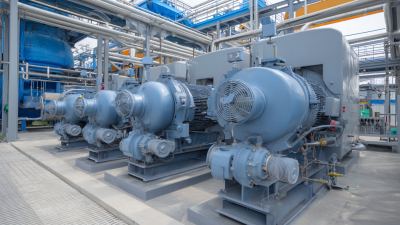
A heavy duty pump is a robust piece of machinery designed for high-performance tasks. Unlike standard pumps, these machines handle challenging conditions. They are often employed in various industries, including construction and mining. Heavy duty pumps can move large volumes of liquids, slurries, or chemicals. Their design ensures efficiency and durability, making them indispensable for demanding environments.
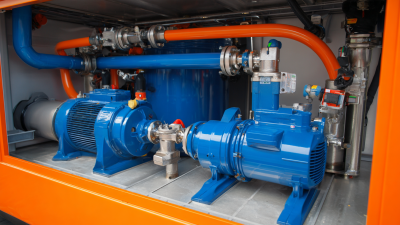
The workings of a heavy duty pump involve several key components. The pump draws liquid into a chamber and then expels it through an outlet. Various types of heavy duty pumps exist, each suited to specific applications. It is essential to select the right type based on the requirements of the job. Over time, users may notice wear or reduced efficiency, indicating a need for maintenance.
Understanding how a heavy duty pump operates can improve its lifespan and functionality. However, selecting the incorrect model or neglecting maintenance can lead to problems. Operators must reflect on their choices and monitor performance. Achieving optimal results with a heavy duty pump requires diligence and careful consideration.
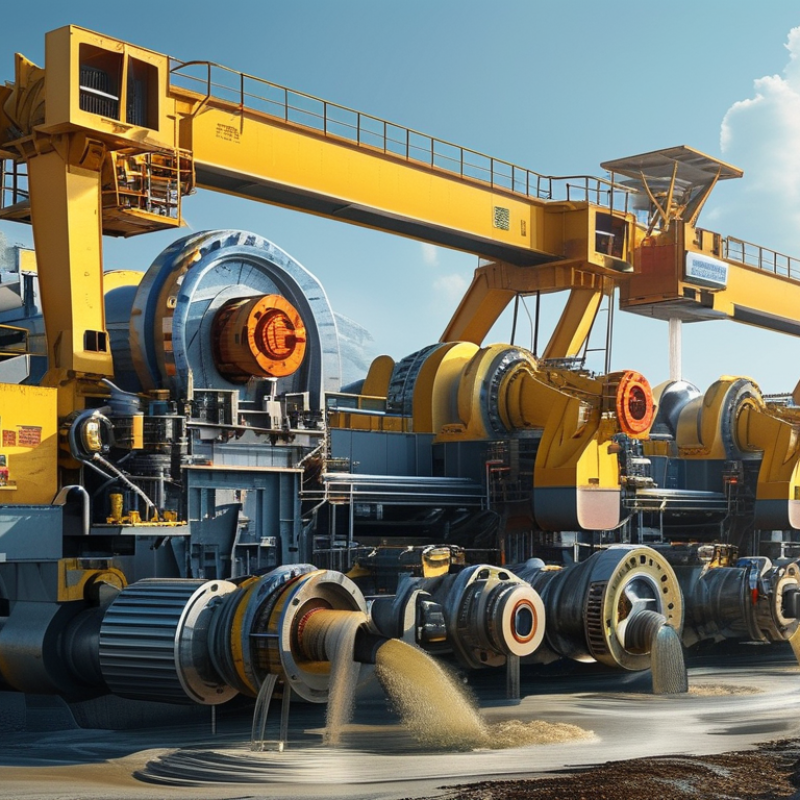
Definition of a Heavy Duty Pump and Its Key Characteristics
Heavy duty pumps are designed for demanding applications. They handle viscous fluids, slurries, and other challenging materials. These pumps often serve industries like construction, mining, and wastewater treatment. Their robust construction ensures long-lasting performance under tough conditions.
Key characteristics of heavy duty pumps include high flow rates and pressure capabilities. They typically feature strong materials that resist wear and corrosion. Many heavy duty pumps use powerful motors to maintain performance. This allows them to operate efficiently, even in extreme environments. The design often includes larger inlet and outlet sizes to accommodate heavier fluid loads.
While heavy duty pumps are reliable, they can also face challenges. Maintenance is crucial to avoid breakdowns. Regular inspections can identify wear before it leads to failure. Overlooking this can result in costly downtime and repairs. Recognizing the specific demands of your application can lead to better performance and reliability.
What is a Heavy Duty Pump and How Does It Work? - Definition of a Heavy Duty Pump and Its Key Characteristics
| Characteristic |
Description |
Typical Applications |
| Durability |
Built to withstand harsh operating conditions and extended use. |
Mining, construction, and industrial processes. |
| Capacity |
Capable of handling a high volume of fluid, often in large flow rates. |
Water treatment, flood control, and irrigation systems. |
| Material |
Constructed from corrosion-resistant metals or robust plastics. |
Chemical processing and petroleum industries. |
| Efficiency |
Engineered for optimal energy consumption while maximizing output. |
Power plants and heavy manufacturing facilities. |
| Maintenance |
Designed for easy access to components for routine checks and repairs. |
Pipelines and municipal water supply systems. |
Common Applications of Heavy Duty Pumps in Various Industries
Heavy-duty pumps are critical in various industries, handling tasks that require robustness and reliability. In construction, these pumps manage thick sludge and concrete mixtures. They are essential for dewatering sites and ensuring safe working conditions. Their durable design enables them to operate under demanding conditions, such as high pressure and abrasive materials.
In the mining sector, heavy-duty pumps transport mineral slurries that are often abrasive and corrosive. These pumps can endure harsh environments and provide efficient operation, reducing downtime. Another significant application is in the oil and gas industry.
Here, heavy-duty pumps move viscous fluids and chemicals. Their ability to handle high flow rates is crucial for maintaining operations and meeting production targets.
However, operators must consider maintenance needs. Even heavy-duty pumps require regular checks to ensure optimal performance. Ignoring these checks can lead to unexpected failures and costly repairs. Awareness of common issues can help avoid operational disruptions. Understanding the specific needs of each application is vital for selecting the right pump. This awareness ensures that the chosen pump meets both performance and reliability standards.
Mechanism of Operation: How Heavy Duty Pumps Function
Heavy duty pumps play a critical role in various industrial applications. Their robust design allows them to handle challenging tasks such as moving high-viscosity liquids and transporting abrasive materials. These pumps are built to endure harsh environments, ensuring reliable performance over extended periods. According to a report by the Global Market Insights, the heavy-duty pump market is expected to witness significant growth, driven by increasing demand in sectors like mining and wastewater treatment.
The mechanism of operation for heavy duty pumps typically involves positive displacement or centrifugal strategies. Positive displacement pumps operate by trapping a fixed volume of fluid and forcing it through the discharge line. On the other hand, centrifugal pumps utilize rotational energy from impellers to move fluid. This method is effective for transporting low-viscosity fluids and can achieve high flow rates. Understanding the specific requirements of your application is essential for selecting the right type of pump.
**Tips:** When choosing a heavy duty pump, consider the fluid's density, viscosity, and chemical properties. Proper installation and maintenance are crucial. Regular inspections can help identify potential issues before they escalate. Be aware that even the best pumps may have limitations, and recognizing these can prevent unforeseen breakdowns.
Heavy Duty Pump Performance by Capacity
This chart illustrates the performance of heavy duty pumps across different capacities, showcasing their efficiency and effectiveness in various applications.
Materials and Design Features for Durability and Efficiency
Heavy-duty pumps are built to last. The materials used in their construction play a crucial role in their durability. Common choices include stainless steel, ductile iron, and high-grade plastics. These materials resist corrosion, wear, and extreme temperatures. For example, stainless steel offers excellent resistance to rust and contaminants. Meanwhile, ductile iron provides strength without significant weight, allowing for efficient operation.
Design features also enhance pump efficiency and lifespan. Many heavy-duty pumps feature reinforced casings and specialized impellers. These components are designed to handle high pressures and abrasive materials. Moreover, advanced sealing technologies prevent leaks and reduce maintenance. However, over time, even the best designs can wear down. Regular inspections and maintenance are essential. Ignoring wear can lead to costly repairs and inefficiencies.
Incorporating innovative features can be a double-edged sword. While advanced technologies improve performance, they can complicate repairs. Mechanics may need specialized training to manage these systems. It's vital to weigh the benefits and challenges of these innovations. Ultimately, heavy-duty pumps should be reliable and manageable, balancing efficiency with ease of maintenance.
Maintenance Practices for Ensuring Long-Term Performance of Heavy Duty Pumps
Maintaining heavy-duty pumps is crucial for their longevity. Regular inspections can prevent minor issues from escalating. Checking seals, bearings, and connections is a good start.
Small leaks can indicate larger problems. Address them promptly to avoid breakdowns.
Cleaning the pump regularly helps maintain efficiency. Remove debris that may clog filters and impair performance. Dust and dirt can lead to overloading. Ensure the motor and electrical components are dust-free too. Frequent cleanings are vital, particularly in harsh environments.
Lubrication is often overlooked yet critical. Regularly check the lubrication of moving parts. Inadequate lubrication can cause wear and tear. Over time, this may lead to pump failure.
Documenting maintenance practices can pinpoint patterns over time. Reflecting on past issues helps develop smarter maintenance strategies.