
231-941-0215 sale@namkeenmachine.com 2707 Aero Park Drive Traverse City, MI
Eng
  • Eng
  • Deu
  • Fra

What Is a Cordless Lawn Mower and How Does It Work?

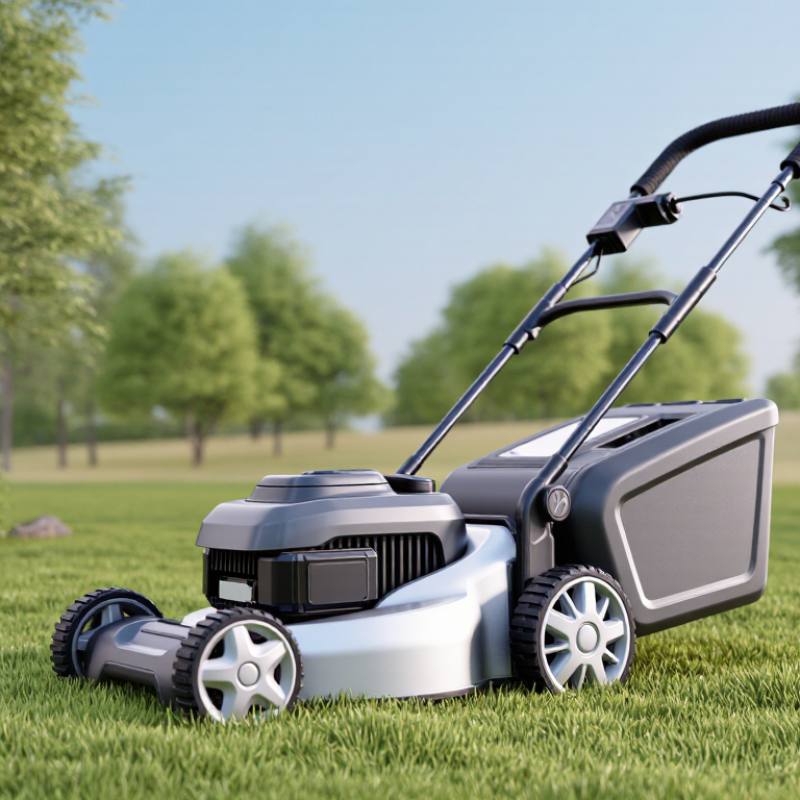
A Cordless Lawn Mower is a battery-powered machine designed to cut grass without a petrol engine or power cable. It uses a rechargeable battery, an electric motor, and a rotating blade beneath the cutting deck. When you press the safety control, electrical energy moves from the battery to the motor. The motor then spins the blade at high speed, trimming grass into fine pieces or collecting it in a rear bag.

The process is quieter and cleaner than using many traditional petrol mowers. It also removes the need to store fuel, mix oil, or manage a trailing cord. However, cordless does not mean unlimited. Battery capacity, grass height, cutting width, and terrain affect mowing time. Wet or dense grass may drain the battery faster. A steep garden can also expose weaknesses in a lightweight model.

Battery technology has improved, but no mower suits every yard. Small lawns may need only one charge. Larger areas might require a spare battery or a higher-capacity system. From practical use, balanced wheels and an adjustable handle can matter as much as motor power. I once underestimated that detail. An uncomfortable handle made a simple mowing task feel unnecessarily tiring.

This guide explains the main components, operating process, benefits, and limitations of cordless lawn mowers. It also considers charging habits, blade maintenance, safety controls, and realistic performance. The goal is not to praise every model. It is to help readers choose and use one with clearer expectations.
What Is a Cordless Lawn Mower and How Does It Work?

Cordless Lawn Mower Definition Under ANSI/OPEI B71.1 Safety Standards

What Is a Cordless Lawn Mower and How Does It Work?

A cordless lawn mower is a battery-powered mower without an external power cable. Its rechargeable battery sends electricity to a motor, which turns the cutting blade beneath the deck. The operator guides the mower using a handle and controls its travel, blade engagement, and sometimes speed.

Under ANSI/OPEI B71.1, cordless operation is not a separate safety category by itself. The standard addresses applicable safety features for covered consumer turf-care equipment, including walk-behind mowers. These features can involve blade control, operator presence, guarding, discharge protection, and warning information. A compliant design should reduce hazards when the handle is released or a control is disengaged. Exact requirements depend on the equipment’s configuration. That detail matters.

In practical use, the battery should lock firmly into its compartment, and the blade should stop before clearing grass clippings. Users should inspect the deck, handle, and discharge area before each session. A label alone does not prove complete safety. I have seen how rushed maintenance creates avoidable risks, especially when damp grass hides debris. The standard offers a technical framework, not a substitute for reading the mower’s instructions or checking local requirements.

Tips: Charge the battery in a dry, ventilated place. Remove the battery before cleaning or servicing. Keep hands away from the blade area, even when the mower appears quiet. Forgetting that last step is an easy mistake.

Cordless Lawn Mower Operating and Safety Sequence

A cordless lawn mower uses a rechargeable battery to power an electric motor and blade without a power cord or onboard gasoline engine. The sequence below presents logical operating states: 1 means the condition is active or required at that stage, while 0 means it is inactive. Under ANSI/OPEI B71.1 safety principles, releasing the operator control is intended to stop blade rotation.

Battery Power Systems: How 18–80 V Packs Drive Brushless Motors

What Is a Cordless Lawn Mower and How Does It Work?

A cordless lawn mower stores energy in a rechargeable battery pack, usually rated from 18 to 80 volts. Voltage describes electrical pressure, while amp-hours indicate stored capacity. A 40 V, 5 Ah pack provides roughly 200 watt-hours under nominal conditions. Actual output changes with grass height, moisture, blade sharpness, and temperature.

Inside the mower, a battery management system monitors current, voltage, and heat. It sends controlled power to a brushless motor through electronic switching. Unlike brushed motors, brushless designs use sensors and circuit timing instead of physical brushes. This reduces contact wear and supports precise speed control. Higher-voltage packs can deliver the same power with less current. That may reduce cable heating and improve efficiency. However, voltage alone does not guarantee longer runtime. A larger battery stores more energy, but it also adds weight.

The International Energy Agency reported that global lithium-ion battery pack prices averaged 139 dollars per kilowatt-hour in 2023, down 14% from 2022. BloombergNEF’s 2023 Battery Price Survey reported a similar industry trend. These figures describe broad battery markets, not lawn mower packs, so direct comparisons need caution.

Tips: Match voltage with the mower’s motor system. Check watt-hours, not voltage alone. Keep blades sharp. Wet grass can sharply increase motor load. I treat advertised runtime as a test condition, not a promise. That distinction matters. A cooling pause may protect the pack during dense, damp mowing.

Cutting Mechanics: Blade Speed, Deck Width, and Grass Collection

A cordless lawn mower uses a rechargeable battery to power an electric motor. The motor spins a blade beneath the cutting deck. Unlike a petrol mower, it produces no exhaust during operation. The motor also adjusts its output when grass becomes thicker. This helps preserve cutting performance, although battery life can drop quickly in damp, tall grass.

Blade speed affects both cut quality and energy use. A faster blade usually creates a cleaner cut, but it demands more power. The deck width determines how much grass the mower cuts in one pass. A wide deck covers open lawns efficiently. A narrower deck moves more easily around trees, borders, and tight corners. Bigger is not always better. My first assumption was wrong there.

Grass collection depends on airflow beneath the deck. As the blade rotates, it lifts clippings and directs them toward the collection bag. A well-shaped deck helps fill the bag evenly instead of blocking the outlet. Fine, dry clippings usually collect smoothly. Wet clippings may stick together and reduce airflow. I check the bag before it becomes completely full. It keeps the mower balanced and prevents avoidable strain. The cut feels clean.

What Is a Cordless Lawn Mower and How Does It Work? - Cutting Mechanics: Blade Speed, Deck Width, and Grass Collection

Data Dimension Typical Data or Range How It Works Practical Effect on Mowing
Power source Rechargeable lithium-ion battery, commonly 36–80 V nominal system voltage The battery supplies direct current to an electric motor. An electronic controller regulates motor speed according to operating conditions. There are no fuel, spark-plug, or engine-oil requirements. Cutting performance depends on battery charge, grass density, and blade load.
Blade operating speed Approximately 2,800–3,500 revolutions per minute under normal cutting conditions The motor rotates the blade around a vertical shaft. The blade’s sharpened edges cut grass as they sweep through the cutting deck. Higher speed can improve cutting consistency and airflow, but it may increase noise, energy use, and blade wear.
Blade-tip speed Roughly 160–220 miles per hour, depending on blade length and rotational speed Tip speed is determined by both blade rotation and the distance from the blade center to its cutting tip. A longer blade can cover more ground per revolution, while excessive speed can increase power consumption and airborne debris.
Cutting deck width Common residential widths: 16–22 inches, or approximately 41–56 cm The deck houses the blade and determines the width of grass removed in one pass. A wider deck reduces the number of passes on open lawns, while a narrower deck is easier to maneuver around trees, beds, and narrow gates.
Cutting height adjustment Usually about 1–4 inches, or approximately 25–100 mm Levers or a central adjustment mechanism raise or lower the deck or wheel positions relative to the ground. Higher settings are generally suitable for heat or drought conditions; lower settings create a shorter finished lawn but can stress grass if used excessively.
Grass collection capacity Typically 40–70 liters, approximately 1.4–2.5 U.S. bushels The rotating blade creates airflow that lifts clippings and moves them through a discharge channel into a fabric or plastic catcher. A larger catcher reduces emptying stops, but it adds weight and may become difficult to handle when filled with wet grass.
Discharge and mulching options Rear collection is common; side discharge and mulching are also widely used A collection chute directs clippings into the catcher. A mulch plug blocks the discharge path so the blade can recut clippings into smaller pieces. Collection provides a tidy finish, while mulching returns finely cut organic material to the lawn when mowing conditions are dry and manageable.
Automatic load response Motor speed may increase when the blade encounters thick or tall grass Sensors and electronic controls can adjust electrical output to help maintain blade rotation under changing load. The mower can reduce bogging in dense patches, although sustained heavy cutting consumes battery energy more quickly.
Typical mowing runtime Approximately 25–60 minutes per charge in many residential conditions Runtime is determined by battery energy capacity, blade load, mowing speed, grass height, terrain, and whether self-propel drive is active. Short, dry grass on level ground generally permits more coverage than wet, tall, thick, or sloped grass.
Mowing speed and coverage Typical walking pace: about 2.5–3.5 miles per hour; practical coverage varies widely The mower advances while the blade cuts a strip equal to the effective deck width, with some overlap between passes. Slower movement and moderate overlap can improve cut quality, especially in dense grass, but they increase total operating time and energy use.

Note: Actual specifications vary by mower design, blade size, battery capacity, grass type, terrain, and operating conditions.

Runtime Factors: Battery Capacity, 30–60 Minute Use, and Recharge Cycles

What Is a Cordless Lawn Mower and How Does It Work?

A cordless lawn mower uses a rechargeable lithium-ion battery instead of petrol. The battery powers an electric motor, which spins the cutting blade. Most household models provide about 30–60 minutes of mowing time. That range sounds simple, but grass height, moisture, blade sharpness, and cutting width change the result quickly.

Battery capacity matters more than voltage alone. A 40-volt, 5-amp-hour battery stores about 200 watt-hours. This follows the standard energy calculation described by the U.S. Department of Energy’s Energy Storage Grand Challenge Roadmap.

If a mower draws 400 watts, its theoretical runtime reaches 30 minutes. Real mowing loses energy through resistance, uneven grass, and battery protection. My practical estimate would be closer to 22–27 minutes.

Conditions matter.

Recharge cycles also affect long-term performance. The same Department of Energy roadmap identifies cycle life and retained capacity as key battery measures. Many lithium-ion systems use 80% retained capacity as an end-of-life reference point. That does not mean the battery suddenly stops working. It may simply deliver shorter sessions.

A 2024 Consumer Reports buying guide also emphasizes matching battery capacity with yard size, rather than trusting advertised runtime alone.

A second battery can reduce interruptions, but it raises cost and storage needs. Charging after every short cut may also waste time.

I would recharge before storage, avoid extreme heat, and inspect the blade regularly. Runtime claims are useful, but they are not promises.

Safety Controls: Blade Brakes, Interlocks, and IEC 60335-2-77 Requirements

What Is a Cordless Lawn Mower and How Does It Work?

A cordless lawn mower uses a rechargeable battery to power an electric motor and cutting blade. Unlike a petrol mower, it has no fuel tank or exhaust system. Safety controls are central to its design, especially during starting, turning, and maintenance.

A blade brake should stop the blade quickly when the operator releases the control bar. The motor may also stop, but the blade must not continue spinning freely. Interlocks help prevent accidental starting. For example, the mower may require a safety key, a control button, and a correctly fitted battery.

IEC 60335-2-77 addresses safety requirements for pedestrian-controlled electric lawnmowers. It covers controls, guarding, electrical protection, and stopping performance. Compliance should be confirmed through proper testing, not assumed from appearance.

Tips: Remove the battery before clearing wet grass or touching the blade. Check that the control bar springs back smoothly. Test the stop function in an open area. Keep both hands on the controls. Never bypass an interlock, even for a quick cut. The easy mistake is trusting a silent motor. A blade can still move briefly. Reflect on your routine after every use; small shortcuts can become unsafe habits. Manufacturers and test laboratories should verify the mower against the applicable IEC edition and local requirements._久久爱