How to Choose the Right Oil Vacuum Pump for Your Needs?
Choosing the right oil vacuum pump can be a daunting task. With a myriad of options available, it’s easy to feel overwhelmed. An oil vacuum pump plays a crucial role in various industries. It aids in the extraction of oil from tanks, machines, and other systems, ensuring efficiency and cleanliness.
Understanding your specific needs is vital. Different applications require different types of pumps. Some pumps are designed for heavy-duty tasks, while others suit lighter applications. It’s essential to consider factors like capacity, size, and power efficiency.
Many users often overlook maintenance when selecting an oil vacuum pump. Regular upkeep can ensure longevity and consistent performance. Evaluating the manufacturer's reputation can offer valuable insight into product reliability. Ultimately, a well-chosen oil vacuum pump can enhance productivity while minimizing operational hiccups.
Understanding the Basics of Oil Vacuum Pumps
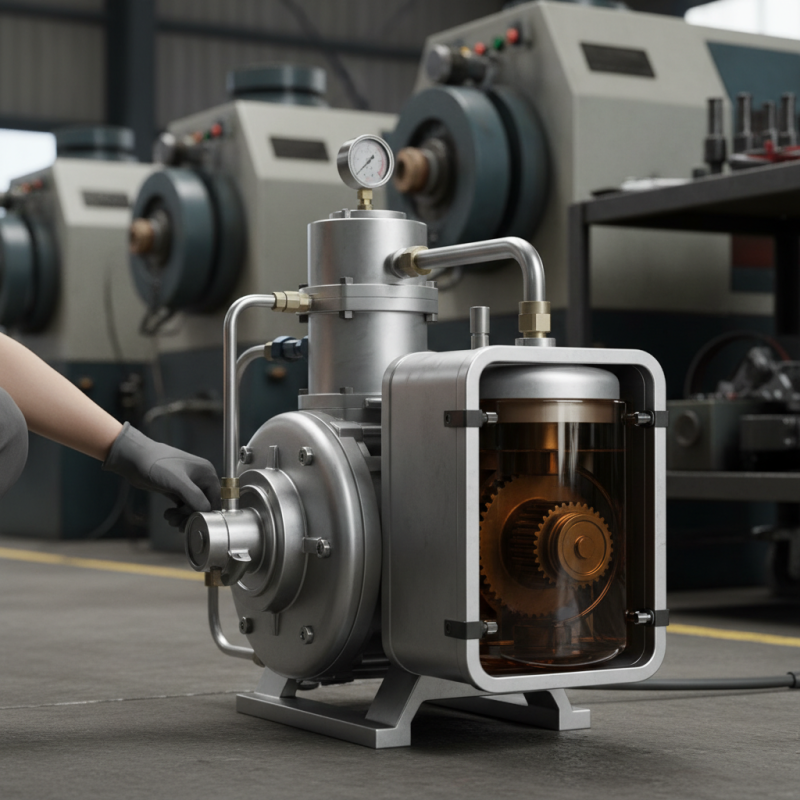
Oil vacuum pumps are essential tools in various industries, from automotive to manufacturing. They help create a vacuum environment by removing air and gases from a system. Understanding how these pumps work is crucial for selecting the right one. They differ in design and application. There are rotary vane, diaphragm, and scroll pumps. Each type serves specific needs.
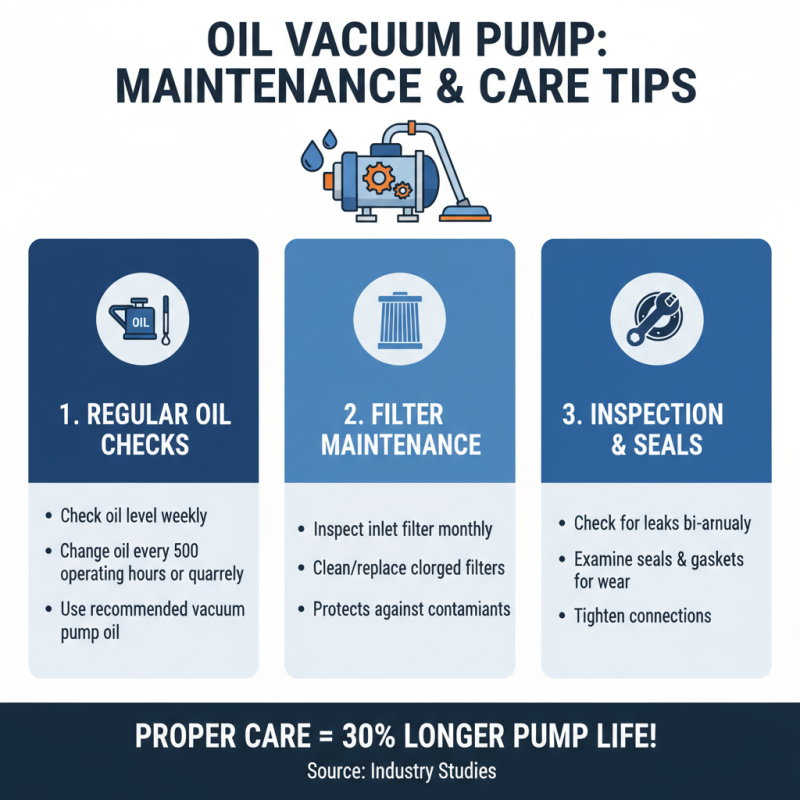
When choosing a pump, consider the desired vacuum level and flow rate. Determine the application type, as some processes require deeper vacuums. Investing time in research is vital. Some users may overlook maintenance, leading to inefficiencies. Proper maintenance extends the pump's lifespan. Knowing the common failures can save costs. Users should also reflect on their unique requirements.
Make sure to assess the pump’s noise level if working in a confined space. Noise can be distracting, and choosing a quieter option might be necessary. Additionally, review energy efficiency. An efficient pump reduces operational costs. Weigh pros and cons based on your specific needs and the environment where the pump will reside. It is essential to engage in thorough research, as every detail counts when making a choice.
Vacuum Level Comparison of Oil Vacuum Pumps
This chart illustrates the vacuum levels achieved by various types of oil vacuum pumps, helping you to choose the right one based on your needs.
Factors to Consider When Choosing an Oil Vacuum Pump
Choosing the right oil vacuum pump requires careful consideration of several key factors. Assessing the pump's capacity is essential. Capacity needs vary based on the specific application and volume of oil to be handled. A pump with insufficient capacity can lead to inefficiencies and prolonged processing times.
Next, consider the type of oil you will be working with. Different oils require different pump designs. For instance, high-viscosity oils may necessitate specialized pumps for optimal performance. Additionally, look at the required vacuum level for your operations. Some applications may demand a high vacuum, while others may function adequately with lower levels.
Durability is another important factor. An oil vacuum pump should withstand frequent use without significant wear. Choosing a robust design can minimize repair costs over time. Lastly, think about maintenance requirements. Pumps that are easier to maintain and service can save you time and effort, but they might not always offer the best performance. Balancing these aspects is important, as overlooking any of them might cause regret later on.
Comparing Different Types of Oil Vacuum Pumps
When selecting an oil vacuum pump, it’s essential to compare different types. Two key categories are rotary vane and diaphragm pumps.
Rotary vane pumps are known for their reliability and high efficiency. They work well in various environments and can handle larger volumes of oil. They are often used in industrial applications, making them a popular choice among professionals.
Diaphragm pumps, on the other hand, have unique benefits. They offer a more compact design and are less prone to contamination. This makes them suitable for sensitive operations, like laboratory tasks. However, they may not handle large volumes as well as rotary vane pumps. Each type has its strengths and weaknesses, and finding the right fit requires careful consideration.
It’s crucial to analyze your specific needs. Evaluate the viscosity of the oil and the required vacuum level. Consider the available space for installation as well. Sometimes, users might overlook maintenance and noise levels. These factors can significantly affect daily operations. Balancing these aspects ensures you choose a pump that meets your operational requirements effectively.
Evaluating Performance Specifications and Features
Choosing the right oil vacuum pump can be a complex task. Evaluating performance specifications is crucial. Look for pump capacity, which indicates how much oil it can process. Consider the vacuum level; lower numbers often mean stronger pumps. If the pump operates efficiently, less energy is consumed, which can save you money.
Features like portability and ease of use matter as well. A lightweight design can improve handling and mobility. Noise levels could also impact your work environment; quieter models are often preferable for sensitive settings.
Not all pumps are built the same. Some may lack essential features that suit specific tasks. Researching user reviews often reveals insights into long-term reliability and performance. Engaging with experts can provide further clarity on what's best for your needs. Your choice should reflect both current tasks and future projects.
How to Choose the Right Oil Vacuum Pump for Your Needs?
| Feature |
Specification 1 |
Specification 2 |
Specification 3 |
| Ultimate Vacuum (mbar) |
0.5 |
1.0 |
0.7 |
| Pump Speed (m³/h) |
10 |
20 |
15 |
| Power Consumption (W) |
500 |
800 |
600 |
| Noise Level (dB) |
55 |
60 |
58 |
| Weight (kg) |
15 |
20 |
18 |