How to Choose the Right Blower Pump for Your Needs?
Choosing the right blower pump is crucial for various applications. A blower pump can enhance efficiency and performance in different settings. Understanding your specific needs is essential before making a purchase.
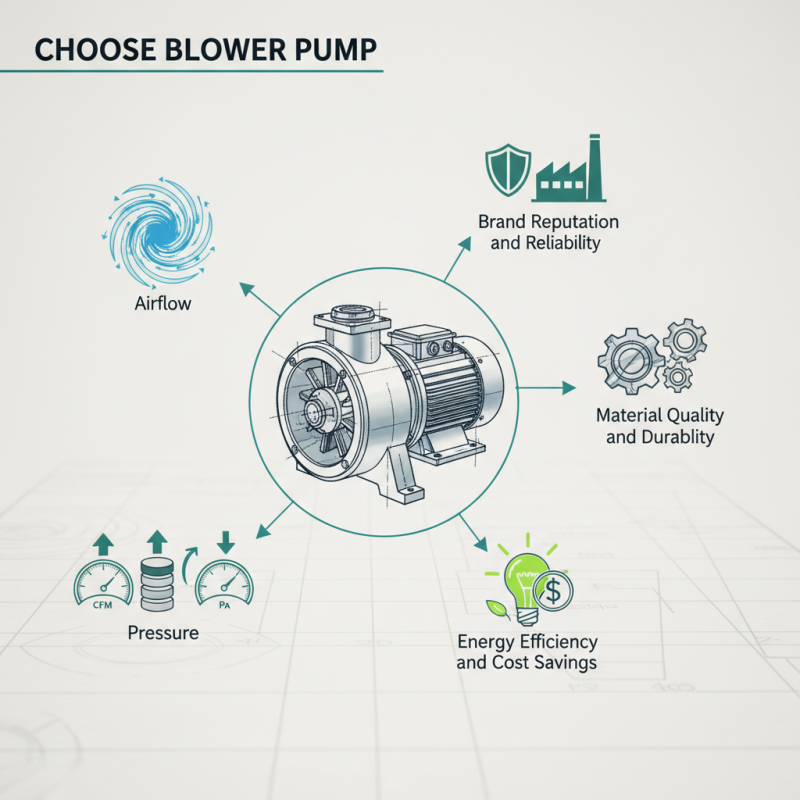
Consider factors like airflow requirements and pressure ratings. These aspects directly impact the pump's effectiveness. Additionally, the materials used in construction matter. They affect durability and maintenance needs over time. A blower pump made from high-quality materials may perform better and last longer.
It's also wise to evaluate energy consumption. An efficient blower pump should save on operational costs. Look for models with certifications that indicate low energy usage. Finally, consider the brand's reputation. Established manufacturers often provide better support and reliability. Remember, each blower pump has unique features. Reflect on what best meets your requirements.
Understanding Blower Pumps and Their Applications
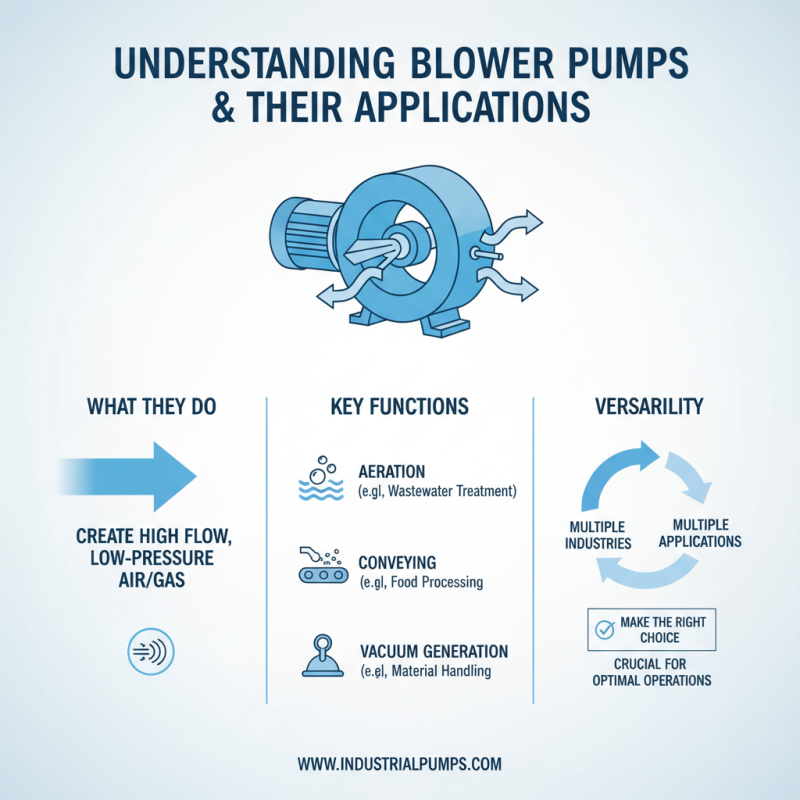
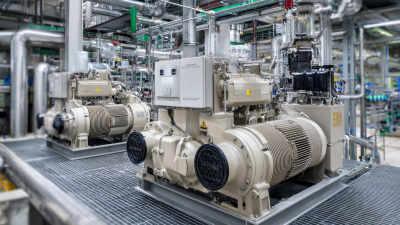
Blower pumps are crucial in various industries, from wastewater treatment to food processing. They create a high flow of air or gas at low pressure. Understanding these applications can guide you to make the right choice. Their versatility allows them to serve multiple functions, such as aeration, conveying, and vacuum generation.
Selecting the right blower pump depends on your specific requirements. For instance, consider flow rate and pressure. Some pumps excel in high flow situations, while others perform better at lower pressures. Reflecting on your needs is essential. Are you maximizing efficiency? Are you meeting safety standards?
The installation environment also matters. Dusty or wet environments may require durable options. User feedback can help pinpoint reliability. Understanding these factors will enhance your project's success. Take your time to evaluate the options. It’s a decision that impacts performance and longevity.
Key Factors to Consider When Choosing a Blower Pump
Choosing the right blower pump involves several key factors. Understanding the specific requirements of your application is crucial. Consider the air flow rate you need. This number can vary widely depending on your project. Insufficient air flow can lead to performance issues.
Another vital aspect is the pressure rating. Ensure that the blower pump can handle the pressure range of your application. It's not uncommon to underestimate this requirement. Test conditions may differ from actual operating conditions, leading to potential oversights.
Durability and maintenance needs also matter. Blower pumps operate in demanding environments. You should evaluate the materials used in construction. Corrosion resistance and wear factors impact the longevity of your equipment. Reflecting on these elements will guide you in making a more informed choice.
Differences Between Various Types of Blower Pumps
When selecting a blower pump, understanding the differences between various types is crucial.
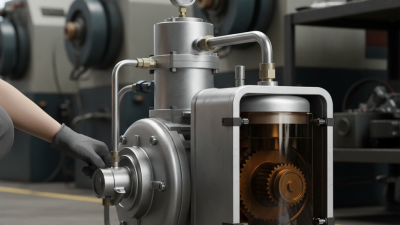
Positive displacement pumps are known for their reliability. They excel in high-pressure settings. This makes them ideal for consistent air supply, particularly in pneumatic conveying applications.
On the other hand, centrifugal blower pumps offer high flow rates. They work best in low-pressure situations where volume is a priority.
This can be useful in cooling or ventilation processes.
Another key difference lies in their operation.
Positive displacement pumps use a fixed amount of air per cycle. This results in steady output, which is beneficial for specific tasks.
However, if the demand fluctuates, these pumps may cause pressure spikes.
Centrifugal pumps can adapt quickly to varying demands. But they might struggle with efficiency at low flow rates.
It's also essential to consider maintenance.
Positive displacement pumps have simpler mechanisms. This can lead to easier maintenance routines.
However, the design may require more frequent checks if the system is under constant pressure.
Centrifugal pumps, while typically more efficient, can have complex parts. This means repairs can be more time-consuming.
Choosing the right pump requires a comprehensive understanding of these nuances.
Assessing Performance Metrics and Specifications
When selecting a blower pump, understanding performance metrics is essential. Key specifications include flow rate, pressure, and efficiency. A study by the Blower Equipment Institute states that the flow rate influences how quickly materials are moved. A higher flow rate can enhance productivity in many applications. However, it's vital to balance this with adequate pressure to avoid damaging the materials being transported.
Another important metric is efficiency. The American Society of Mechanical Engineers emphasizes that the most efficient pumps often have lower operational costs over time. This translates to significant savings, especially in high-usage scenarios. For example, a blower pump operating at 75% efficiency can reduce energy consumption by 20% when compared to a unit only running at 55%.
Noise level is also a crucial consideration. Some blower pumps can produce high decibel levels that may not meet workplace safety standards. Potential buyers should evaluate noise output and assess implications for employee health. Reflecting on these metrics will help inform decisions about the right blower pump for diverse applications.
Balancing performance with operational needs is key for long-term satisfaction.