How to Choose the Best Wafer Roll Machine for Your Business?
The demand for wafer roll products is on the rise. Recent industry reports indicate that the global wafer market is expected to grow at a CAGR of 7.5% from 2023 to 2028. This growth presents significant opportunities for businesses. However, choosing the right Wafer Roll Machine can be challenging. Many companies struggle with this crucial decision.
A quality wafer roll machine can greatly impact production efficiency and product quality. It is essential to evaluate several factors, including capacity, technology, and durability. A well-chosen machine can enhance your product line and reduce costs. On the other hand, a poor choice may lead to operational inefficiencies.
Investing in the right equipment is not always straightforward. It’s vital to conduct thorough research and consider customer reviews. Each business has unique needs, and what works for one may not suit another. Many manufacturers fall into the trap of overestimating their requirements. This oversight can lead to underperformance. By taking a tailored approach, you can ensure your Wafer Roll Machine meets your specific demands.
Factors to Consider When Selecting a Wafer Roll Machine for Production
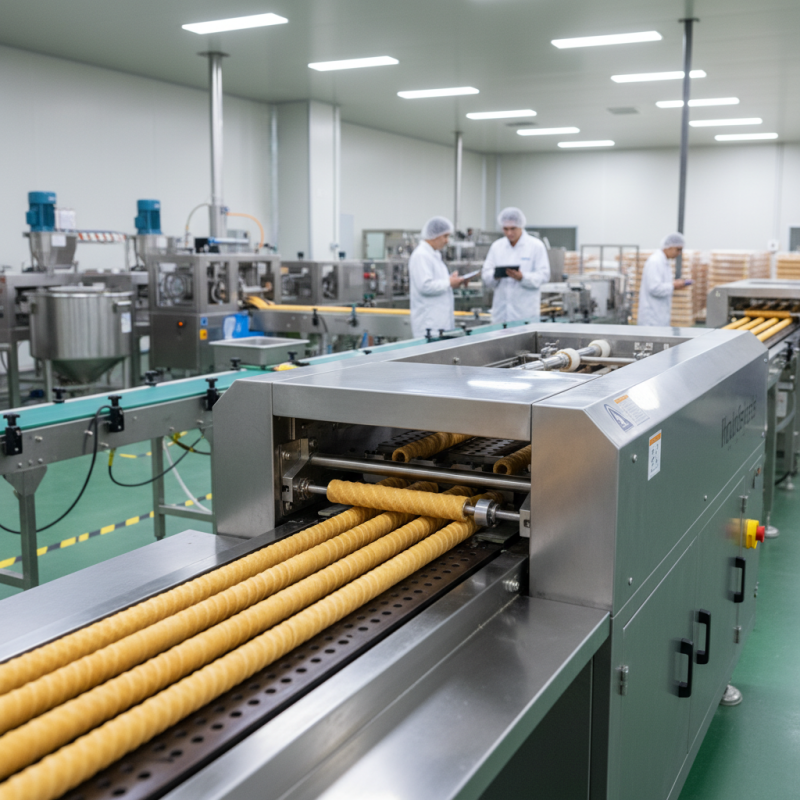
When selecting a wafer roll machine for your business, several factors are crucial. Consider the production capacity first. The machine should meet your daily output needs. A small-scale machine may suffice for local bakeries. However, larger operations require machines with higher efficiency. Look into how fast the machine can produce rolls. Speed often affects overall productivity.
The machine's design and construction matter too. A robust build ensures longevity. However, complex designs can make maintenance challenging. Simplicity in operation can lead to fewer errors. Easy-to-use controls are essential for smooth operation. Examine the energy consumption as well. Some machines use excessive power, increasing operational costs. Balance energy efficiency with performance.
Finally, evaluate the supplier’s support. A good machine needs reliable service. Issues arise, and having access to support can save time and money. Some suppliers may promise great things but deliver poorly in support. Taking all these elements into account will help in making an informed decision.
Wafer Roll Machine Selection Criteria
Understanding Different Types of Wafer Roll Machines Available in the Market
When selecting a wafer roll machine, it's crucial to understand the types available. The market offers various machines designed for different production needs. High-capacity machines can produce thousands of rolls per hour. Meanwhile, smaller, artisanal variants focus on quality over quantity. Industry reports indicate a growing demand for these artisanal machines, particularly from boutique sellers.
Tips: Evaluate your production goals carefully. Consider both output and quality to find a suitable machine.
Another significant factor is automation. Fully automated machines reduce labor costs and enhance precision. Semi-automated options may require more manual input but are often more affordable. Both types can impact operational efficiency. Defining your budget and desired output will guide your choice. Machine complexity also matters. If user-friendliness is compromised by advanced features, operational difficulties could arise.
Tips: Ensure adequate training for your staff. Proper training enhances productivity and minimizes waste.
Key Features That Impact Efficiency and Output Rate of Wafer Roll Machines
When selecting a wafer roll machine, consider key features that influence efficiency and output. The machine's capacity is crucial. A higher capacity means more wafers produced in less time. Look for machines that offer adjustable settings. This flexibility allows for variations in wafer thickness and flavor. Operators can produce custom products, which can be a competitive advantage.
Maintenance plays a vital role. Machines that are easier to clean save time and labor. Look for designs that minimize hard-to-reach areas. This design choice directly impacts your production flow. Moreover, energy efficiency should not be overlooked. Carbon emissions and energy costs can affect overall profitability.
Tips for choosing the right machine: test its operational noise. A quieter machine may improve working conditions. Evaluate the manufacturer's support services. Good support can prevent future headaches. Lastly, think about the machine’s footprint. Ensure it fits well in your production area without hindering movement. Finding balance in these features can lead to better operations. Always reflect on whether the investment meets your business needs.
How to Choose the Best Wafer Roll Machine for Your Business?
| Feature | Importance | Typical Output Rate (Rolls/Hour) | Energy Consumption (kW) | Materials Used |
| Cooking Temperature Control | High | 300 | 5 | Stainless Steel |
| Roll Size Adjustability | Medium | 250 | 4 | Aluminum |
| Automatic Feeding System | High | 500 | 6 | Composite Materials |
| Ease of Cleaning | Medium | 220 | 3 | Food-Grade Plastic |
| Production Speed Adjustment | High | 400 | 5.5 | Steel and Plastic |
Analyzing Operational Costs and ROI of Wafer Roll Machines for Businesses
When selecting a wafer roll machine, understanding operational costs is crucial for your business strategy. The initial investment can be significant. However, ongoing costs such as power consumption, maintenance, and raw materials also play a big role. Calculate these expenses carefully. Many overlook hidden costs that can affect profit margins. A detailed budget analysis can reveal the true financial picture.
Return on investment (ROI) should influence your choice. Estimate how quickly you can recover your initial costs through sales. Consider production efficiency and the machine's capacity. Can it produce enough products to meet your demand? Explore customer preferences, as high quality can justify higher prices. Some businesses fail to account for these factors and suffer in the long run.
Lastly, remember that technology evolves. Machines that seem efficient today may lag tomorrow. Stay informed about new innovations that may lower costs or improve output. Regularly assess your production strategy. This evaluation might expose underperforming equipment or highlight areas where improvements can be made. Balancing cost and performance is key for sustained success in wafer roll manufacturing.
Evaluating Manufacturer Reputation and Customer Support in Your Purchase Decision
When choosing a wafer roll machine, consider the manufacturer’s reputation and customer support. A reputable manufacturer often provides better quality machines and services. Look for reviews and testimonials from other businesses. They share insights on reliability and performance.
Tips: Research online forums for discussions. Engage with current users. Sometimes, hidden issues become clear in conversations.
Evaluate the customer support offered by the manufacturer. Quick responses to inquiries show a commitment to service. A comprehensive warranty indicates confidence in their product.
Tips: Test the support response time before purchase. Choose a manufacturer who prioritizes your needs. Be wary of those with vague policies.
Choose wisely. A good machine is vital, but support can save you when issues arise. Reflect on past purchases and what could have been better.