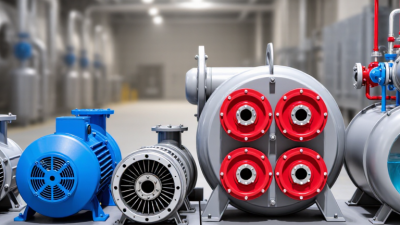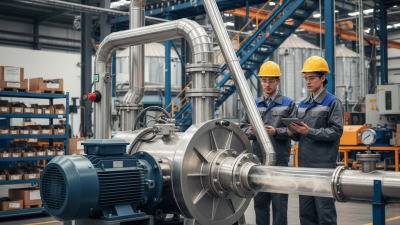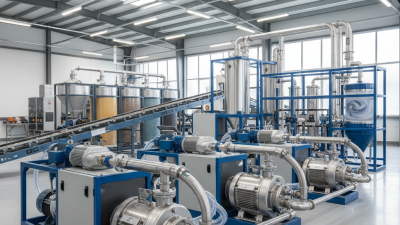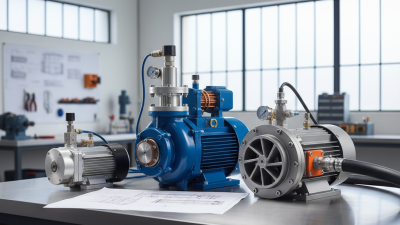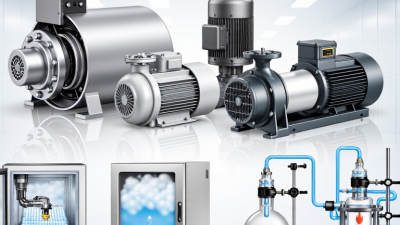
Choosing the best vacuum blowers for your business starts with the job, not the catalogue. A packaging line lifting cartons needs a different airflow profile from a CNC table holding a sheet flat. Small details matter. Define the required vacuum level, airflow, operating hours, and how often the system starts and stops. Then compare those needs with the blower’s performance curve instead of relying on a headline capacity figure.
Consider the material moving through the system, too. Fine dust, warm air, moisture, or occasional leaks can affect filtration, cooling, and maintenance needs. Check motor voltage, available space, noise limits, and routine service costs. A compact unit may fit beside a conveyor yet run hot if airflow is restricted. That trade-off is easy to miss. Ask suppliers for documented operating data, and confirm whether ratings apply at your actual pressure and temperature. Where possible, test the blower with representative loads before committing. Real results can differ.
A sound selection balances performance, energy use, reliability, and future expansion—not just purchase price. This guide outlines the questions to ask, the specifications to compare, and common sizing mistakes to avoid. Some choices will remain imperfect: process conditions change, and estimates may need revision. A careful review, supported by measurements and service records, gives your team a more dependable basis for choosing.
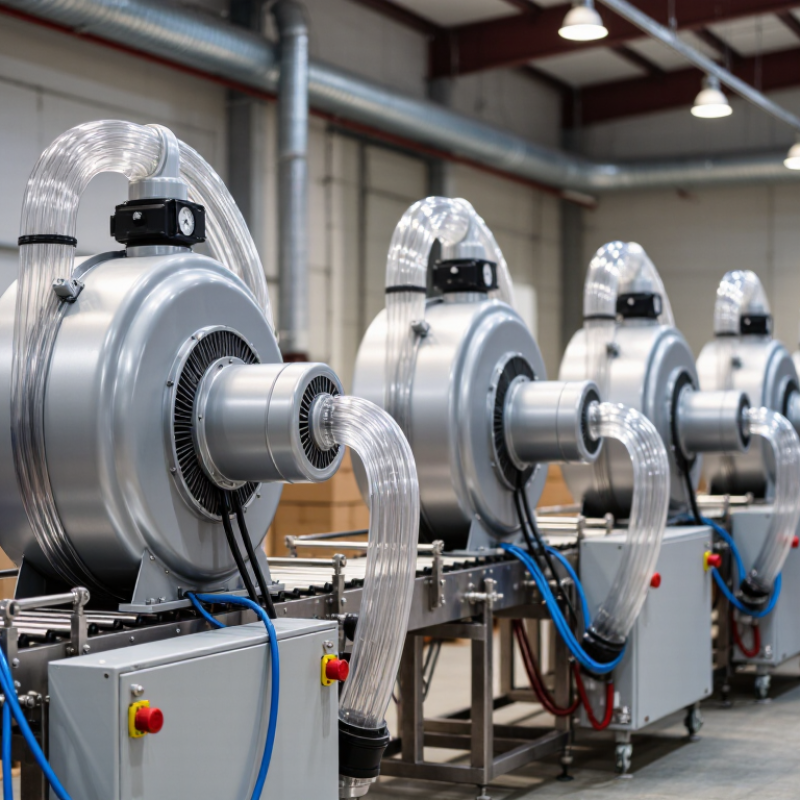
Vacuum blowers move air to create a pressure difference. This pressure difference draws air, dust, or lightweight material through an inlet. The blower then pushes the air through an outlet, often toward a filter or collection system. Unlike a storage tank, a blower produces continuous airflow while it runs. That distinction matters.
Inside the unit, an impeller or rotor spins and transfers energy to the air. The resulting flow depends on the blower’s design, speed, and system resistance. Narrow pipes, clogged filters, and sharp bends can reduce performance. A blower may sound powerful but still fail to move enough air at the required pressure. The tricky part is matching both measurements to the process. Check the operating curve, inlet conditions, and expected dust load before choosing equipment. Real systems rarely behave exactly like a clean test setup.
Tips: Measure airflow and pressure at the pickup point, not just at the blower. Keep filters accessible, and inspect them regularly. Record operating readings over time; small changes can reveal blockages early. It is easy to overlook routine checks, especially when the system seems fine.
Before comparing vacuum blowers, define the job they must perform. Record the material’s bulk density, particle size, and condition: dry, damp, or abrasive. These details affect airflow requirements and wear. Measure pipe length, diameter, bends, and pickup points. A long route with several elbows may need more pressure than a simple layout. Specify airflow and operating pressure at the pickup point, not just at the blower outlet. Small distinction. It matters.
Map the duty cycle. Note operating hours, start frequency, peak demand, and whether several lines run at once. A blower sized for average demand may struggle during busy shifts. Check available power, installation space, ambient temperature, dust, moisture, and acceptable noise levels. Ask operators where blockages or pressure drops occur; their observations can reveal problems that drawings miss. Some answers will be estimates, so label them rather than treating them as facts.
Define maintenance expectations before choosing equipment. Consider access to filters, cleaning intervals, replacement-part availability, and how long production can tolerate downtime. Compare energy use across realistic operating conditions, not only a rated figure. Set practical acceptance limits for airflow, pressure, noise, and temperature, then verify them after installation. A first requirements list is rarely perfect. Revisit it when process data or production plans change, especially if a new line or shift may increase demand.
Vacuum blower technologies differ in how they create airflow, tolerate changing loads, and handle heat. Rotary-lobe units move a fixed volume with each rotation, making them useful where demand varies or airflow must remain predictable. Their output can pulse, though, and silencers may be needed near work areas. Screw blowers typically deliver smoother flow and can suit long operating cycles, but their purchase cost and temperature control deserve careful review. A lower energy figure on a specification sheet is not the whole story.
Side-channel blowers are compact, with few moving parts and relatively simple maintenance. They work well for modest vacuum levels, but may struggle when a process needs both high flow and deeper vacuum. Centrifugal designs can move substantial air efficiently under stable conditions; performance may shift when filters load or duct resistance changes. Check the operating curve, not just the maximum-flow number. Then compare it with actual readings at the machine, including pressure, temperature, and hours of use. Small leaks matter. In real installations, they can quietly undermine a carefully chosen blower. One detail is easy to miss: a technology that looks ideal in a clean test room may behave differently beside warm equipment and dusty filters.
| Technology | Operating principle | Typical vacuum capability | Airflow and duty profile | Process-gas characteristics | Main advantages | Key considerations | Common business applications |
|---|---|---|---|---|---|---|---|
| Side-channel (regenerative) | An impeller repeatedly accelerates gas around a side channel, building pressure or vacuum over successive passes. | Moderate vacuum; generally used where a high vacuum level is not required. | Continuous, relatively steady flow; suitable for many smaller or medium-duty systems. | Typically oil-free in the gas path; best with reasonably clean, dry gas unless designed for other conditions. | Compact construction, few wearing parts, and straightforward installation. | Can become noisy or hot at demanding operating points. Check the allowable pressure differential and cooling requirements. | Packaging, vacuum conveying, print finishing, and general-purpose suction. |
| Rotary lobe (Roots-type) | Synchronized lobed rotors move gas from inlet to outlet with little internal compression. | Usually a low-to-moderate vacuum as a standalone machine; often used as a booster with a backing pump for deeper vacuum. | High volumetric flow over a useful operating range; well suited to continuous industrial duty. | The pumping chamber is typically oil-free, while gears and bearings are lubricated separately. | Moves large gas volumes and can improve system throughput when correctly matched with a backing pump. | Not generally intended to operate across a large pressure difference without appropriate system protection or backing equipment. Pulsation and noise may need attention. | Central vacuum systems, vacuum drying, and industrial processes needing high pumping speed. |
| Dry claw | Intermeshing claw-shaped rotors transport and compress gas without contacting each other or the housing. | Moderate to relatively deep vacuum, depending on the design and operating conditions. | Consistent pumping for continuous industrial operation; available in a range of capacities. | Dry, oil-free pumping chamber; process compatibility still depends on gas composition, moisture, and contamination. | No sealing liquid is needed in the pumping chamber, and routine service can be relatively simple. | Check inlet filtration, condensable-vapor handling, and temperature limits. Dry operation does not automatically mean compatibility with every process gas. | Vacuum packaging, plastics processing, woodworking, and general factory vacuum systems. |
| Dry screw | Two synchronized screws convey and progressively compress gas through the pump. | Can provide relatively deep vacuum; achievable performance varies substantially by design and process conditions. | Suitable for continuous process duty and a broad range of pumping speeds. | Typically oil-free in the process chamber. Some designs can handle condensable vapors or particulates with suitable configuration. | Can avoid process-gas contact with sealing oil and may suit demanding industrial processes. | Higher initial cost and more demanding service requirements are possible. Confirm material compatibility, purge needs, and vapor handling. | Chemical and pharmaceutical processing, vacuum drying, and applications requiring dry pumping. |
| Liquid-ring | A rotating impeller forms a moving ring of liquid that creates chambers and compresses the gas. | Moderate vacuum; the attainable level is influenced by the sealing-liquid temperature and vapor pressure. | Reliable for continuous service and can tolerate variable process conditions when properly selected. | Handles wet gas and some condensable vapors well. The sealing liquid contacts the process gas and may require treatment or recirculation. | Robust operation with moist gas and comparatively low sensitivity to some liquid carryover. | Uses water or another compatible sealing liquid; assess consumption, temperature control, corrosion, and wastewater handling. | Wet process service, vapor recovery, pulp and paper, and applications where gas may be saturated with moisture. |
| Centrifugal | A high-speed impeller adds velocity to the gas, which is converted into pressure in the diffuser or casing. | Usually low vacuum with high flow; not generally the first choice when a deep vacuum is needed. | Best suited to large, steady gas volumes and operation near the selected design point. | Often oil-free in the gas path; gas cleanliness, temperature, and density affect selection and performance. | Can deliver high flow efficiently in appropriately sized systems and can be integrated into centralized installations. | Performance can fall outside its efficient operating range if flow varies widely. System controls and surge or stall limits must be considered. | Large-scale conveying, aeration, and industrial systems requiring high-volume, low-vacuum airflow. |
Choosing a vacuum blower starts with the operating point, not the largest number on a specification sheet. Compare required airflow and vacuum pressure with the blower’s performance curve. Maximum airflow and maximum vacuum usually occur under different conditions. A packaging line, for example, may need steady suction across several pickup points. Account for pipe length, bends, filters, and expected leaks, since each can reduce airflow. I would not trust a catalog figure alone; real installations rarely behave so neatly.
Efficiency matters over the full work cycle. Check motor power draw at your normal operating point, not only at peak demand. If demand changes during a shift, variable-speed control may reduce wasted energy, provided the blower supports it. Consider duty cycle, heat, and noise, too. A unit running continuously beside operators has different needs from one used briefly in a separate room. Compare maintenance access and filter-cleaning intervals. Small details become expensive over time.
Tips: Ask suppliers for performance curves and measured power data. Confirm whether figures include the inlet filter and silencer. Measure airflow and pressure at the installation if possible, then compare readings with the required process conditions. Leave room for realistic variation, but avoid oversizing by guesswork. A little uncertainty is normal; document your assumptions and revisit them after commissioning.
Compare blower efficiency at the same required duty point—not just motor size or maximum airflow.
At a fixed airflow of 1,000 m³/h and a 10 kPa pressure differential, the chart shows estimated input power at three illustrative efficiency levels. Values are calculated using air power ≈ airflow × pressure differential, then dividing by efficiency; they are not product ratings. For selection, verify the required flow and vacuum on manufacturer performance curves, and compare power, operating range, noise, and maintenance needs under your actual conditions.
A blower’s purchase price is only the visible part of its cost. Compare ownership costs over the years you expect to use it. Include energy, filters, bearings, seals, and service labor. Check the duty cycle, required airflow, and pressure against actual operating conditions. An undersized unit may run continuously; an oversized one can waste power. Ask for performance data at your operating point, not just peak figures. Keep assumptions in writing.
Installation can change the budget quickly. Measure the route from blower to process, including bends, supports, and lifting access. Leave room for inspections and component removal. Before ordering, have qualified site staff verify the electrical supply, controls, ventilation, noise limits, and foundation requirements. A long pipe run or restrictive fitting may reduce performance. Small details matter. List installation, commissioning, and operator training separately in the quote, so missing work is easier to spot.
Match maintenance planning to the environment and operating hours. Dust, heat, moisture, and frequent starts can affect service intervals. Ask what routine checks involve, which parts are consumables, and how quickly replacements can be obtained. Compare schedules and costs, but do not assume the cheapest plan is safest. Keep a log of temperatures, vibration, noise, and energy use; changes can reveal trouble early. Leave room for cost variance. The first month may not be typical, and actual maintenance needs can differ from the forecast.