
231-941-0215 sale@namkeenmachine.com 2707 Aero Park Drive Traverse City, MI
Eng
  • Eng
  • Deu
  • Fra

How to Choose the Best Competition Tires?

Choosing Competition Tires is a grip decision, but also a question of heat, setup, and consistency. A tire that feels planted on a cool morning may slide after repeated laps. Small details matter. Track surface, vehicle weight, and driving style can change the result.

Professional testing offers a useful starting point. Tire Rack’s published tire-test reports compare measurable performance, including dry and wet braking, handling, and lap times. Those comparisons help reveal trade-offs, but their results reflect specific cars and test conditions. They cannot promise the same outcome at every circuit. Michelin’s motorsport technical guidance also stresses matching tire choice and operating pressure to the vehicle and conditions. Check current manufacturer specifications before making a final choice.

Tire engineer Paul Haney, author of The Racing & High-Performance Tire, explains how tire behavior depends on factors such as load, temperature, pressure, and construction. That is a practical reminder: a compound label alone cannot predict race-day grip. Record hot pressures, note track temperature, and watch for shoulder wear after each session. Conditions change. Even careful testing can mislead when the circuit or setup differs. This guide will help you compare compounds, sizing, construction, and operating windows, then choose Competition Tires that suit your event rather than chasing a single headline lap time.
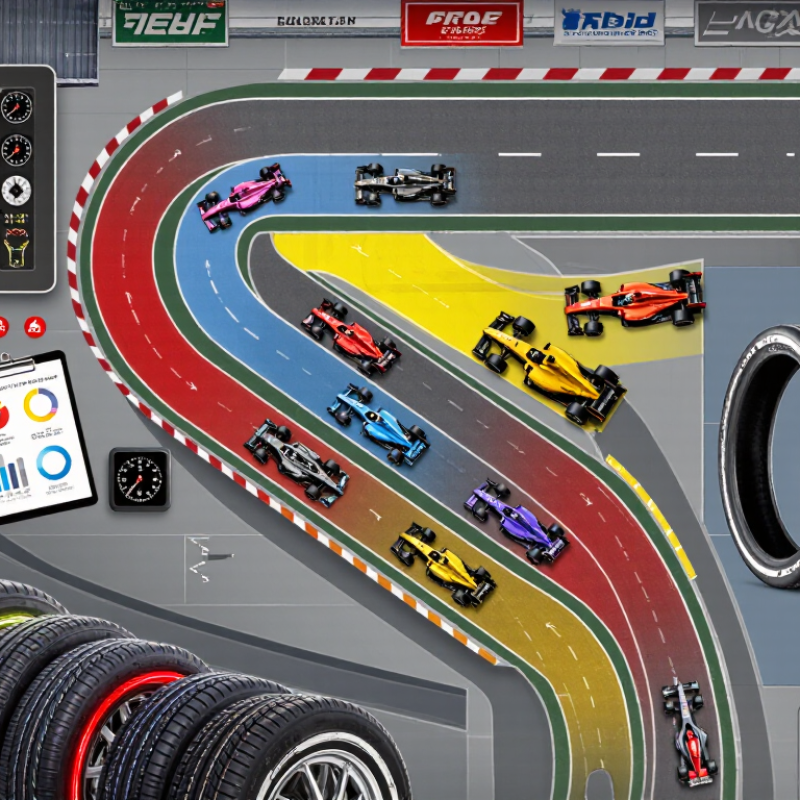
How to Choose the Best Competition Tires?

Identify Your Competition Type and Track Conditions

Your competition type sets the first limit. Autocross rewards quick response over short runs; endurance racing demands consistent grip and wear over many laps. Check the class rules before shopping. The FIA’s 2024 Formula One Technical Regulations specify dry-tire widths of 305 mm at the front and 405 mm at the rear, with a 720 mm nominal diameter. Those figures show how strongly tire dimensions depend on the category—not just the car’s power.

Then study the track. A cool morning, a hot rubbered-in racing line, and standing water call for different choices. On a dry circuit, prioritize predictable grip and stable behavior as temperatures rise. For wet conditions, confirm that your class allows a treaded competition tire; standing water can overwhelm a smooth tread quickly. Short events may favor immediate response, while longer sessions reward durability. Keep notes on air and track temperatures, hot pressures, and wear across each tire’s inner, center, and outer edges. FIA regulations are authoritative for their series, not a universal setup guide. Your first test may still be wrong. That is useful data—if you record it carefully.

Compare Tire Compounds, Tread Patterns, and Construction

Competition tires work best when their compound, tread pattern, and construction match the surface and session length. A softer compound can build grip quickly, but it may wear faster during long or hot sessions. Harder compounds often last longer, though they may feel less responsive when the track is cool. There is no universal winner. Track temperature and driving style change the result.

Tips: Check event rules and the tire maker’s pressure guidance before fitting. Record cold pressures, hot pressures, and tread wear after each session. Small details matter. One short run can mislead, so compare notes across similar conditions.

Tread design also shapes performance. Slick tires suit dry pavement, while grooves help move water away in wet conditions. More grooves are not automatically better; the right pattern depends on the surface and conditions. Construction matters too. A stiffer sidewall can sharpen steering response, while a more compliant one may feel steadier over bumps. Look for even shoulder wear and watch for unusual heat or pressure changes. I would not choose by lap time alone; comfort, consistency, and tire life deserve a place in the decision.

Select the Correct Tire Size and Vehicle Specifications

Start with the vehicle’s owner manual or tire placard, then check the competition regulations for permitted sizes. Record the current tire’s width, aspect ratio, and rim diameter. These numbers describe the tire, but they do not confirm that a different size will fit your car. Numbers can mislead.

Compare the proposed tire with the original overall diameter and the wheel’s approved width range. A larger diameter can affect gearing, speed readings, and clearance; a wider tire may touch the suspension or bodywork. Check space at full steering lock and through suspension travel, not just while the car is parked. A few millimeters matter. Also verify the wheel offset, load rating, and speed rating against the vehicle’s requirements and event rules.

Fitment is a system, not a single measurement. If possible, test-fit one tire and inspect for contact after a careful low-speed check in a controlled area. Ask a qualified tire professional to confirm uncertain measurements, especially when using nonstandard wheels or modified suspension. Even careful checks can miss movement under load, so leave a realistic clearance margin rather than aiming for the tightest fit.

Check Competition Rules and Weather Requirements

Before choosing competition tires, read the event’s current rulebook and confirm your class requirements. Rules may specify tire type, permitted sizes, tread depth, or inspection markings. A tire that fits your car may still be ineligible. Rules vary.

Ask the organizer or technical inspector about unclear wording, especially if the event uses separate dry and wet tire rules. Check whether tires must be declared before the session. Keep the relevant rule page accessible at the track; details are easy to forget when preparing under time pressure. A small oversight can cost you a start.

Weather matters just as much. Slick tires can offer strong grip on a dry surface, but standing water raises the risk of losing traction. Grooved tires help move water away, though their performance depends on the tire design, track conditions, and temperature. Weather changes fast. Check the forecast, then inspect the actual surface before choosing. A cool, damp morning may feel very different from a hot afternoon. Follow the tire maker’s guidance for pressure and temperature, and avoid guessing at adjustments. I would not treat one setup as right for every session; conditions can shift between practice and competition.

How to Choose the Best Competition Tires? - Check Competition Rules and Weather Requirements
Decision Factor What to Check Dry Conditions Wet or Variable Conditions Practical Action
Competition rules Allowed tire categories, dimensions, tread requirements, and any restrictions on tire changes or modifications. Use only a tire type permitted by the event regulations. Some events require a treaded tire or specify when a wet-weather tire may be used. Read the current event and class regulations before buying or mounting tires; confirm unclear requirements with the organizer.
Track surface and layout Surface material, grip level, corners, elevation changes, and the amount of standing water likely to occur. A suitable dry tire should provide predictable grip without overheating during the event. Grooves and tread channels can help move water away from the contact area, but performance depends on tire design and water depth. Use recent event information and track conditions to guide selection rather than relying on the event name alone.
Weather and track temperature Forecast air temperature, expected track temperature, rain, and whether conditions may change during a session. Choose a tire compound intended for the expected temperature range; excessive heat can accelerate wear. Rain, cooler surfaces, and changing conditions may require a different approved tire and a more cautious warm-up. Check the forecast close to the event and follow the tire maker’s guidance for the selected tire.
Tire compound Whether the tire is offered in different compounds and the temperature range or use case stated by its manufacturer. A softer compound may offer more grip but can wear faster; a harder compound may last longer but provide less grip in some conditions. Compound alone does not determine wet-weather suitability; use a tire designed and approved for the conditions. Balance grip, durability, session length, and temperature instead of selecting solely by compound softness.
Tread and water clearance Tread pattern, tread depth, and any minimum or maximum tread rules in the event regulations. For a dry-only tire, verify that its construction and use are allowed in the class. Purpose-designed wet tires use tread patterns to help channel water; they cannot eliminate the risk of hydroplaning in deep water. Do not cut or modify tread unless the rules and tire manufacturer explicitly allow it.
Size and fitment Approved wheel diameter and width, tire dimensions, vehicle clearances, and any class limits. Correct fitment helps preserve handling and avoids contact with suspension or bodywork. Use the same fitment checks for wet-weather tires; dimensions can differ between tire models. Confirm compatibility with the vehicle, wheel, and regulations before purchasing.
Pressure and setup Recommended cold pressure, measurement procedure, and any event-specific setup guidance. Pressure changes as tires warm up and can affect grip, stability, and wear. Wet conditions may call for a different setup, but there is no universal wet-pressure setting. Start with the tire manufacturer’s guidance, measure consistently, and make small, documented adjustments within safe limits.
Condition and preparation Age, wear, damage, uneven wear, and any restrictions on previously used tires or tire treatments. Inspect the full tread and sidewalls; replace tires with damage or wear beyond permitted limits. Insufficient tread or damage can reduce water evacuation and make handling less predictable. Check tires before each event and follow the rules on tire treatments, marking, and permitted tire changes.

Test Tire Performance and Plan for Maintenance

Competition tires should be tested on the surface and in the conditions where they will run. Record lap times, ambient temperature, track temperature, and pressure before and after each session. Keep the same driver, fuel load, and setup where practical. Small changes matter. A tire that feels sharp for two laps may overheat and lose grip later. One clean lap is not enough.

Measure tread temperatures across the inner, center, and outer sections immediately after a run. Compare the readings with lap times and driver feedback, rather than treating one number as a verdict. A changing track can distort results. So can a rushed pressure check. I would retest before making a setup decision; it is easy to overread a noisy session.

Maintenance starts with a reliable gauge and a written log. Check for cuts, blisters, uneven wear, and embedded debris after every session. The U.S. Department of Energy’s Fuel Economy guidance reports that fuel economy can fall about 0.2 percent for each 1 psi drop in average tire pressure. That is a road-use estimate, not a lap-time prediction, but it shows why pressure control matters. Follow the tire maker’s operating limits, and let tires cool before comparing cold pressures. A missed note can spoil the comparison.