How to Choose the Best Lithium Button Cell Battery?
Choosing the right lithium button cell battery can be daunting. Numerous options are available, but not all are created equal. Each battery is suited to specific devices and needs. Selecting a suitable lithium button cell battery requires an understanding of various factors.
Consider the applications where you will use the battery. Different devices, from watches to medical equipment, demand different specifications. Check the voltage and size. This can significantly influence performance. Moreover, brand reputation plays a crucial role. Trusted brands often ensure consistent quality.
It’s also essential to evaluate the battery's lifespan and performance ratings. Sometimes, lower-priced options may lack reliability. Investing in a quality lithium button cell battery can save you time and money. Regular research and reviews can help you make informed choices. Ultimately, assess your device's needs carefully. Your choice impacts not just functionality but also safety and efficiency.
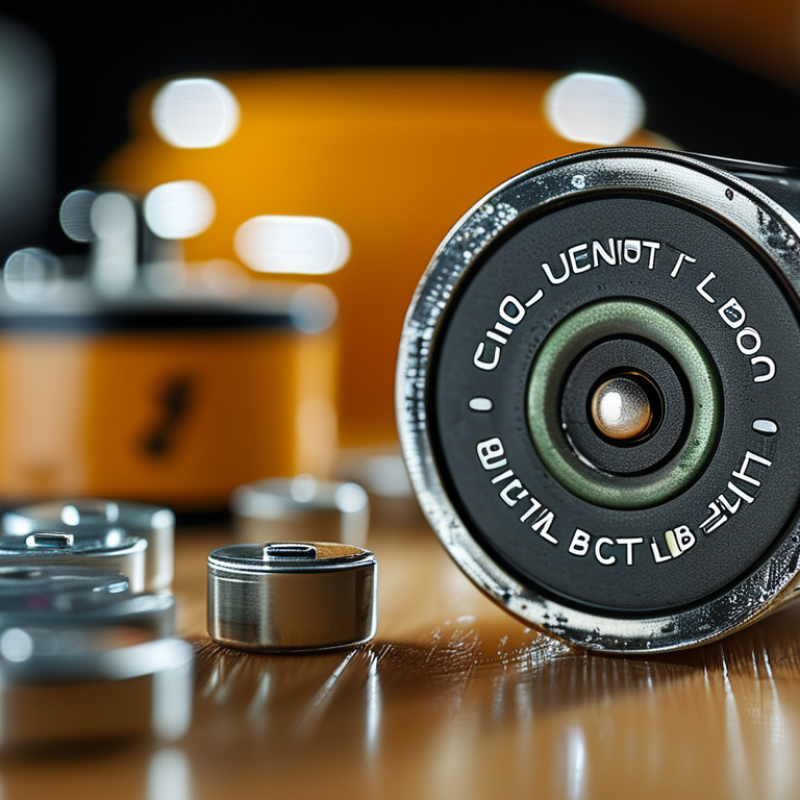
Factors to Consider When Choosing a Lithium Button Cell Battery
When selecting a lithium button cell battery, several key factors should be considered. Firstly, voltage requirements are crucial. Typical lithium button cells range from 3V to 3.7V. For instance, the CR2032 offers 3V, often used in watches and small electronics. Choosing the right voltage ensures optimal performance and longevity.
Battery capacity is another critical aspect. Measured in milliamp hours (mAh), this indicates how long a battery will last under a specific load. For instance, a CR2032 typically has around 220 mAh. Such details can significantly impact device performance. A lower capacity battery may not last as long, leading to frequent replacements.
Temperature tolerance also warrants attention. Lithium batteries can operate efficiently in a broad temperature range. However, extreme temperatures can reduce their lifespan. Research suggests that high temperatures above 60°C might lead to leakage or failure. Evaluating these factors ensures that the chosen battery meets specific device requirements sustainably and reliably.
Comparison of Common Lithium Button Cell Battery Sizes and Voltage Levels
When choosing lithium button cell batteries, understanding their sizes and voltage levels is crucial. Common sizes include CR2032, CR2016, and CR2025. Each size has a specific diameter and thickness, affecting its fit in devices. For instance, a CR2032 is 20mm in diameter and 3.2mm thick. This detail is vital, as a battery that does not fit properly can lead to device malfunction.
Voltage levels also play an important role in performance. Most lithium button cells operate at 3 volts. However, the capacity may differ. A CR2032 typically offers a higher mAh rating than CR2016. This means it can last longer in high-drain applications. It’s essential to match the battery size and voltage with your device's requirements. Failure to do so can lead to inefficient operation or even damage.
When assessing your options, reflect on your device’s needs. Sometimes, the lowest price or common size might not be the best choice. Evaluating how often you use the device can guide you. If a device runs frequently, a higher capacity battery may justify the extra cost. Always consider both size and voltage in your selection process for optimal results.
How to Choose the Best Lithium Button Cell Battery? - Comparison of Common Lithium Button Cell Battery Sizes and Voltage Levels
| Battery Size | Diameter (mm) | Height (mm) | Voltage (V) | Typical Applications |
| CR2032 | 20 | 3.2 | 3 | Watches, calculators, medical devices |
| CR2025 | 20 | 2.5 | 3 | Keyfobs, remote controls |
| CR2016 | 20 | 1.6 | 3 | Cameras, fitness devices |
| CR2450 | 24 | 5.0 | 3 | IoT devices, medical equipment |
| CR123A | 34.5 | 17 | 3 | Cameras, security devices |
Analyzing Battery Life: Expected Capacity and Discharge Rates in Lithium Cells
When choosing a lithium button cell battery, it's essential to analyze its expected capacity and discharge rates. Capacity is typically measured in milliampere-hours (mAh) and indicates how long the battery can power your device. A higher capacity means longer usage. Discharge rates, on the other hand, describe how quickly the battery can release its energy. This is crucial for devices that require bursts of power.
Tips for selecting the right battery:
- Always check the mAh rating.
- For devices needing consistent power, opt for batteries with higher ratings.
- In devices with variable power needs, consider those with suitable discharge rates.
Also, beware of counterfeit batteries. They may have misleading specifications and can compromise device safety. It's not uncommon to see batteries with inflated claims. Always purchase from reputable sources and consult product reviews. Moreover, store batteries in a cool, dry place to maintain their performance.
Exploring battery life can be tricky. Real-life conditions like temperature and usage patterns affect performance. Be prepared for potential inconsistencies in battery life; even reputable brands can fall short under certain conditions.
Understanding Application Needs for Your Lithium Button Cell Battery Selection
When selecting a lithium button cell battery, understanding the application needs is crucial. Each electronic device has unique power demands. For instance, some gadgets require long-lasting energy. Others may need a burst of power for a short period. Consider the voltage requirements of your device. A mismatch can lead to suboptimal performance or even damage.
Additionally, think about the storage conditions. Extreme temperatures can affect battery life. Some applications, like medical devices, might have strict requirements. Check the battery's discharge characteristics. A steady discharge may be vital for sensors, while cameras might need quick spikes of power. Reflect on your experience in using batteries, and learn from previous choices.
Lastly, remember that not all batteries are created equal. Some might seem cheaper upfront, but can fail prematurely. Balance cost against reliability. It’s essential to analyze both short-term needs and long-term expectations. Missteps in this process could lead to unnecessary replacements. Prioritizing quality over cost may save you trouble down the line.
Battery Performance Comparison
Evaluating Quality Standards and Certifications for Lithium Button Cell Batteries
When selecting lithium button cell batteries, quality standards and certifications are critical. Reliable batteries often meet specific industry benchmarks. Look for certifications such as ISO, which indicates adherence to international quality management principles. Additionally, check for safety certifications like UL or CE, which ensure the battery's safety and reliability. These indicators reflect a commitment to quality.
Researching the manufacturer's reputation can provide insights. A brand known for its rigorous testing is often more trustworthy. Understanding the materials used in these batteries is essential. High-quality lithium batteries use premium components that enhance performance and longevity. However, not every battery marketed as high-quality lives up to the claims. Consumer reviews can be revealing, showcasing experiences with overheating or short lifespans.
It's easy to assume that higher price means better quality, but it is not always the case. Some lesser-known brands may offer competitive products that challenge big names. Always delve into the details. Often, the specifications provided can highlight performance aspects like discharge rates or temperature tolerance. Seek batteries that balance quality and cost-effectiveness, allowing for informed decisions based on real-world usage, not just marketing language.