How to Choose the Right Pulverizing Equipment for Your Needs?
Choosing the right Pulverizing Equipment is crucial for achieving efficiency and consistency in production. According to Dr. Emily Whittaker, a renowned expert in industrial processing, "The right pulverizing equipment can make or break your process." Her words underscore the importance of selecting the appropriate machinery for your specific needs.
When considering pulverizing equipment, familiarize yourself with the various options available. Every application is different. Equipment types vary in capacity, energy consumption, and output quality. A thorough understanding of your material's properties and your production goals will guide you in making an informed choice.
Ultimately, decisions must reflect both operational demands and budgetary constraints. There may be temptation to cut corners, but investing in quality pulverizing equipment pays off in the long run. Balancing costs with performance requires careful contemplation and often a willingness to seek expert advice. The stakes are high, and the wrong choice can lead to wasted resources and diminished productivity.
Understanding Your Material Requirements for Pulverizing
Choosing the right pulverizing equipment starts with understanding your material requirements. Different materials have unique characteristics. For example, some materials are brittle, while others are tough or fibrous. Knowing your specific material helps to avoid costly mistakes. The wrong equipment may not achieve the desired particle size or could damage your material.
Consider the hardness of the material. Hard materials like quartz require more robust machinery. In contrast, softer materials may only need basic equipment. The moisture content is another critical factor. Wet materials can clog machines, leading to inefficiency. Also, consider the desired fineness. Is it a coarse powder or a fine dust you need? Each application may demand a different pulverizing solution.
Taking time to evaluate these factors can prevent frustration later. Mistakes often arise from not fully understanding the material. Testing a small batch can reveal compatibility with the equipment. This insight may save time and resources. Selecting the right pulverizing equipment involves more than just picking a machine. It requires a thoughtful approach to your material’s needs.
Key Types of Pulverizing Equipment and Their Functions
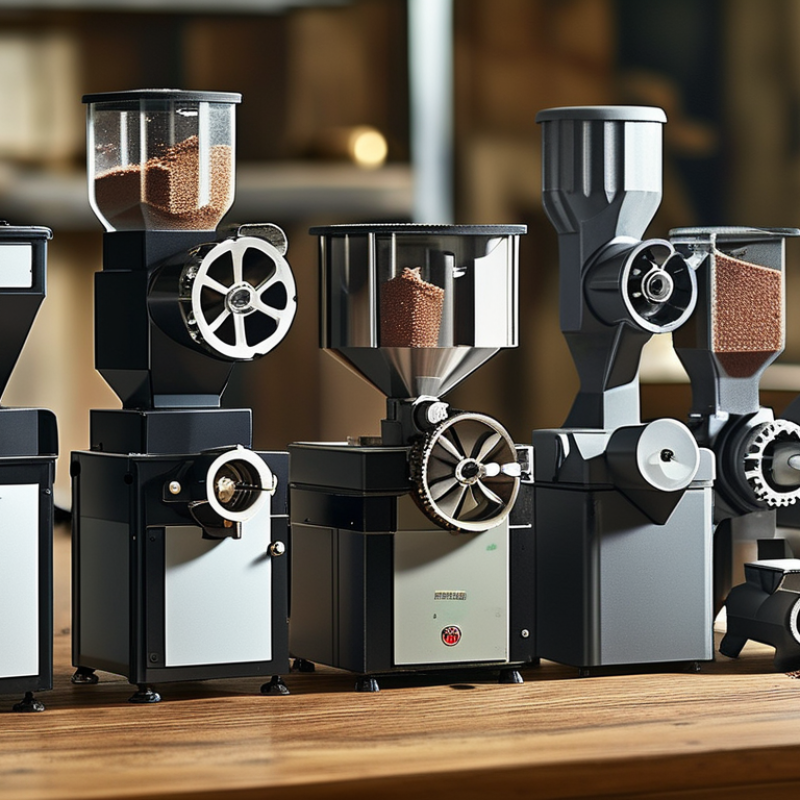
Pulverizing equipment plays a crucial role in various industries, from food processing to pharmaceuticals. Selecting the right type depends heavily on the intended application. There are several key types of pulverizing equipment, each with unique functionalities.
Hammer mills are widely used due to their versatility. They use rotating hammers to crush materials. For example, a study from the National Institute of Health indicates that hammer mills can reduce particle size effectively, achieving less than 2 mm in some cases. This technology suits applications like grain milling and biomass processing, where large volumes need reduction quickly.
Jet mills, on the other hand, utilize high-speed air jets to pulverize materials without generating excessive heat. They are ideal for heat-sensitive materials like certain pharmaceuticals. Research has demonstrated that jet mills can produce particles as fine as 10 microns, making them suitable for precise applications. However, incorrect settings could lead to inconsistent particle sizes, highlighting the importance of understanding material characteristics.
Lastly, ball mills offer another option, using steel balls to grind materials. They are prevalent in mineral processing. While effective, they often require longer processing times. Hence, awareness of the material's hardness and desired fineness is essential. Matching the equipment to specific needs can mitigate these challenges.
Evaluating Capacity and Efficiency for Your Application
When selecting pulverizing equipment, capacity and efficiency are key. Consider the volume of material you process. For instance, a small operation may need fewer resources than larger industrial applications. Evaluate how much product you need to produce per hour. Inadequate capacity can lead to downtime. On the other hand, excessive capacity may mean wasting resources.
Efficiency plays a crucial role in overall performance. It's not just about speed; it’s also about energy consumption and maintenance costs. A machine that requires frequent repairs can disrupt workflow. Shorter processing times can increase productivity. However, ensure that the quality of the pulverized material meets your specifications. Low-quality output might necessitate additional processing.
Reflecting on your specific needs can create challenges. Your operation may evolve, affecting capacity requirements. Always reassess your equipment after some time to ensure its continued relevance. Engage with experts or use performance metrics to guide your decisions. An informed choice can enhance your production process and support long-term profitability.
Identifying Essential Features and Customization Options
When selecting pulverizing equipment, key features are critical. Capacity is one of the primary considerations. For instance, reports indicate that equipment must handle varying quantities of material efficiently. A system designed for high-volume processing could be unnecessary for seasonal production.
Customization options also play a vital role. The ability to adjust settings for particle size is crucial in achieving desired outcomes. Industry studies highlight that even minor adjustments can lead to significant changes in product quality. Materials processing varies from plastics to minerals. Each application demands specific features to optimize performance.
Reliability and maintenance are often overlooked factors. Consistent uptime is essential for productivity. Research shows that effective maintenance can extend the lifespan of pulverizing equipment. However, many operators neglect this, leading to unexpected downtime. Regular checks and adjustments on equipment can prevent costly disruptions.
Assessing Budget and Total Cost of Ownership Considerations
When assessing the total cost of ownership for pulverizing equipment, budget considerations are crucial. Begin by evaluating your initial capital outlay. While it may be tempting to choose low-cost options, these often lead to higher long-term expenses. Poor quality machines can require frequent maintenance, leading to unplanned costs. A well-built piece of equipment typically results in lower operational risks.
Energy consumption is another vital factor. Efficient machines consume less energy, translating to significant savings. Additionally, consider the cost of consumables, such as grinding media or replacement parts. A cheaper machine might require more frequent replacements, countering any upfront savings. Reliability should also be at the forefront; downtime during operation can halt production, impacting overall profitability.
While looking for the right equipment, think about the lifespan and resale value. Some models may be pricier but can retain value longer. Analyze the trade-offs between initial investment and potential future costs. Reflect on your operational needs and forecast demands. This will help ensure that your decision is not just cost-effective, but also aligns with your long-term business strategy.