How to Choose PE Coloring Masterbatch in 2026?
Choosing the right Pe Coloring Masterbatch in 2026 requires more than comparing color samples or price per kilogram. Polyethylene products face stricter appearance, performance, recycling, and production-efficiency expectations. A blue film may look correct under showroom lighting, yet show streaks under factory LEDs. Small differences matter.
The OECD Global Plastics Outlook reported that global plastics production reached 460 million tonnes in 2019, while plastic waste reached 353 million tonnes. This pressure is influencing how manufacturers evaluate pigments, carriers, and processing additives. PlasticsEurope’s latest industry data also confirms polyethylene remains one of Europe’s major polymer families. Therefore, compatibility with LDPE, LLDPE, HDPE, or recycled PE should be checked before approving a formulation.
Start with the application. Food packaging, agricultural film, injection-molded containers, and household products require different pigment stability and dispersion levels. Review heat resistance, migration requirements, weatherability, opacity, let-down ratio, and moisture control. Request laboratory data, not only a color card. A reliable supplier should provide technical data sheets, batch traceability, and recommendations for extrusion or injection processing.
Market reports from Grand View Research and Smithers indicate continued demand for masterbatch solutions, driven by packaging, construction, and consumer goods. However, market forecasts are not production guarantees. Your resin grade, screw design, recycled content, and cooling conditions can change the result.
Test it realistically. Run the masterbatch on your own machine, at your actual speed and temperature. Check color difference, pressure, filter loading, surface defects, and final mechanical properties. One overlooked detail can ruin a full production shift. In 2026, the best Pe Coloring Masterbatch is not simply the brightest option. It is the most compatible, documented, and consistently processable choice. There is no universal formula.
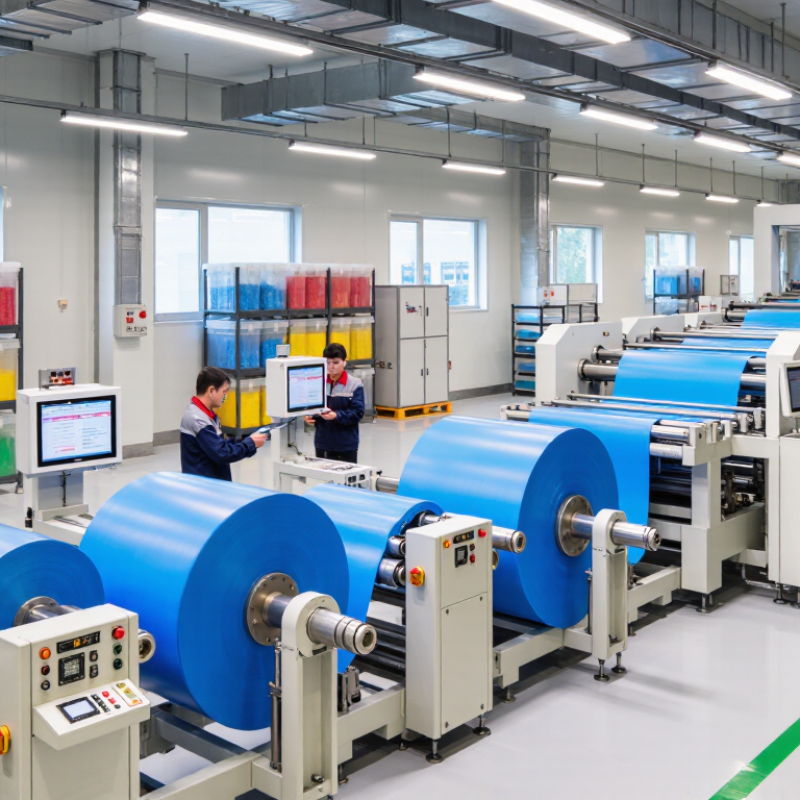
Define PE Resin, End Use, and Target Shade Before Choosing a Masterbatch
How to Choose PE Coloring Masterbatch in 2026?
Define the PE resin before selecting color. HDPE, LDPE, and LLDPE flow differently, so one carrier may not disperse equally well. Recycled PE can also vary by melt flow index, odor, ash, and previous color history. The OECD reported that global plastic production reached 460 million tonnes in 2019. That scale makes consistent material identification increasingly important. Ask for the resin grade, processing temperature, and target let-down ratio. Then check the masterbatch carrier against the polymer family.
End use changes the color decision. Film needs strong dispersion and low filter pressure. Bottles and caps need stable opacity, gloss, and repeatable dosing. Outdoor pipe or agricultural film may require weathering resistance, not just a bright shade. The target should include a physical sample and L*a*b* values under a stated light source. ISO 11664 color measurement guidance helps improve communication between laboratories and production teams. A perfect shade on a plaque can fail after extrusion. Small differences in thickness, cooling, and surface texture matter.
Use data, but inspect the real process. Request a technical data sheet, safety information, migration documentation when relevant, and batch consistency records. The PlasticsEurope 2023 industry facts reported global plastics production at about 400 million tonnes in 2022, showing why reliable color control matters across large supply chains. Still, laboratory results are not production truth. Run a short trial on the actual machine, compare molded or extruded samples, and record screw speed, temperature, and dosage. That extra step feels slow. It prevents expensive shade correction later.
Match PE Carrier and Melt Flow Rate Using ISO 1133 Data
How to Choose PE Coloring Masterbatch in 2026?
Match the polyethylene carrier to the base resin, not merely to the color. A high-density PE carrier suits many high-density PE grades, while linear low-density PE may need a softer, more compatible carrier. Check the resin’s melt mass-flow rate using ISO 1133-1. The result is reported in grams per 10 minutes under defined temperature and load conditions. Without these conditions, MFR numbers can mislead.
Keep the masterbatch MFR reasonably close to the production resin. A large difference may cause uneven pigment distribution, surface streaks, or unstable feeding. For example, a resin tested at 190°C and 2.16 kg should be compared with a masterbatch tested under the same settings. A perfect numerical match is not always possible. Processing temperature, screw design, pigment loading, and dosage also change dispersion behavior. Small trials matter.
Use documented laboratory data, not a supplier’s vague “easy processing” claim. ISO 1133-1 provides the testing framework, while PlasticsEurope’s Plastics—the Fast Facts 2024 reports about 54.6 million tonnes of plastics production in Europe during 2023, showing the scale of quality-sensitive processing. Record MFR before and after blending. In practice, I would test at the actual dosage and line speed. That step is often skipped. It should not be. Even reliable ISO data cannot replace a controlled production trial.
Representative polyethylene carrier melt flow rates for color masterbatch selection. Values are expressed in g/10 min and measured at 190 °C under a 2.16 kg load according to ISO 1133. A carrier with a melt flow rate close to the host PE generally supports more consistent dispersion and processing; always confirm the actual value from the material certificate.
Compare 1–5% Let-Down Ratios, Pigment Loading, and Color Strength
Choosing PE coloring masterbatch in 2026 requires more than comparing price per kilogram. Let-down ratio is the first practical test. At 1%, a concentrated masterbatch may deliver strong color, but dispersion errors become easier to see. At 3%, operators usually gain a wider processing window. At 5%, color coverage improves, yet costs and melt dilution rise. Test all three ratios on the actual PE grade and processing line.
Pigment loading matters, but it is not the complete answer. A higher loading can reduce dosage, although poor dispersion may create streaks, specks, or filter pressure. Smithers’ 2024 masterbatch market analysis highlights performance consistency and application-specific formulation as major purchasing factors. Its findings support a simple rule: compare color strength at equal pigment content, not only equal masterbatch dosage. Measure ΔE, opacity, and dispersion after production, not just on a laboratory plaque.
Industry reports also show why packaging remains important. PlasticsEurope’s Plastics—The Fast Facts 2024 reports that packaging represented 39.3% of European plastics demand in 2022. PE films and containers therefore need stable shades across long production runs. My practical mistake was trusting a vivid sample too quickly. It looked excellent at 1%, then weakened after recycling and heat exposure. Include a 24-hour conditioning check, and record screw speed, temperature, and resin melt-flow rate. A small trial can reveal a costly formulation assumption.
Set Color Accuracy Targets with ASTM D2244 and ΔE00 Measurements
When choosing PE coloring masterbatch in 2026, set a measurable color target before comparing samples. ASTM D2244 provides a recognized method for calculating color differences from instrumental readings. It does not define one universal pass or fail limit. Your application must define that limit.
Use a spectrophotometer with controlled lighting, geometry, and observer settings. Record the resin grade, masterbatch let-down ratio, plaque thickness, surface finish, and processing temperature. These details matter. A glossy plaque may appear darker than a textured part, even with identical pigment loading. Compare production-like samples, not only laboratory chips.
ΔE00 is useful because it reflects how people perceive differences between colors. Set an agreed ΔE00 tolerance, such as 1.0 for critical shades or a wider limit for less sensitive products. Confirm the value across several batches, not one successful trial. I have seen a perfect lab match fail after molding because cooling conditions changed the surface appearance. That result deserves investigation, not excuses. Check hue, lightness, and chroma components separately when ΔE00 rises. A single number can hide the real problem. Keep retained samples and instrument records for every approved lot. Recheck the target when changing equipment, resin, or processing conditions. Small gaps in the procedure can become visible color variation.