How to Choose the Best Hygienic Design Food Sorter?
When selecting a Hygienic Design Food Sorter, several factors are essential to consider. Food safety is paramount in any processing operation. A meticulously designed sorter can significantly reduce contamination risks. Cleanability of materials is a critical aspect. It should be easy to disassemble for thorough cleaning. The right choice can enhance product quality and ensure compliance with health regulations.
Moreover, the design must focus on efficient workflow. A well-structured sorter minimizes downtime and maximizes productivity. You may notice that some models excel in specific functions while lacking others. Evaluating these differences can lead to a more informed decision. Focus on the versatility of the machine and its adaptability to various food types.
Lastly, consider the manufacturer’s reputation. A company known for durable and reliable products is more likely to provide a Hygienic Design Food Sorter that meets industry standards. It’s helpful to read customer reviews and case studies. This process can reveal strengths and weaknesses, guiding you toward the best option for your needs.
Understanding Hygienic Design Principles in Food Sorting Equipment
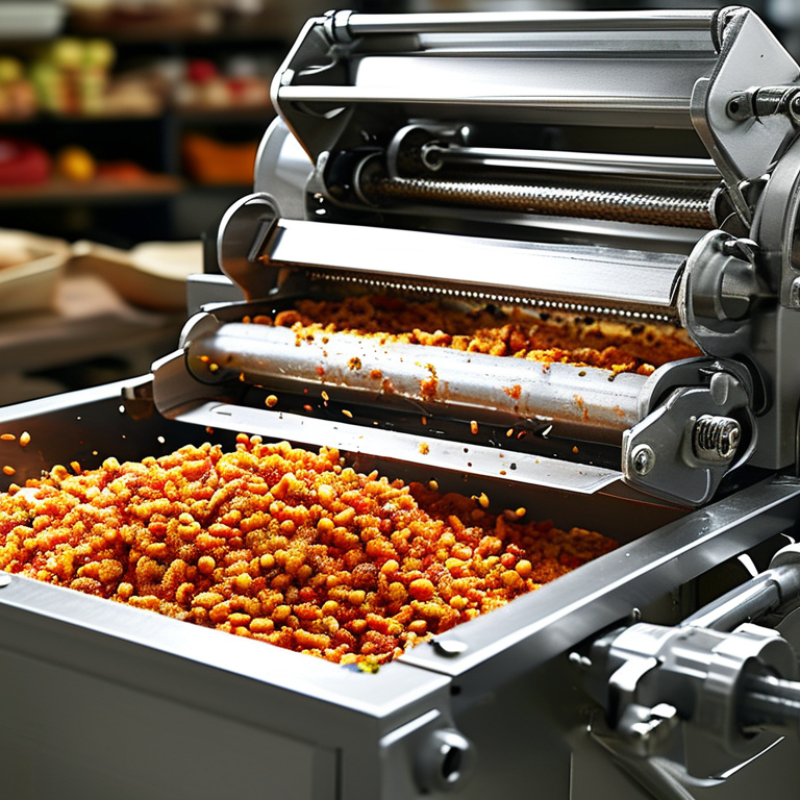
Hygienic design principles play a crucial role in food sorting equipment. These principles help mitigate contamination risks. A well-designed sorter should be easy to clean and maintain. Smooth surfaces and rounded edges are essential features. They prevent food particles from becoming trapped, reducing bacteria growth. Regular cleaning intervals should be established to ensure optimal hygiene.
Materials used in food sorting equipment matter significantly. Stainless steel is often preferred for its durability and resistance to corrosion. Some equipment might incorporate food-safe plastics that are easily sanitized. The choice of materials influences the overall safety of the food processing environment. Regular assessments of equipment wear and tear can highlight areas needing improvement.
Consider the layout of the sorting equipment. A design that allows for proper drainage minimizes standing water. Ventilation is also crucial in preventing the buildup of moisture. However, some designs might overlook these aspects, leading to hygiene issues. Evaluating the effectiveness of the current setup is vital. Identifying such shortcomings can lead to adjustments that enhance overall performance and safety in food sorting operations.
Key Factors to Evaluate When Choosing a Food Sorter
When evaluating a hygienic design food sorter, several key factors come into play. The materials used in the equipment are crucial. Stainless steel is often preferred for its durability and ease of cleaning. According to the Food Safety Research Consortium, nearly 60% of foodborne illnesses can be traced back to equipment not maintained properly. This suggests that choosing high-quality materials directly impacts food safety.
Another factor to consider is the equipment's design. A hygienic design allows for easy access to critical areas during cleaning. Complex shapes or enclosed spaces can trap residues and promote microbial growth. Research from the Institute of Food Technologists indicates that a significant 70% of food safety violations stem from inadequate cleaning practices. Hence, investing in sorters that prioritize hygiene in design can minimize such risks.
Additionally, operational efficiency cannot be overlooked. A food sorter's speed and accuracy directly affect productivity. Industry studies show that inefficiencies in sorting can lead to a loss of 15% in overall production. Assessing performance metrics like throughput and accuracy is essential. While the ideal sorter may not exist, continuous reflection on these aspects can lead to better decision-making and an overall enhancement in operational efficiency.
Comparing Different Types of Hygienic Food Sorters Available
Choosing the right hygienic food sorter can be challenging. There are various types available, each designed to meet specific industry needs. One popular type is the belt conveyor sorter, which effectively separates products based on size. Reports indicate that these sorters improve operational efficiency by up to 30%. Their adjustable speeds allow for flexibility, but they require regular maintenance to minimize breakdowns.
Another type is the vibratory sorter. It utilizes vibration to move products along a defined path. This method is known for its gentle handling of delicate items, reducing damage. However, some operators find it challenging to adjust vibration levels for different products. Studies suggest that optimizing vibration settings can enhance sorting accuracy by 25%.
Lastly, optical sorters leverage advanced imaging technology to identify and separate materials. These machines can detect defects and foreign materials with remarkable precision. However, high initial costs and ongoing calibration needs can be barriers for some facilities. Industry data shows that investing in this technology can yield a return on investment within two years, especially for high-volume production environments. Each sorter type presents unique advantages and potential pitfalls, making informed choices crucial for operational success.
Assessing Compliance with Health and Safety Regulations
When selecting a hygienic design food sorter, compliance with health and safety regulations is a top priority. Proper design ensures that food products are handled safely, minimizing contamination risks. Facilities need to follow specific guidelines, like proper drainage and easy-to-clean surfaces. Regular inspections help maintain these standards.
Tips: Look for sorters with smooth surfaces. This reduces bacteria buildup. Choose materials that withstand cleaning agents. Non-porous options are preferable.
Another important aspect is employee training. Workers should understand how to operate the sorter correctly. Regular training sessions can reinforce best practices. Assessing their knowledge regularly ensures safety measures are upheld.
Tips: Create easy-to-understand manuals. Visual aids can help communicate critical information. Encourage open discussions about potential hazards and improvements.
Maintaining and Cleaning Your Food Sorter for Optimal Hygiene
Maintaining and cleaning a food sorter is crucial for optimal hygiene. Studies show that improper cleaning can lead to a 70% increase in foodborne pathogens in processing environments. Therefore, developing a routine is essential. Regular cleaning with approved sanitizers can significantly reduce this risk. A helpful tip is to focus on areas where food residue accumulates. This includes crevices and under the automated systems.
Training staff on effective cleaning techniques is equally important. Research indicates that well-trained employees can reduce contamination risks by up to 50%. Simple measures, such as using color-coded cleaning tools, can prevent cross-contamination. Keeping a checklist can help monitor these practices. However, even experienced workers may overlook subtle contamination points. It is vital to reassess cleaning procedures regularly.
Regular inspections play an essential role in the maintenance of food sorters. Some reports suggest that machinery should be inspected every three months. This helps identify wear and tear that could harbor bacteria. Operators should be aware of hidden areas that might need attention. Rethinking cleaning processes and integrating technology can enhance hygiene. A proactive approach can mitigate risks over time.