How to Choose the Best Rotary Vane Vacuum Pump for Your Needs?
Choosing the right rotary vane vacuum pump can greatly impact your projects. From small-scale crafts to industrial applications, these pumps vary widely in specifications and suitability. Understanding your specific needs is essential before making a decision.
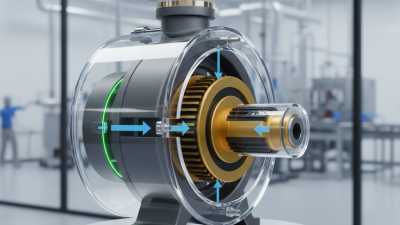
A rotary vane vacuum pump operates on a simple principle of rotating vanes. This mechanism allows for efficient air and gas removal. However, selecting the ideal model involves more than just understanding how it works. Factors like pump size, flow rate, and noise levels can greatly influence your experience.
Consider your primary application. Are you using it for laboratory work, woodwork, or automotive tasks? Each situation presents unique challenges. Users often overlook power consumption, which can lead to higher operational costs. Researching brands and reading user reviews can provide insights into reliability and performance. Making an informed choice requires careful reflection on your requirements and the alternatives available.
Understanding the Basics of Rotary Vane Vacuum Pumps
Rotary vane vacuum pumps are essential in many industries. Understanding their basics is crucial for effective selection and usage. Rotary vane technology operates through a set of vanes that slide in and out of a rotor. This creates vacuum conditions efficiently. According to industry reports, these pumps can achieve vacuums as deep as 1 mbar. This makes them suitable for tasks ranging from food packaging to laboratory applications.
When choosing a rotary vane pump, consider factors like airflow and ultimate pressure. Some models provide an airflow rate up to 300 liters per minute at atmospheric pressure. Users must assess their specific requirements. For instance, a pump used for solvent recovery may need different specifications compared to a pump for freeze-drying. It's important to note that higher performance often leads to greater costs. Evaluating your budget alongside functionalities is vital.
While rotary vane pumps have several advantages, they also come with challenges. Regular maintenance is essential to avoid performance issues. Users report that neglecting maintenance can lead to reduced efficiency and lifespan. It's beneficial to consult technical manuals or industry experts for assistance. By understanding the basic mechanics and practical applications, you can better match a pump to your needs. Always consider both the benefits and potential drawbacks before making a decision.
Key Factors to Consider When Selecting a Rotary Vane Vacuum Pump
Choosing the right rotary vane vacuum pump involves understanding key factors. Consider the pump's capacity first. Evaluate how much air volume you need to move. This measurement, commonly in liters per minute, can determine efficiency for your specific applications.
Another factor is the type of application. Different tasks require different levels of vacuum pressure. For delicate tasks, a pump capable of achieving a deep vacuum is essential. Analyze the materials you'll work with too. Certain materials may react negatively with specific pump oils or lubricants, affecting performance.
Meanwhile, remember that maintenance is crucial. Regular inspection and oil changes extend the pump's lifespan. Investing time in maintenance can save you from costly replacements later.
When assessing power supply options, consider where you'll use the pump. Some models require specific electrical configurations. Finding a fit within your environment is critical to ensure seamless operation.
A practical tip: always refer to product manuals for specifications and guidelines. Accurate understanding of your pump's requirements can lead to better performance. Don't overlook the importance of expert consultations if you're uncertain about your choice.
Comparing Different Types of Rotary Vane Vacuum Pumps
When selecting a rotary vane vacuum pump, understanding the different types is crucial. These pumps are generally classified based on their operational capacity and design. Some models offer high pumping speeds, while others focus on sustaining stability under varying conditions. Each type is suitable for specific applications, making it essential to match the pump with your requirements.
One common type is the oil-sealed rotary vane pump. This design ensures a consistent vacuum level but requires regular maintenance to check the oil levels and replace seals. While it provides efficient performance, users often face challenges with oil contamination. Another variant is the dry rotary vane pump. It operates without oil, which reduces the risk of contamination. However, they might be less efficient in achieving low pressures compared to their oil-sealed counterparts.
After reviewing these options, it's vital to reflect on your unique needs. Consider the application and environment where the pump will perform. Make sure to think about factors such as noise levels and energy consumption. This understanding helps in making informed decisions that align with your operational goals. Don't overlook the importance of reliable service and support from suppliers for continued efficiency.
How to Choose the Best Rotary Vane Vacuum Pump for Your Needs?
| Type |
Max Vacuum (inHg) |
Flow Rate (CFM) |
Motor Power (HP) |
Noise Level (dB) |
Weight (lbs) |
Price Range ($) |
| Rotary Vane A |
29.9 |
4.5 |
1.5 |
68 |
45 |
300-400 |
| Rotary Vane B |
28.5 |
6.0 |
2.0 |
72 |
50 |
400-500 |
| Rotary Vane C |
29.0 |
3.0 |
1.0 |
65 |
40 |
250-350 |
| Rotary Vane D |
27.5 |
5.5 |
2.5 |
75 |
55 |
450-600 |
Assessing Performance Ratings and Specifications
When choosing a rotary vane vacuum pump, performance ratings and specifications are crucial. Understanding these metrics helps in selecting a pump tailored to your needs. Key specifications include ultimate vacuum level, flow rate, and motor power. For instance, a report from the International Vacuum Technology Association indicates that a vacuum level of 1 x 10^-3 Torr is common for many industrial applications.
Another essential factor is the pump's flow rate, measured in liters per minute (L/min). Typical performance ratings show that pumps capable of 30 to 100 L/min serve well for laboratory or light industrial use. A mismatch in these ratings can lead to inefficient operation. Some may purchase a pump with a higher capacity than necessary, which can lead to energy wastage and higher operating costs.
It's also important to consider the pump’s noise level. Many rotary vane pumps operate around 60-70 dB. This can influence workplace conditions. Users need to reflect on how noise may affect productivity and overall comfort. Balancing performance ratings with specific application needs requires careful analysis and consideration of trade-offs.
Performance Comparison of Rotary Vane Vacuum Pumps
This chart displays the performance ratings of different rotary vane vacuum pumps based on their pumping speed (m³/h) and ultimate vacuum level (mbar). The data helps in selecting the right pump based on your specific needs.
Maintenance and Longevity Considerations for Rotary Vane Pumps
When selecting a rotary vane vacuum pump, maintenance is crucial. Regular upkeep can extend a pump’s life significantly. Research indicates that consistent maintenance can enhance operational efficiency by up to 25%. Simple tasks such as changing the oil regularly and monitoring the condition of the vanes can prevent costly downtime.
Operators should understand the significance of environment and usage. For instance, excessive dust or chemical exposure can accelerate wear. This underscores the importance of using proper filters and keeping the operating area clean. Additionally, checking for leaks is vital. Studies show that leaks can lead to energy losses of 20% or more, adversely affecting performance.
Longevity also ties closely with the selection of appropriate materials. Pumps made from high-quality components can endure harsher working conditions. Investing in better materials may incur higher upfront costs. However, long-term savings often justify these expenditures. Reflecting on these factors can lead to better decision-making when choosing a pump.