Why Choose a Rotary Pump for Your Industrial Applications?
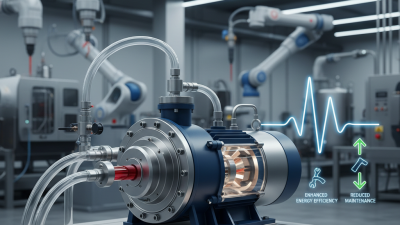
In industrial applications, choosing the right pump can significantly impact efficiency and productivity. A rotary pump stands out among various types of pumps for its unique advantages. This technology allows for a continuous flow of liquids, making it ideal for many operations.
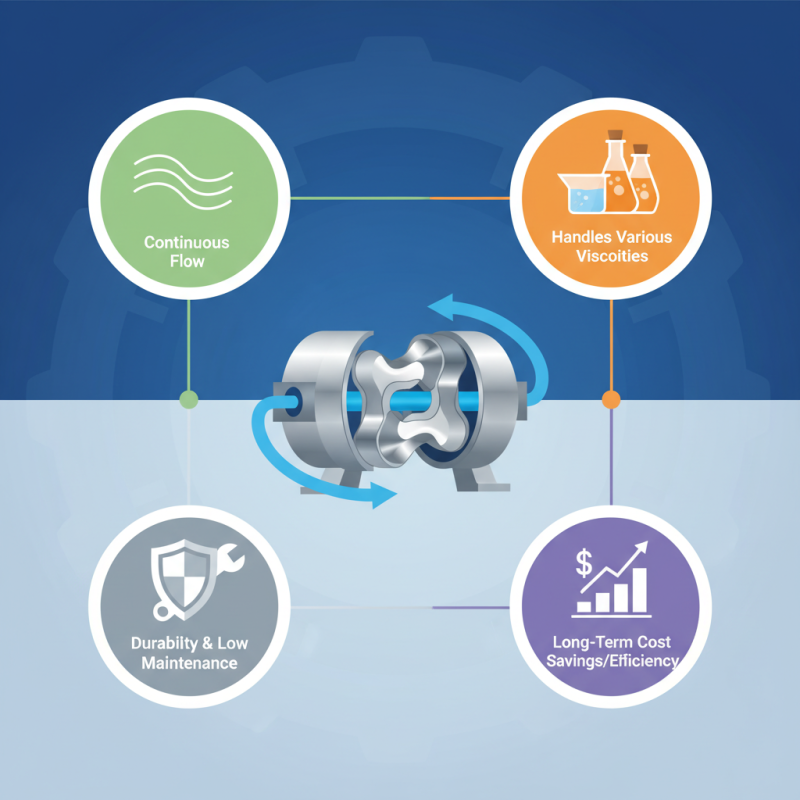
Rotary pumps offer precise control over flow rates. They can handle various viscosities, which makes them versatile in many situations. These pumps are also known for their durability, often requiring less maintenance than other options. However, they can sometimes be sensitive to viscosity changes. This can lead to complications if the wrong liquid is used.
Another factor to consider is the operational costs. While rotary pumps can have a higher initial price, their efficiency may lead to savings in the long run. Choosing a rotary pump means evaluating the specific needs of your application. It’s essential to reflect on how these features align with your operational goals.
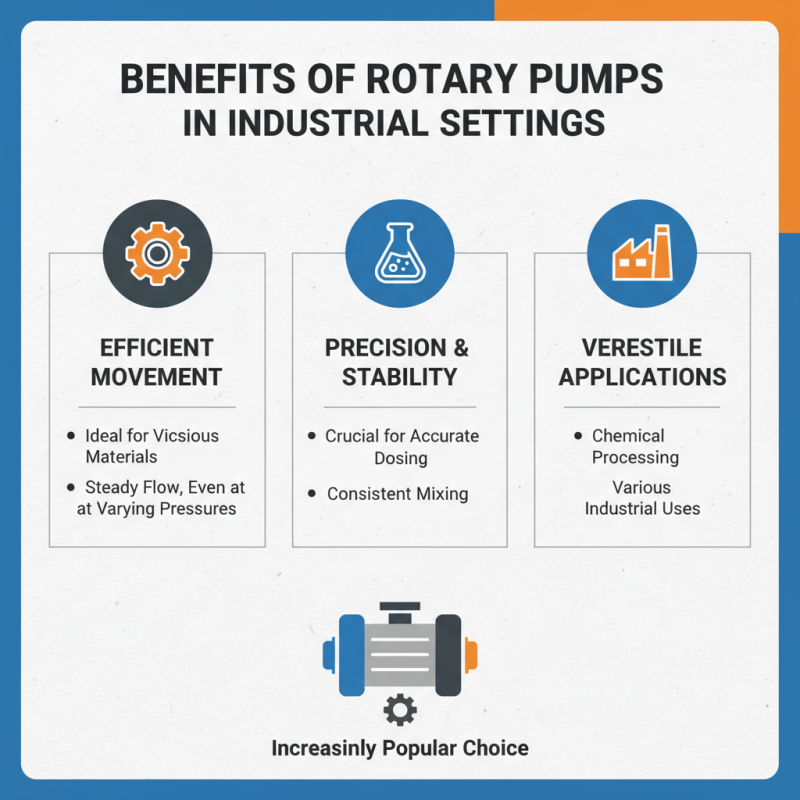
Benefits of Rotary Pumps in Industrial Settings
Rotary pumps are increasingly popular in various industrial applications. Their design enables efficient fluid movement, making them ideal for handling viscous materials. They provide a steady flow, even at varying pressures. This stability is vital in environments where precision is crucial. Often used in chemical processing, these pumps ensure accurate dosing and mixing.
One of the significant benefits is their versatility. Rotary pumps can handle a wide range of fluids, from oils to slurries. They are adaptable, which is a plus in dynamic industrial settings. However, it's worth noting that their maintenance can be demanding compared to other types. Regular checks and adjustments may be necessary to prevent issues.
Energy efficiency is another advantage. Rotary pumps often require less energy to operate, reducing operational costs over time. Yet, this efficiency can vary based on the specific application. In some cases, the initial installation costs may deter businesses from choosing rotary pumps. Balancing upfront expenses with long-term savings is crucial for decision-makers.
Understanding the Mechanism of Rotary Pumps
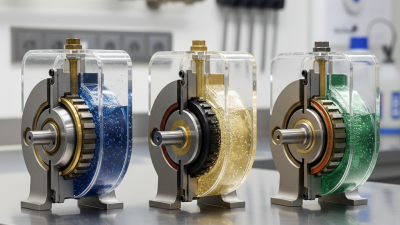
Rotary pumps operate using a simple yet effective mechanism. They rely on the rotation of internal elements to move liquids. These elements can include gears, vanes, or screws. The design ensures a continuous flow of fluids. In industrial settings, this uniformity is crucial for processes. The rotary action creates suction, drawing fluids into the pump. This creates a seamless transfer that is hard to achieve with other pump types.
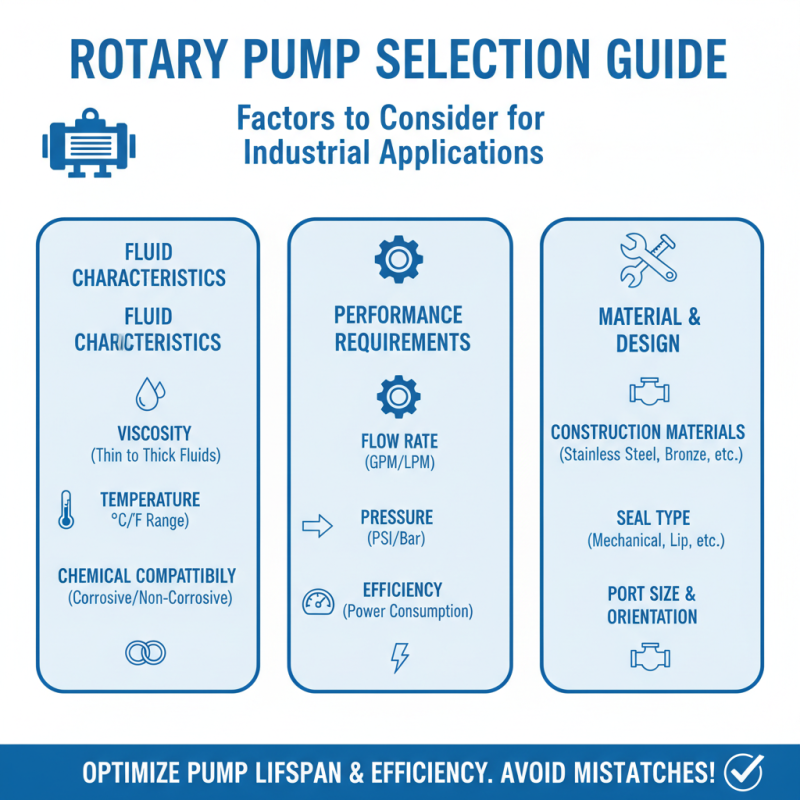
There are various operational features to consider. The viscosity of the liquid affects performance. High-viscosity fluids can challenge some rotary pumps. They may require adjustments or stronger models. Some users find it difficult to choose the right pump. Not all rotary pumps suit every application.
Failures can arise from improper selection, which can disrupt operations. It's essential to evaluate specific needs before investing.
Maintenance plays a crucial role in the longevity of rotary pumps. Regular checks on internal components prevent breakdowns. It’s easy to overlook these aspects during operation. Attention to detail can save time and money later. Proper lubrication and inspection of seals are vital. Neglect could lead to significant issues down the line. Understanding the nuances of rotary pump mechanisms will help users make informed decisions.
Common Applications of Rotary Pumps in Various Industries
Rotary pumps play a crucial role in various industries due to their efficiency and versatility. In the oil and gas sector, rotary pumps are essential for transferring viscous fluids. According to a report by Research and Markets, the global rotary pump market is expected to grow at a CAGR of 4.2% through 2025. This growth suggests increasing reliance on these pumps for effective fluid handling.
In the food and beverage industry, rotary pumps ensure the safe transport of products. Their ability to handle delicate liquids without damaging them is vital. This is particularly important for avoiding spoilage and contamination. However, not all rotary pumps can handle high viscosities. This limitation can lead to inefficiencies in production lines. Companies must evaluate pump specifications carefully.
Chemical manufacturing also benefits from rotary pumps. These pumps handle aggressive fluids, contributing to safer operations. The ability to maintain consistent flow rates is crucial. Yet, wear and tear can lead to failures if not monitored. Regular maintenance is essential, but this can be overlooked in fast-paced environments. Choosing the right pump based on specific application needs remains a challenge for many industries.
Why Choose a Rotary Pump for Your Industrial Applications? - Common Applications of Rotary Pumps in Various Industries
| Industry |
Common Applications |
Advantages of Rotary Pumps |
| Oil and Gas |
Transporting viscous fluids, crude oil, and chemicals |
High efficiency and handling of thick liquids |
| Food and Beverage |
Pumping sauces, pastes, and other thick food products |
Gentle handling and hygienic operation |
| Chemical Processing |
Moving corrosive or viscous chemicals |
Durability and ability to handle harsh materials |
| Pharmaceutical |
Dispensing liquids and active ingredients |
Precision and compliance with safety standards |
| Water Treatment |
Pumping chemicals for water purification |
Reliable and consistent flow rates |
Comparing Rotary Pumps with Other Pump Types for Industrial Use
Rotary pumps stand out in industrial applications for various reasons. They excel in handling thick fluids and slurries, which other pumps may struggle with. Their design allows for consistent flow, even under varying pressure conditions. This makes rotary pumps a preferred choice in many sectors, including food processing, chemical manufacturing, and oil handling.
When comparing rotary pumps to centrifugal pumps, the differences become clear. Centrifugal pumps generally work well with low-viscosity fluids. However, they can lose efficiency if the fluid is too thick or contains solids. Rotary pumps, in contrast, efficiently manage these challenging fluids, contributing to reduced downtime. Yet, rotary pumps are sometimes bulky and require more maintenance. Users need to weigh these factors carefully.
It’s also worth noting that energy consumption can vary. While rotary pumps are efficient, they may consume more power than other types in certain conditions. This discrepancy is significant for industries focused on reducing operating costs and improving sustainability. Balancing performance, cost, and maintenance is crucial when selecting the right pump type for specific needs.