What is a Box Packing Machine and How Does it Work?
In today’s fast-paced manufacturing landscape, a Box Packing Machine is essential for streamlining packaging processes. According to a report by Smithers Pira, the global market for packaging machinery is projected to reach $50 billion by 2025, highlighting its growing significance. Experts like John Roberts, a leading figure in automation solutions, emphasize, "The efficiency of a Box Packing Machine can drastically reduce labor costs and increase output."
Box Packing Machines innovate how products are packed, offering solutions that enhance speed and accuracy. They utilize advanced technology to automate the packing process, minimizing human error. As companies adopt these machines, they face challenges, such as the initial investment and integration with existing systems. While these machines offer numerous advantages, operators must be trained to optimize their functionality.
However, many organizations still grapple with choosing the right model for their needs. The landscape of box packing technology is broad and varied. Striking the right balance between automation and manual processes remains a critical concern for manufacturers today. As the industry evolves, understanding the nuances of Box Packing Machines will become vital for maintaining competitive advantage.
What is a Box Packing Machine?
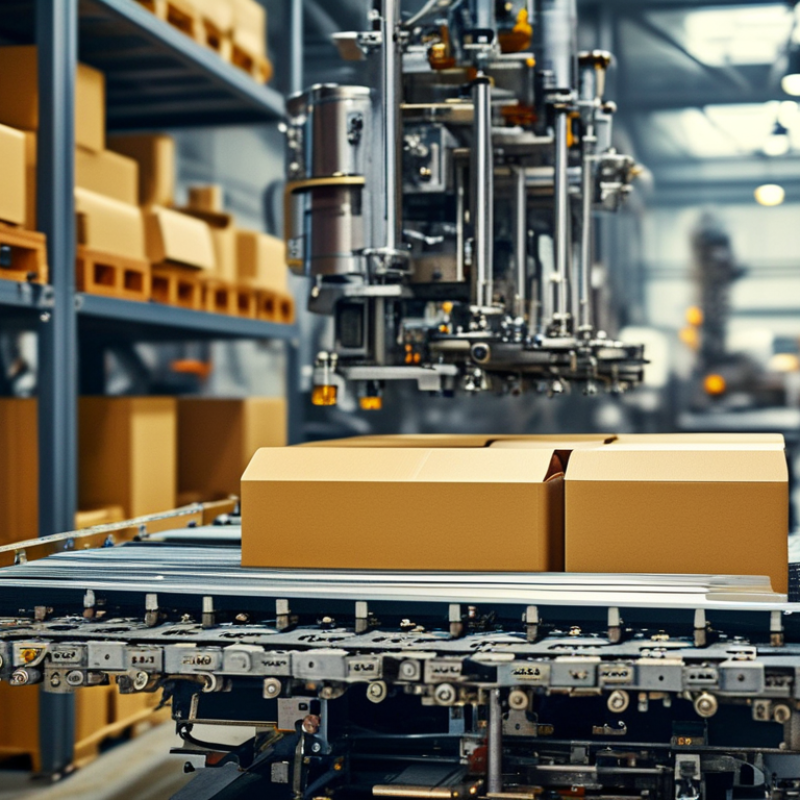
A box packing machine is an essential device in the packaging industry. It automates the process of packing goods into boxes, significantly improving efficiency. According to a recent report, the global packaging machinery market was valued at approximately $45 billion in 2022 and is projected to grow at a CAGR of about 4% over the next five years. This growth demonstrates the increasing reliance on packaging machines, particularly in sectors like food, pharmaceuticals, and electronics.
These machines operate by taking products from a conveyor belt, placing them in boxes, and sealing those boxes. They can handle various sizes and types of products with precision. For instance, a typical box packing machine can process up to 50 boxes per minute, depending on the model. This efficiency can alleviate labor costs but may raise concerns about job displacement.
Despite their advantages, companies face challenges. Machines require regular maintenance to prevent breakdowns, which can disrupt production. Additionally, initial investment costs can be substantial, making it difficult for smaller businesses to adopt this technology. Companies should carefully evaluate these factors before transitioning to automated packing solutions.
Components of a Box Packing Machine
Box packing machines are essential in modern packaging lines. They automate the process of packing products into boxes, which enhances efficiency. Understanding their components is crucial for businesses looking to optimize their operations.
Key components of a box packing machine include the feeding system, which brings products to the packing station. This system can either be belt-driven or gravity-fed. Additionally, the hopper stores products until they are ready for packing. The machine also features flaps that fold the box and sealing mechanisms, often using tape or glue. Research shows that utilizing automated systems can reduce labor costs by up to 30% and increase packing speed significantly.
Moreover, an important aspect to consider is the control panel. This component allows operators to adjust settings easily. Many machines today incorporate smart technology for real-time monitoring. However, reliance on technology poses challenges, such as breakdown risks and the need for skilled operators. Proper training minimizes these issues and maintains efficiency. Understanding these components helps businesses choose the right machinery and improve their packing processes.
How Box Packing Machines Operate
Box packing machines play a crucial role in modern packaging systems. They automate the process of packing products into boxes, enhancing efficiency and reducing labor costs. A study by Grand View Research reported that the global packaging machinery market is expected to grow significantly, reaching $50 billion by 2025. This growth reflects the increasing demand for packaging automation.
These machines operate by utilizing a series of mechanical components. They typically include conveyor belts, robotic arms, and sensors. The conveyor moves products to the packing station where they are oriented and placed into boxes. Robotic arms often seal or label the boxes once packed. In fact, around 75% of industries now rely on automation to enhance speed and precision, according to a report by Technavio.
Despite advancements, challenges remain. For instance, packing machines can face issues with product variability. This can lead to inefficiencies if the machines are not properly calibrated. Regular maintenance is essential to ensure optimal performance. Companies must also consider the initial investment in automation, which may be daunting. Yet, with a focus on long-term efficiency gains, the transition can prove beneficial.
Applications of Box Packing Machines in Industries
Box packing machines are vital in various industries. They automate the process of packing products into boxes, enhancing efficiency and reducing manual labor. Food and beverage sectors utilize these machines to package items ranging from snacks to beverages quickly. Pharmaceutical companies rely on them for precise packaging, ensuring compliance with safety standards. E-commerce businesses benefit significantly, as they require fast, reliable packaging solutions for shipping products.
Tips: Regular maintenance is crucial. Ensure that the machine functions smoothly. Check for any wear and tear, as neglecting this can lead to production halts.
Another area of application is the electronics industry. Here, box packing machines must handle fragile items with care. The design should minimize movement inside the box, preventing damage during transit. Ensuring the right fit is essential, requiring occasional adjustments to settings.
Tips: Train operators thoroughly. They should understand how to troubleshoot common issues. This can help keep the workflow uninterrupted.
In retail, efficient box packing enhances the customer experience. Attractive packaging can influence purchase decisions. Hence, collaboration between packaging design and machine operation is necessary. Naming the box's contents clearly can also improve inventory management.
Applications of Box Packing Machines in Various Industries
Benefits of Using Box Packing Machines in Packaging
Box packing machines play a crucial role in modern packaging processes. They significantly enhance efficiency and accuracy in numerous industries. Reports suggest that automating packing operations can boost productivity by up to 30%. This is essential in meeting consumer demand and reducing turnaround times. Using a box packing machine also minimizes manual errors, providing consistent quality in packaging.
The benefits extend beyond efficiency. These machines often result in cost savings. According to industry data, companies using automated box packing see a reduction in labor costs by around 20%. Additionally, automated packing can improve material usage, minimizing waste. Companies can optimize packaging dimensions and reduce excess materials, contributing to sustainability goals. However, transitioning to automation requires investment and training, which some businesses may find challenging. The initial costs can be daunting, but the long-term benefits often outweigh these hurdles.
Moreover, the integration of box packing machines can lead to safer work environments. Reducing manual labor decreases the risk of workplace injuries. Yet, it’s crucial to ensure that staff are trained properly. Employees need to understand how to operate these machines effectively. Without proper training, issues may arise, negating the advantages the machines offer.
What is a Box Packing Machine and How Does it Work? - Benefits of Using Box Packing Machines in Packaging
| Feature | Description | Benefits |
| Automation | Automates the process of packing products into boxes. | Increases efficiency and reduces labor costs. |
| Speed | Can pack products at high speeds compared to manual packing. | Reduces time for packaging, accelerating the supply chain. |
| Versatility | Suitable for various sizes and shapes of products. | Enhances operational flexibility to accommodate different products. |
| Quality Control | Ensures consistent box packing with minimal errors. | Reduces waste and improves overall quality of packaging. |
| Cost-Effective | Reduces need for manual labor and minimizes packaging material waste. | Lowers long-term operational costs. |