Best Electrical Sockets 2026 for Global Buyers
Electrical Sockets may look simple, but the wrong choice can leave a plug loose, block a neighboring outlet, or fail to suit local voltage and plug types. For global buyers, the details matter: socket configuration, rated voltage and current, grounding, shutter design, materials, and installation method. Electrical engineer Elena Ward offers a practical reminder: “A socket is only the right choice when its rating, design, and installation fit the equipment and the place it will be used.” Treat this as a buying principle, not a substitute for product documentation or qualified advice.
This guide to the Best Electrical Sockets 2026 compares options for homes, offices, and commercial projects. It considers everyday details, too: whether a bulky adapter hides the next outlet, whether a child-resistant shutter is included, and whether the terminal layout suits the installer. Small differences can matter. A polished faceplate tells you little about the quality of internal contacts.
There is no single best socket for every market. Standards, plug shapes, and installation practices vary by region, so buyers should check the manufacturer’s specifications and applicable local requirements before ordering. Compare certified product information, warranty terms, and replacement availability—not just price or appearance. Some listings leave key details unclear. That deserves a second look. Our overview aims to make those trade-offs easier to see, while recognizing that a product ranking cannot replace an on-site assessment or professional installation.
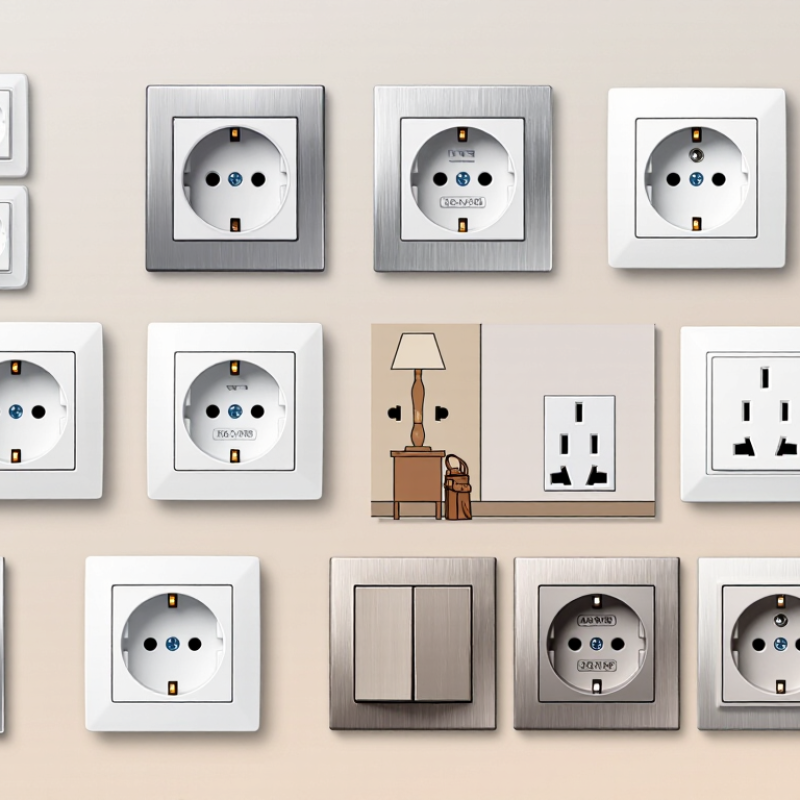
Electrical Socket Basics: Designs, Ratings, and Core Components
Electrical sockets look simple, but their designs serve different plug shapes, wiring systems, and environments. A familiar faceplate does not guarantee compatibility. Buyers should check the socket pattern, rated voltage, and rated current against the intended equipment and local supply. These details matter more than appearance.
Core components usually include the faceplate, contact mechanisms, insulated housing, and terminals for conductors. Grounding contacts provide a protective path where the electrical system supports one. Shutters can help block access to live contacts, while a suitable enclosure helps resist dust or moisture. Check the product markings and installation instructions; a high current rating alone does not confirm suitability for every use. Small details count.
Ratings need careful reading. Voltage and current describe different limits, and neither should be guessed from the socket’s size. Environmental ratings, such as an IP code, indicate protection under specified test conditions, not unlimited exposure. For global purchasing, compare applicable product standards and have a qualified electrician verify the installation requirements. A tidy outlet can still conceal unsuitable wiring. That is easy to miss. Faceplate color and finish may attract attention, yet safe compatibility depends on the less visible specifications.
Best Electrical Sockets 2026 for Global Buyers
Electrical Socket Basics: Typical Nominal Mains Voltage by Market
Values show common nominal supply voltages: Japan, 100 V; the United States and Canada, 120 V; and the European Union, United Kingdom, and Australia, 230 V. Local standards and installations can vary. Before selecting a socket or appliance, verify voltage, frequency, current rating, and plug compatibility.
Comparing Socket Features: Safety, Smart Controls, and USB Charging
For global buyers, a socket’s safety features matter more than a polished faceplate. Look for secure earthing, child-resistant shutters, and clear current and voltage ratings. Overload protection can help, but it does not replace correct wiring or a properly rated circuit. NFPA’s Electrical Fires report estimated that electrical distribution and lighting equipment were involved in about 34,000 U.S. home structure fires annually from 2015 to 2019. The report also recorded an annual average of 470 civilian deaths and 1,100 injuries. Not a small risk. Check that the socket’s approvals match the destination market, and have a qualified electrician confirm installation requirements.
Smart controls add convenience, but their value depends on the task. A wall switch or app can schedule a lamp, while energy monitoring may reveal a device drawing power overnight. Remote control is less useful if the socket loses Wi-Fi or needs an account to operate. USB charging needs equally careful comparison: USB-IF’s USB Power Delivery 3.1 specification allows power levels up to 240 watts, but built-in socket ports may deliver far less. Read the port’s output label, especially when charging laptops or multiple devices. A slower port can still suit a phone. I would not choose by port count alone; heat, charging speed, and serviceability are easy to overlook. Check local plug format, voltage, and frequency before buying.
How to Choose an Electrical Socket for Your Region and Application
Choosing an electrical socket starts with the destination, not the product photo. Plug shapes differ, but voltage and frequency matter just as much. A device marked 100–240 V may accept a wider supply range; a fixed-voltage appliance may not. Check its nameplate, then confirm the socket’s voltage, current rating, and earthing arrangement match the installation. Small print matters. Also check whether local requirements call for shutters, child-resistant features, or a specific mounting style. These details are easy to miss when comparing online listings.
The application changes the choice. A kitchen counter may need a socket suited to damp conditions and positioned away from splashes. A workshop tool can draw far more current than a bedside lamp. Match the socket rating to the circuit and expected load; a familiar plug shape does not guarantee compatibility. For outdoor or dusty areas, check the enclosure’s ingress-protection rating and installation instructions. An adapter can resolve a plug-shape mismatch, but it cannot fix unsuitable voltage, missing grounding, or an overloaded circuit. That distinction is easy to overlook. Wiring practices vary by region, so confirm local requirements with a qualified electrician before installation. Even a carefully selected socket may be unsuitable if the existing circuit is not.
Installation, Certification, and Safety Checks for Global Buyers
Electrical socket selection starts with the destination, not the product photo. Check the local voltage, frequency, plug type, and required current rating before ordering. A socket that fits the wall may still be unsuitable for the circuit. During installation, a qualified electrician should confirm conductor size, grounding, and secure terminal connections. Loose wiring can overheat behind a neat faceplate. Keep power isolated while work is underway.
Tips: Ask the supplier for current test reports and certification details for the exact model. Check that markings match the destination market’s requirements; a logo alone proves little. After installation, inspect for cracked covers, exposed copper, or a warm faceplate under normal use. Stop using the outlet if it smells burnt or feels unusually hot.
For damp areas, confirm the socket and protective device are rated for that location. Protection requirements vary by country and room, so verify them locally. Test residual-current protection using its test control as instructed. Do not rely on travel adapters for permanent installations. I have found that paperwork can be confusing, and I may miss a detail; verify uncertain ratings with the installer or an accredited testing body before purchase.