
231-941-0215 sale@namkeenmachine.com 2707 Aero Park Drive Traverse City, MI
Eng
  • Eng
  • Deu
  • Fra

7 Best Cloud Video Door Phones for Global Buyers?

Choosing a Cloud Video Door Phone is not simply a matter of picking the sharpest camera. Global buyers must weigh image quality, app reliability, installation needs, and ongoing cloud costs. A clear view of a visitor matters, especially at night or in a narrow entryway. So does hearing them without delay. Small details count: a door station exposed to heavy rain needs suitable weather protection, while a large home may need stronger Wi-Fi or wired networking. These practical factors can affect daily use more than a long feature list.

This guide compares seven options for different homes, buildings, and budgets. It considers video performance, remote answering, access control, storage choices, and compatibility with existing systems. No single model fits every property. A product popular in one region may have limited local support elsewhere, and network requirements can differ. Check the manufacturer’s specifications and confirm service availability before buying. Also review how recordings are stored and who can access them. Cloud features can be convenient, but they are not automatically the right choice for every household. Sometimes a simpler setup is better. That may be an inconvenient conclusion, but it is worth considering. With those trade-offs in view, buyers can compare the best options more carefully and choose a system suited to their actual entryway, connection, and support needs.
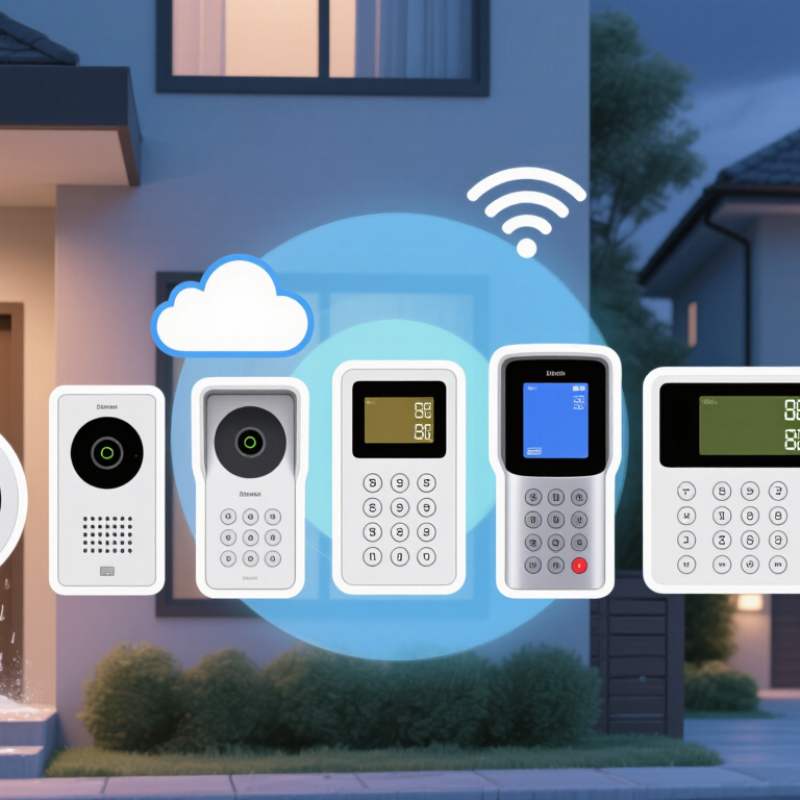
7 Best Cloud Video Door Phones for Global Buyers?

What Cloud Video Door Phones Are and How They Work

A cloud video door phone combines an outdoor camera, microphone, speaker, and doorbell with an indoor screen or phone app. When a visitor presses the button, the device captures audio and video, then sends them through the home router to a cloud service. The service relays an alert and live stream to the resident. The resident can talk back, and some systems can send an unlock command to a compatible door controller. Cloud storage may save clips, but it is not essential to live communication.

The ITU’s Facts and Figures 2024 report estimated that 5.5 billion people—68% of the world’s population—used the internet. About 2.6 billion remained offline. That gap matters: a cloud-dependent door phone may respond slowly or lose remote access when a connection is weak. A neat feature list can hide a messy reality. Check whether the model supports local operation, what happens during an outage, and how long recordings remain stored. “Cloud” does not automatically mean safer or more reliable. Look for clear encryption and data-retention details, and test the microphone from the actual porch; traffic noise can make a polished demo sound very different.

Key Features to Compare Across Global Markets

Global buyers should compare cloud video door phones against the conditions at each installation site. A sharp image matters, but so does clear speech when traffic, wind, or a shared hallway adds noise. Check whether the camera handles bright sunlight and dim entrances without losing faces. Small details matter. Ask how quickly live video opens on a typical home connection, and whether the system remains useful during brief network interruptions.

Connectivity varies widely between markets and buildings. Confirm support for the local Wi-Fi bands, available wiring, and the phone platforms residents actually use. Cloud plans deserve equal scrutiny: compare storage limits, clip retention, account access, and recurring fees. Review how recordings are protected and where they are stored, then check local data-handling requirements before installation. A low purchase price can hide ongoing costs.

Weather ratings, operating temperatures, and replacement-part availability can affect long-term reliability. Look for clear setup instructions and responsive support across time zones. Test it locally. A specification sheet may look convincing, yet a thick metal door or weak router can change the experience. I would not assume one model suits every market; a short site test often reveals inconvenient gaps before a full rollout.

7 Best Cloud Video Door Phones for Global Buyers: Key Features to Compare

Compare these seven practical buying criteria when evaluating video door phones across markets. Scores show editorial priority on a 1–10 scale, not measured ratings of specific products.

Check local Wi-Fi bands, electrical requirements, privacy rules, and weather-rating standards before purchasing.

Seven Cloud Video Door Phones for Different Buyer Needs

A useful cloud video door phone is not simply the one with the sharpest image. Buyers need to match the system to their building, network, and daily routines. MarketsandMarkets estimated the cloud video surveillance market at USD 2.4 billion in 2023, projecting USD 4.7 billion by 2028. That growth points to rising interest in remote access, but it does not guarantee reliable service in every location.

Seven options serve different needs: a basic Wi-Fi model for small homes; a wired unit for stable power; a multi-apartment panel for shared entrances; a wide-angle camera for narrow porches; a low-light model for dim corridors; a system with local storage for buyers limiting cloud use; and an accessible interface with clear audio for older residents. Check the details. A beautiful screen is less useful if visitors sound muffled or the app delays alerts.

For global buyers, test Wi-Fi coverage at the actual entrance, not beside the router. Ask how long recordings remain available, where data is stored, and what happens during an internet outage. Cloud access can simplify remote monitoring, yet subscription costs and network dependence may frustrate some households. No cloud is magic. I would compare night footage and two-way audio in person; specification sheets rarely reveal how a system handles rain, glare, or a hurried delivery.

Compatibility, Connectivity, and Regional Service Considerations

Choosing a cloud video door phone for another country means checking more than its camera resolution. Confirm that the indoor monitor, mobile app, and door station work together across the listed protocols and network requirements. A device limited to 2.4 GHz Wi-Fi may struggle in homes using different router settings. Check power needs, wiring, and whether the installation supports local voltage. Small details matter.

Cloud access also depends on service availability in the buyer’s region. Ask where recordings are stored, whether live video works reliably across time zones, and what happens if the internet drops. Review support hours, app languages, replacement-part access, and subscription terms before purchase. A clear specification sheet helps, but it cannot predict every router quirk. That limitation deserves attention.

Tips: Test the door phone on the intended network before permanent installation. Check signal strength at the entrance, not just beside the router. Save the regional support contact and confirm how to reset the device if cloud access fails.

How to Choose and Set Up the Right Door Phone

Choosing a cloud video door phone starts with the entrance, not the feature list. Measure the mounting space and check whether existing wiring can supply power. For a battery model, consider how often charging would be practical. A wide viewing angle can show parcels near the ground, but placement still matters. Stand where a visitor would stand and check for glare, steps, or a nearby wall blocking the camera. Small details count.

Next, test your network at the door, not beside the router. A weak signal can delay alerts or make live video unreliable. Check whether the device supports your home’s Wi-Fi frequency and whether its app works on your phone. Review cloud storage periods, subscription terms, account security options, and how recordings can be accessed or deleted. Features vary by region, so confirm availability before buying. No device is perfect.

During setup, follow the wiring diagram and switch off power before handling existing low-voltage cables. Mount the unit at a comfortable viewing height, then adjust its angle using a real visitor as a guide. Connect it to Wi-Fi, update its software, and test the doorbell, two-way audio, night view, and notifications. Try again from another room. I would leave time for this; setup instructions can be clear, yet a crowded hallway still creates surprises.

7 Best Cloud Video Door Phones for Global Buyers? — How to Choose and Set Up the Right Door Phone

System Type Best Fit Power & Wiring Network Requirements Cloud & Storage Considerations Setup Essentials Main Trade-Off
1. Battery-powered Wi-Fi door phone Renters or homes without convenient door wiring Rechargeable or replaceable battery; no low-voltage doorbell wiring may be needed Reliable Wi-Fi at the entrance; check the device’s supported Wi-Fi bands Cloud recording may require a paid plan; some models offer event clips rather than continuous recording Charge the battery, mount within Wi-Fi range, test motion detection, and set notification preferences Simple installation, but frequent activity, cold weather, and live viewing can increase battery use
2. Wired Wi-Fi door phone Homes with compatible existing low-voltage doorbell wiring Uses a wired power source; confirm the required voltage and transformer capacity before installation Wi-Fi coverage is still required for app access and cloud features Cloud storage, retention time, and subscription terms vary by model and service plan Verify wiring compatibility, switch off power before handling wiring, and test the chime and app alerts Avoids routine battery charging, but existing wiring is not automatically compatible
3. PoE IP video door phone New builds, renovations, and sites with structured network cabling One Ethernet cable can carry both network data and power when the device and network equipment support PoE Wired Ethernet connection to a compatible PoE switch or injector; internet access is needed for remote cloud functions May support cloud service, local network recording, or both; verify supported recording options Plan the cable route, confirm PoE compatibility and power budget, then configure network and user access Stable wired connectivity, but installing Ethernet can require more work than a wireless setup
4. Two-wire retrofit video door phone Replacing an older intercom where suitable two-wire cabling is already in place Can reuse existing conductors only when the system supports the cable type, distance, and required adapters Often connects to a network through an indoor unit, gateway, or compatible controller Cloud access depends on the system’s network gateway and service support Identify the existing cable and system layout; confirm compatibility before purchasing replacement equipment Can reduce new cabling, but compatibility is installation-specific and may require additional components
5. SIP-based IP door phone with cloud access Offices or properties using an IP phone or unified communications system Typically powered by a low-voltage supply or PoE, depending on the device Requires an IP network; SIP settings, firewall rules, and remote-access configuration may be needed Cloud management or remote calling may be available, but SIP calling alone does not guarantee cloud video storage Check SIP compatibility, configure extensions and call destinations, and test audio, video, and remote access Flexible integration, but setup is more technical than a typical consumer app-based system
6. Multi-tenant IP entry system Apartment buildings, shared entrances, and managed properties Usually uses wired power and network connections; indoor stations or resident devices may be required Plan network access for the entry panel, management equipment, and resident endpoints Confirm account administration, user permissions, event retention, and service continuity arrangements Map apartments and access permissions, coordinate with property management, and test calls for each unit Supports shared access workflows, but requires careful provisioning and ongoing administration
7. Cellular-connected video door phone Remote sites or entrances where fixed broadband or Wi-Fi is unavailable Power requirements vary; a cellular connection does not remove the need for reliable device power Requires supported cellular coverage and an active data plan; signal quality should be checked at the mounting point Cloud access uses mobile data; video use can consume substantial data, so review plan limits and recording settings Check local network-band support and coverage, activate the data service, and test calls and video at the door Can work without local broadband, but coverage, data charges, and service availability vary by location

How to choose: Start with the available power and wiring, then check network coverage, cloud subscription terms, recording options, local electrical requirements, and compatibility with existing chimes or intercom equipment. Device features and requirements vary by model, so verify the manufacturer’s installation documentation before purchase.