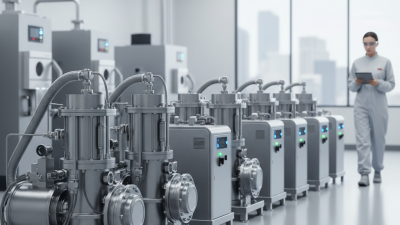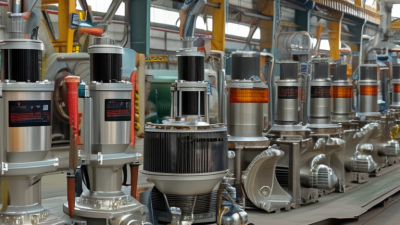
Choosing an industrial vacuum blower begins with understanding the process, not chasing the largest airflow rating. In a packaging line, powder-transfer system, or central cleaning network, the blower must create stable vacuum under real operating conditions. Dust, heat, moisture, long pipe runs, and frequent starts can change performance quickly. A unit that looks efficient on paper may struggle beside a warm production machine.
Dr. John F. O’Hanlon, a respected vacuum-technology author, offers a practical principle: “Vacuum performance begins with understanding the process, not merely selecting a pump.” That idea remains useful for industrial buyers. An industrial vacuum blower can deliver strong, continuous suction while supporting demanding duty cycles. Proper sizing may reduce energy waste, noise, maintenance visits, and unexpected downtime. It can also protect filters and downstream equipment when the system includes suitable separation and monitoring components.
The details matter.
Operators should compare pressure, airflow, motor efficiency, sound levels, service access, and control options. A regenerative blower may suit moderate vacuum applications, while a positive-displacement design may handle deeper pressure demands. Neither choice is automatically better. The honest answer depends on the material, distance, temperature, and working schedule.
There is also room for reflection. Many purchasing decisions focus on initial price, although installation and maintenance often cost more over time. Specifications can look impressive, yet field conditions remain less predictable. Careful testing, documented performance data, and advice from qualified engineers provide a more reliable path toward selecting the right industrial vacuum blower.
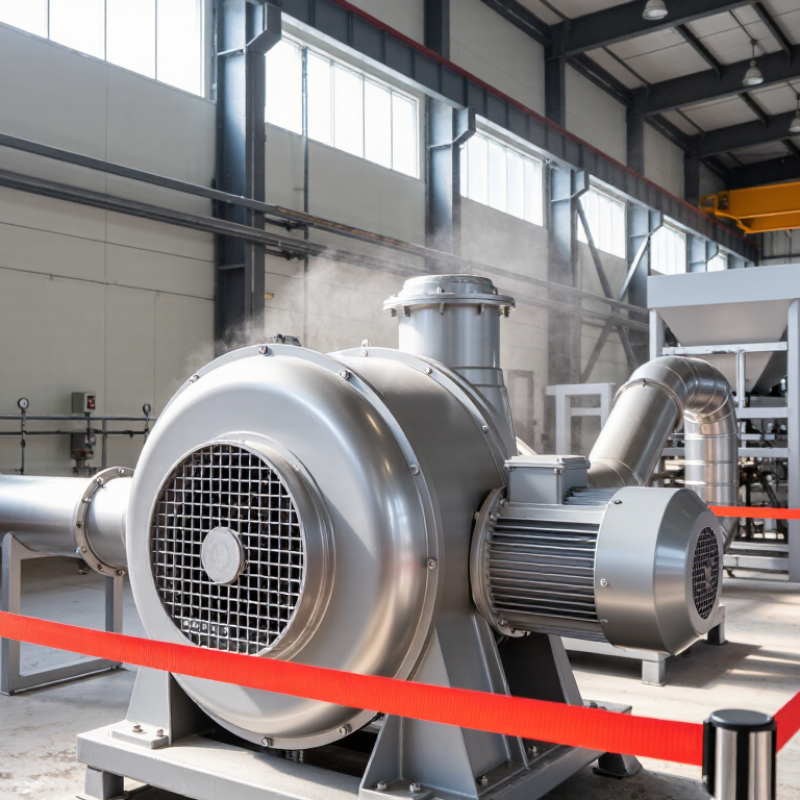
An industrial vacuum blower is a mechanical device that moves large volumes of air through a controlled system. It creates negative pressure on one side and pushes discharged air toward another point. This airflow can collect dust, move dry materials, or support vacuum lifting equipment.
The term “vacuum blower” can be confusing. A blower usually creates airflow and moderate vacuum pressure, while a dedicated vacuum pump may produce deeper vacuum levels. Positive displacement blowers use rotating elements to trap and move air. Centrifugal blowers use a spinning impeller to accelerate airflow. The correct choice depends on pressure, flow rate, operating time, and material conditions.
In factory applications, the blower connects with hoses, filters, separators, valves, and storage containers. During a site inspection, I would check air leakage around joints first. Small leaks can reduce performance and increase energy use. Filter resistance also matters, especially when fine powder covers the filter surface. A blocked filter may make the motor work harder.
Noise and heat deserve attention. These systems can run for long shifts, so ventilation and proper maintenance are essential. Operators should monitor unusual vibration, rising temperature, and changing airflow. The boundary between a blower and a vacuum pump is not always neat. That distinction can be missed, especially when equipment suppliers use different terms.
Why Choose an Industrial Vacuum Blower?
An industrial vacuum blower removes air by creating a controlled pressure difference. Inside, rotating lobes or an impeller accelerate air through the housing. The inlet pressure falls. Material then moves toward this lower-pressure zone. In a lobe design, timed rotors trap air and carry it toward the outlet. In a centrifugal design, an impeller adds velocity. The casing then converts velocity into pressure. The machine does not “suck” objects magically. It manages airflow, pressure, heat, and leakage.
The U.S. Department of Energy’s Improving Compressed Air System Performance sourcebook reports that leaks can waste 20–30% of compressor output. Vacuum systems face a similar efficiency risk. The International Energy Agency’s Energy Efficiency 2023 analysis places industry near 37% of global final energy use. That makes blower selection more than a capacity decision. Technicians should check vacuum level, airflow, filter resistance, pipe diameter, and motor efficiency. A neat calculation can still mislead. Dust loading changes real performance. So does a warm workshop.
Tips: Measure pressure at the pickup point. Inspect filters weekly. Listen for hissing. It matters. Use a relief valve and temperature sensor. During commissioning, record airflow and power together. If power rises while airflow falls, investigate the filter, seal, or piping. Oversizing is common. It may provide comfort, but it can increase energy use and control problems.
| Data Dimension | Typical Industrial Vacuum Blower Information | Why It Matters |
|---|---|---|
| Primary Function | Creates a continuous flow of air at negative pressure to collect, convey, or remove dust, chips, liquids, fumes, and process debris. | Supports reliable material removal in production, cleaning, conveying, and extraction systems. |
| How It Works | An electric motor rotates an impeller, lobe, or screw element. The moving air generates a pressure differential that produces vacuum at the inlet. | Understanding the airflow path helps engineers select suitable filtration, piping, valves, and controls. |
| Common Blower Technologies | Regenerative or side-channel blowers, rotary lobe blowers, rotary vane vacuum pumps, and screw vacuum pumps. | Each technology offers a different balance of vacuum level, airflow, duty cycle, noise, maintenance, and energy use. |
| Typical Airflow Range | Approximately 50–5,000 m³/h (30–2,940 CFM), depending on blower type, size, speed, and operating pressure. | Higher airflow is useful for large collection systems and conveying applications, while lower airflow can suit compact equipment. |
| Typical Vacuum Level | Approximately 10–90 kPa below atmospheric pressure (3–27 inHg), depending on the technology and system configuration. | The required vacuum level depends on hose length, elevation, material density, pickup distance, and process resistance. |
| Motor Power Range | Common industrial systems range from approximately 0.75–250 kW, with larger engineered systems available for specialized duties. | Correct motor sizing prevents insufficient suction, excessive energy consumption, and motor overload. |
| Operating Mode | Designed for intermittent or continuous-duty operation, provided that temperature, filtration, pressure, and cooling requirements are met. | Continuous-duty capability is important for automated production lines and centralized vacuum systems. |
| Filtration Requirements | Usually requires an inlet filter or separator; fine dust, liquid, oil mist, and combustible dust may require specialized protection. | Proper filtration protects the blower, maintains airflow, and reduces emissions into the work area. |
| Energy Efficiency | Efficiency varies with blower design and operating point. Variable-frequency drives can adjust motor speed to match demand. | Matching airflow and vacuum to actual demand can reduce throttling losses and operating costs. |
| Noise Considerations | Unattenuated equipment commonly produces approximately 65–85 dB(A), depending on technology, speed, installation, and load. | Silencers, acoustic enclosures, flexible connectors, and proper installation can help control workplace noise. |
| Maintenance Needs | Typical tasks include filter inspection, cleaning, belt or coupling checks, bearing inspection, leak testing, and temperature monitoring. | Preventive maintenance helps preserve performance and reduces unplanned downtime. |
| Typical Applications | Centralized industrial cleaning, CNC chip extraction, pneumatic conveying, packaging, food processing, wastewater aeration, paper handling, and material lifting. | A broad application range makes industrial vacuum blowers suitable for both standalone machines and integrated process systems. |
| Advantages Over Standard Shop Vacuums | Higher duty-cycle capability, greater airflow capacity, longer service life, centralized installation options, and compatibility with automated controls. | Better suited to demanding production environments where frequent or continuous material removal is required. |
| Selection Checklist | Define required airflow, vacuum level, material type, particle size, temperature, duty cycle, filtration, available power, noise limits, and hazardous-area requirements. | A complete specification reduces the risk of poor suction, premature wear, unsafe operation, and unnecessary energy use. |
Note: Performance values are representative industry ranges. Actual results vary according to blower technology, system resistance, altitude, temperature, filtration, and installation conditions.
Why Choose an Industrial Vacuum Blower?
Industrial vacuum blowers move air, vapors, or gases through demanding production systems. They support material handling, packaging, filtration, drying, and wastewater aeration. The correct type depends on pressure, airflow, temperature, and contamination levels. A powerful unit is not always the best choice.
The main types include positive displacement, regenerative, liquid ring, and rotary vane blowers. Positive displacement blowers deliver steady airflow at changing pressure. They suit pneumatic conveying and heavy-duty suction lines. Regenerative blowers are compact and quieter. They work well for moderate vacuum tasks, such as lifting sheets or operating small automation tools. Liquid ring blowers tolerate wet gases and vapor better than many dry designs. However, their operating liquid needs regular inspection. Rotary vane blowers can produce deeper vacuum levels. Their moving parts may require more maintenance, especially in dusty environments.
Tips: Check the real operating point, not only the maximum rating. Measure airflow and vacuum together. Install proper filters before the inlet. A blocked filter can make a reliable blower appear weak. I have seen systems oversized for short, clean duty cycles. They worked, but energy use was unnecessarily high. Noise, heat, and service access also deserve attention. Sometimes, the cheapest installation becomes the most expensive after months of neglected maintenance.
Main vacuum blower types compared by typical maximum vacuum capability
Industrial vacuum blowers are selected according to required vacuum level, airflow, duty cycle, contamination tolerance, and maintenance needs. The values below are representative engineering figures in kilopascals below atmospheric pressure; actual performance depends on the specific design and operating conditions.
Regenerative blowers are suitable for clean, continuous-duty applications with moderate vacuum. Rotary vane and dry screw blowers provide deeper vacuum for material handling, packaging, and process equipment, while liquid ring blowers are well suited to humid or vapor-laden gas streams.
Why use an industrial vacuum blower? In production areas, it creates steady negative pressure for material conveying, dust collection, packaging, and wastewater aeration. Unlike a small workshop vacuum, it is designed for long operating cycles and predictable airflow. Operators can move powders through sealed lines, capture debris near cutting tools, and reduce manual cleanup around conveyors. The benefit is practical: cleaner floors, fewer interruptions, and better control of airborne particles. Still, suction alone is not enough. Pipe diameter, filter loading, leakage, and moisture can change performance quickly.
Energy use deserves close attention. The U.S. Department of Energy’s Improving Motor and Drive System Performance report states that motor-driven systems consume roughly 60–70% of industrial electricity. A poorly selected blower can therefore become an expensive permanent load. The DOE’s Improving Compressed Air System Performance guide also reports that leaks may waste 20–30% of compressor output. Vacuum lines face similar losses, although the operating conditions differ. Measure them separately.
In field assessments, technicians should record vacuum pressure, airflow, duty cycle, filter resistance, and motor efficiency. A dry-running design may protect the process from oil contamination, but it can create more heat and noise. That trade-off is easy to overlook. Variable-speed control can reduce wasted energy during low-demand periods, yet frequent speed changes may complicate maintenance. The best choice follows measured demand, not a catalog rating. Oversizing feels safe. It often is not.
Choosing an industrial vacuum blower starts with the process, not the product. Define required vacuum pressure, airflow, duty cycle, and material load. A packaging line may need stable suction at high speed. A pneumatic conveying system may need stronger vacuum against pipeline resistance. These are different operating problems.
The U.S. Department of Energy reports that motor-driven equipment uses about 69% of industrial electricity in the United States. Efficiency deserves serious attention. Compare blower performance at your actual operating point, not only at maximum capacity. Check power consumption, noise, cooling needs, and service intervals. Oil-free designs can protect sensitive processes, but they may cost more initially. A slightly oversized blower may waste energy. An undersized unit may run continuously and overheat. Neither choice is ideal.
Tips: Record vacuum level and airflow during a normal production shift. Include filter loading and product temperature. Ask for performance curves, sound data, and maintenance requirements. ISO 1217 testing can help compare measured compressor and blower performance. Still, published figures may not reflect installation losses. Recheck the calculation. Small leaks, narrow hoses, and dirty filters can change the result. The best selection balances stable suction, energy use, reliability, and realistic maintenance access.