Choosing the right tank vacuum can feel surprisingly difficult for global buyers. Models may look similar, yet their performance can differ sharply in real working conditions. A cleaner for hotel corridors may not suit workshops, warehouses, or large homes. Tank size matters. So do hose length, filtration, noise level, wheel design, and drainage convenience.
This guide examines ten tank vacuums through practical buying criteria. We consider suction performance, wet-and-dry capability, motor durability, energy requirements, and accessory quality. We also examine voltage compatibility, plug standards, warranty support, and regional service access. These details can prevent costly mistakes after delivery. A powerful motor is useful, but it means little if replacement filters are unavailable locally.
There is no perfect choice. That deserves honesty. Some machines offer excellent capacity but feel bulky on stairs. Others are quiet and compact but require more frequent emptying. Product specifications can also appear impressive without explaining everyday handling. For this reason, the comparison focuses on usable evidence, manufacturer information, user feedback, and common maintenance needs. We avoid treating one feature as a universal advantage. Instead, the list helps buyers match each tank vacuum with their space, cleaning workload, budget, and local conditions. Please check current specifications before purchasing, because models and regional versions may change.
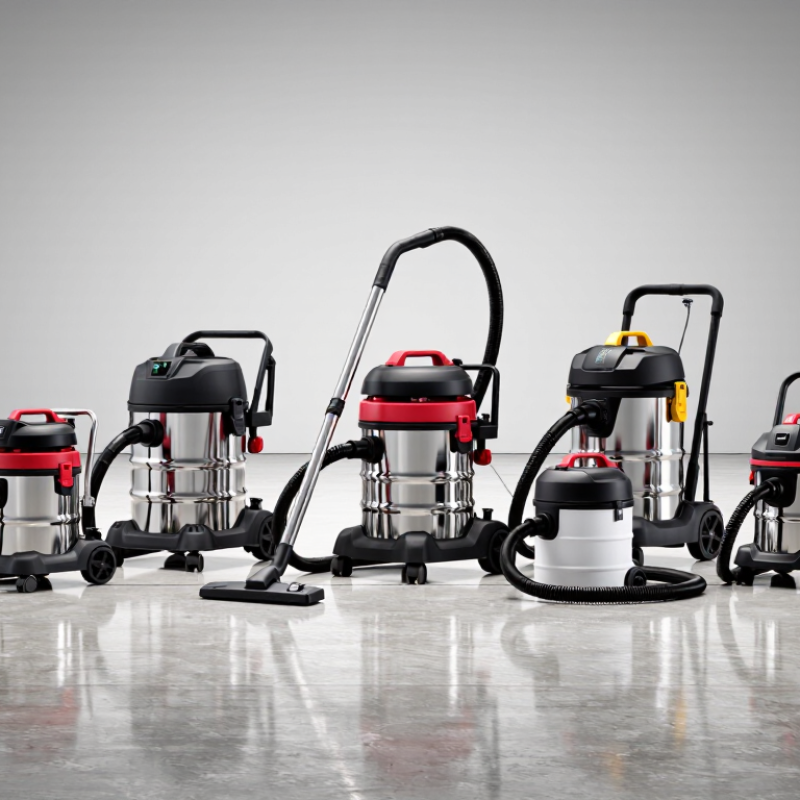
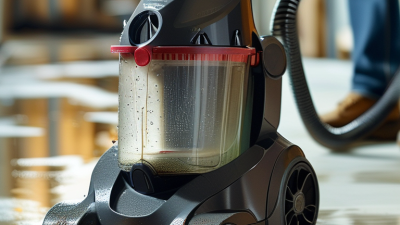
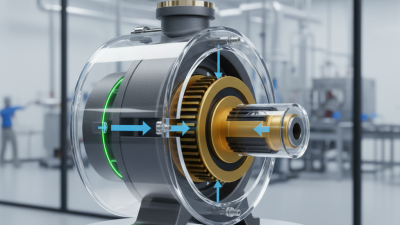
A tank vacuum is a canister-style cleaner with a separate body for the motor and collected waste. Its motor creates negative pressure inside the hose. Air enters through the nozzle, carrying dust, crumbs, and sometimes liquid. The airflow then moves into the collection tank. Heavier debris drops inside, while fine particles meet a filter before air leaves through the exhaust. The process is simple, but every seal affects performance.
For dry cleaning, the tank may hold a disposable bag or washable filter. Wet-capable models often use a float or shutoff valve to protect the motor. When liquid rises too high, the float blocks airflow and changes the sound. That sound matters. Stop the machine before opening the tank. A wet or clogged filter can restrict airflow, create odors, and weaken cleaning power. I have found that a strong motor feels surprisingly poor when maintenance is ignored.
Global buyers should check voltage, frequency, plug type, tank capacity, and filter availability. A large tank means fewer emptying breaks, but it adds weight on stairs. Long hoses improve reach, although poor seals may reduce airflow. Clear airflow ratings and overload protection are useful signs of professional design. Marketing figures can sound exact while hiding test conditions. That deserves scrutiny. Even careful buyers may choose an oversized vacuum for occasional spills, and I still question that trade-off.
A tank vacuum collects debris and liquid in a rigid container instead of a disposable dust bag. Air is drawn through the hose by a motor, while filters and separators protect the motor from dust and moisture. The chart compares common tank-capacity classes used for household, workshop, commercial, and industrial applications.
Capacity values are nominal reference points commonly used in wet-and-dry tank vacuum specifications. Larger tanks generally reduce emptying frequency but increase equipment size and weight; actual performance also depends on airflow, sealed suction, filtration, hose diameter, and duty cycle.
Tank vacuums differ by the cleaning problem they solve. Wet-and-dry models handle spilled water, dust, grit, and workshop debris. Their sealed tanks and float shutoff help prevent liquid from reaching the motor. I have found that a drain plug saves time after large spills. Small tanks fill quickly, though.
Carpet extractors spray cleaning solution and recover dirty water through a powerful suction head. They suit rugs, upholstery, and vehicle interiors. Choose adjustable water flow and removable recovery tanks. Excess moisture can damage delicate fabrics or create unpleasant odors. A slow cleaning pass often works better than repeated soaking.
Industrial tank vacuums serve factories, warehouses, and construction areas. Models with fine-particle filters can capture cement dust, wood particles, and other dry debris. HEPA filtration is useful where very small particles require stronger containment. However, filters need correct installation and regular inspection. A blocked filter reduces airflow sharply.
For fireplaces and furnaces, ash-specific vacuums use heat-resistant parts and fine filtration. Only fully cooled ash should enter the tank. Never treat a general wet-and-dry vacuum as an ash vacuum. Buyers should also check voltage, plug design, tank capacity, noise levels, replacement filters, and local safety certifications. These details seem minor until maintenance becomes difficult. No single tank vacuum fits every cleaning task.
Choosing among the 10 best tank vacuums for global buyers requires more than checking suction power. A 2024 Grand View Research report estimated the global vacuum cleaner market at over USD 13 billion, showing strong demand across homes, offices, and workshops. Buyers should compare tank capacity, airflow, filtration, cable length, and noise levels. A 15-liter tank may suit large floors, but it can become awkward on narrow staircases. Smaller tanks often improve handling.
Electrical compatibility is equally important. Check voltage, frequency, plug type, and motor protection before importing a vacuum. A machine designed for 220–240 volts may fail on a 110–120-volt supply. Independent safety certification, clear manuals, and replaceable filters also support safer ownership. HEPA filtration can help capture fine particles, but performance depends on proper sealing and regular maintenance. The label alone is not enough.
Tips: Compare tested noise data, not advertising claims. Look for published airflow or suction measurements. Confirm spare-part availability in your country. Review warranty terms carefully, especially for cross-border purchases. A long warranty sounds useful, yet overseas repairs may cost more than expected. I still find that portability is underestimated. A heavy tank vacuum may clean quickly, but users often avoid moving it. The best choice is not always the strongest model; it is the one that fits local power, flooring, storage, and service conditions.
Choosing among the 10 best tank vacuums for global buyers starts with the job, not the advertised wattage. A 20-liter tank suits apartments and small workshops. Larger 40–60-liter tanks reduce emptying during renovation cleanup. They also become heavy quickly. A practical test is simple: fill the tank with clean water, then check whether one person can move it safely. Motor power matters, but airflow and sealed suction describe performance better. High wattage alone can mislead. Check voltage, frequency, thermal protection, and the availability of replacement filters in your country.
Filtration deserves careful attention. The U.S. Environmental Protection Agency reports that indoor pollutant levels can be two to five times higher than outdoor levels. Fine dust therefore needs more than a basic cloth filter. A certified HEPA filter can capture 99.97% of particles at 0.3 microns, according to EPA guidance. However, sealing matters. Dust can escape around the filter or hose. NIOSH research also links poor dust control with increased workplace exposure, so automatic filter cleaning is useful during long sessions. Mobility is often underestimated. Wide rear wheels, locking front casters, a long hose, and a low center of gravity improve control over thresholds. I prefer a slightly smaller tank that turns easily. Bigger is not always better. In practice, wheels may fail before the motor, especially on rough floors, so inspect axle strength, hose storage, and spare-part access before buying.
Buying a tank vacuum for global use requires more than comparing suction power. I have found that safety features often matter more during daily work. Choose a model with stable wheels, secure tank latches, thermal protection, and a properly grounded power cable. Wet and dry functions must be clearly separated. A simple warning label can prevent an expensive mistake.
Maintenance affects performance over time. Check whether filters, seals, hoses, and brushes are easy to remove without special tools. Fine dust can block airflow quickly, especially in workshops and warehouses. Empty the tank before it becomes heavy or unstable. Inspect the cable for cuts. Small faults grow fast. I once underestimated filter cleaning, and the machine became noticeably weaker within a week.
Shipping creates another layer of risk for international buyers. Confirm voltage, frequency, plug type, package dimensions, and replacement-part availability before ordering. A compact vacuum may still need strong protective packaging around its tank and motor. Ask for clear manuals and export documents. Delivery delays can make a low purchase price less attractive. The real value includes energy use, service access, filter costs, warranty conditions, and expected working life. A cheaper unit may be sensible for occasional cleaning, but demanding sites need stronger construction and easier maintenance. The best choice depends on local power standards, workload, storage space, and the discipline of the cleaning team.
| Rank | Recommended Configuration | Typical Tank Capacity | Typical Power and Airflow | Filtration and Wet/Dry Capability | Safety Features to Require | Maintenance Profile | Packed Shipping Profile | Best Use Case | Indicative Value Level |
|---|---|---|---|---|---|---|---|---|---|
| 1 | Mid-size stainless-steel wet/dry tank vacuum Best overall | 30–40 L | 1,200–1,500 W; approximately 55–70 L/s airflow | Washable cartridge filter; foam sleeve or wet-use filter; suitable for liquid pickup and dry debris | Float shut-off, grounded cable, thermal overload protection, and a tip-resistant base | Empty the tank after wet use, rinse and dry filters, and inspect the hose and seals regularly | Approximately 14–20 kg packed; medium carton; generally suitable for pallet or parcel freight | Workshops, garages, light construction, and general commercial cleaning | High value for mixed applications |
| 2 | Compact polypropylene wet/dry tank vacuum Best for shipping | 12–20 L | 900–1,200 W; approximately 35–55 L/s airflow | Reusable cartridge filter; separate foam filter recommended for liquids | Float shut-off, double-insulated construction where permitted, and cable strain relief | Low routine maintenance; plastic tanks resist corrosion but should be checked for cracks | Approximately 7–12 kg packed; compact carton; favorable for international parcel shipping | Small workshops, vehicles, apartments, and maintenance teams with limited storage | Excellent cost-to-shipping ratio |
| 3 | High-capacity stainless-steel tank vacuum Best for heavy duty | 55–80 L | 1,500–2,200 W; approximately 65–85 L/s airflow | Large pleated cartridge filter; wet pickup supported; optional fine-dust filtration | Float shut-off, wide wheelbase, thermal protection, and a stable push handle | More frequent tank emptying is avoided, but filters, wheels, and drain seals require regular inspection | Approximately 20–32 kg packed; bulky carton; freight or pallet shipping is usually more practical | Industrial floors, flood recovery, renovation, and high-volume debris collection | Strong long-term value where capacity matters |
| 4 | Commercial two-motor tank vacuum Best for continuous cleaning | 60–80 L | 2,000–2,800 W total; approximately 80–110 L/s airflow | Large serviceable filter system; wet/dry operation; optional dust bags or pre-separators | Independent motor protection, float shut-off, overload control, and strong earthing arrangements | Requires filter cleaning, motor-intake inspection, and periodic replacement of gaskets and carbon brushes where applicable | Approximately 28–42 kg packed; large carton; higher dimensional-weight shipping cost | Hotels, facilities management, workshops, and professional cleaning contractors | Higher purchase and freight cost, but good productivity |
| 5 | Fine-dust tank vacuum with high-efficiency filtration Best for dust control | 25–40 L | 1,200–1,500 W; approximately 50–70 L/s airflow | High-efficiency pleated filter, sealed filter housing, and compatible disposable dust bags; wet pickup only when the filter system permits it | Filter-clog indicator, automatic shut-off, grounded or double-insulated design, and sealed hose connections | Filters must be cleaned or replaced on schedule; do not use a wet filter for dry fine dust | Approximately 13–21 kg packed; medium carton; moderate international shipping burden | Concrete dust, woodworking debris, plaster residue, and renovation work | Good value when worker and equipment protection are priorities |
| 6 | Drain-equipped stainless-steel tank vacuum Best for liquid recovery | 40–60 L | 1,300–1,800 W; approximately 60–80 L/s airflow | Foam wet filter, washable dry filter, and bottom drain or discharge hose | Float shut-off, liquid-resistant electrical controls, stable casters, and a visible maximum-fill mark | Drain and rinse after use; dry the tank and check the drain valve to prevent odor and leakage | Approximately 18–28 kg packed; medium-to-large carton; suitable for freight or reinforced parcel handling | Water extraction, plumbing maintenance, kitchens, and service areas | Very good value for frequent liquid pickup |
| 7 | Low-noise commercial tank vacuum Best for occupied spaces | 25–40 L | 1,000–1,400 W; approximately 45–65 L/s airflow | Multi-stage filtration with acoustic insulation; usually supports both wet and dry cleaning | Thermal cut-out, insulated motor housing, float shut-off, and vibration-reducing wheels | Similar to standard wet/dry units, with additional inspection of acoustic panels and motor ventilation paths | Approximately 14–22 kg packed; medium carton; reasonable for cross-border shipment | Offices, schools, hotels, hospitals, and retail areas during operating hours | Higher upfront cost justified by lower noise exposure |
| 8 | Portable backpack-style commercial vacuum Best for mobility | 5–10 L debris container | 700–1,200 W corded models; battery versions commonly use replaceable battery packs | Dry-use filtration; some models accept fine-dust filters; generally not designed for liquid pickup | Thermal protection, secure shoulder support, cable or battery protection, and low-voltage battery management where applicable | Frequent filter cleaning and harness inspection; battery versions require controlled storage and charging | Approximately 6–12 kg packed without extra batteries; compact carton; highly shipping-friendly | Stairs, public transport, aircraft cabins, narrow aisles, and rapid spot cleaning | Good value where portability reduces labor time |
| 9 | Battery-powered compact tank vacuum Best where power access is limited | 10–20 L | Battery system typically 18–36 V; runtime often 20–60 minutes depending on load and battery size | Dry debris filtration; selected units support limited liquid pickup with a dedicated wet filter | Battery overcurrent protection, thermal monitoring, secure battery latch, and a charger certified for the destination market | Charge batteries in a dry ventilated area; clean filters often because restricted airflow reduces runtime | Approximately 8–15 kg packed without spare batteries; battery transport rules may apply | Remote maintenance, vehicle interiors, small sites, and locations without convenient mains power | Higher operating cost if spare batteries are required |
| 10 | Entry-level compact wet/dry tank vacuum Best budget choice | 10–20 L | 800–1,200 W; approximately 30–50 L/s airflow | Basic cartridge filter and foam wet filter; suitable for light debris and occasional liquid pickup | Float shut-off, thermal cut-out, secure lid clamps, and a compliant plug and cable for the destination country | Simple maintenance; inspect the filter, hose, wheels, and lid seal before each demanding job | Approximately 6–11 kg packed; small carton; generally the lowest freight cost | Household workshops, small retailers, vehicle cleaning, and occasional maintenance | Lowest total entry cost |